Medical Science Liaisons
SmartWinnr for Medical Science Liaisons
Every KOL conversation asks for scientific precision and a clear narrative at the same time. SmartWinnr gives you a place to prepare both before the call happens.
What Does an MSL Need From a Enablement Platform?
A Medical Science Liaison needs a way to practice a real scientific exchange, sharpen data fluency on a specific therapeutic area, and prepare for the kind of detailed, unscripted questions a KOL is likely to ask, well before that conversation happens. This is a scientific engagement need, distinct from sales training, since an MSL role is non-promotional by design.
A Day in This Role
MSLs' day includes preparing for a specific KOL meeting, congress, or advisory board, often around a narrow and fast-moving area of clinical data. They field detailed, unscripted questions on mechanism, trial design, or data interpretation that require precision, not a rehearsed answer.
They stay current as new data, publications, or indications emerge, sometimes with very little lead time. They balance a scientific, non-promotional posture with the need to build a genuine, trust-based relationship with the KOL across many conversations over time.
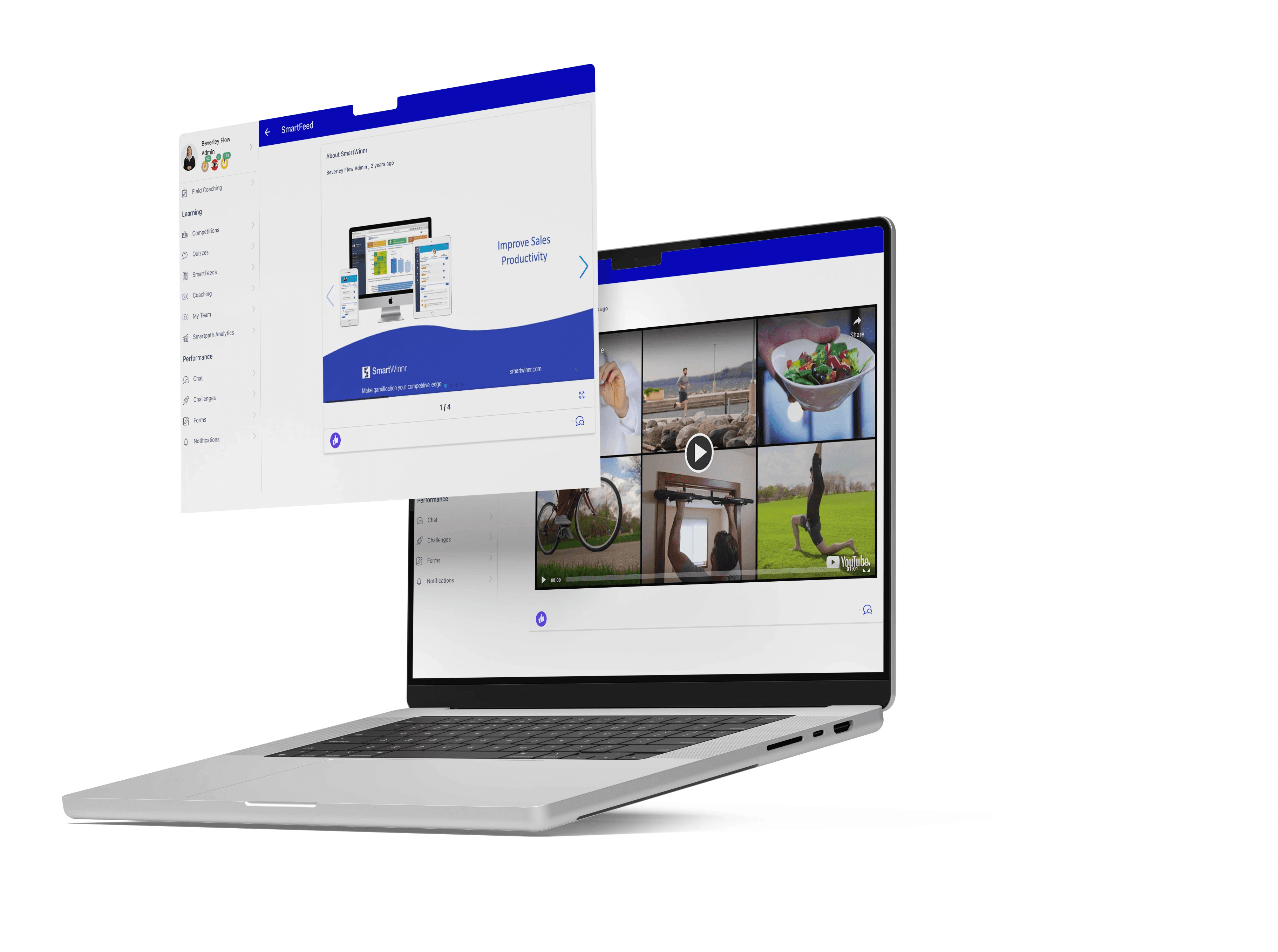
What SmartWinnr Gives You


Use Cases
1
MSL and Medical Affairs Scientific Narrative Training
Practice building and delivering scientific narrative for a KOL conversation.
2
New Indication Launch Readiness
Prepare for the scientific conversations that come with a new indication.
3
Customer and HCP Segmentation Training
Tailor scientific narrative to the specific KOL or institution you are meeting.

Industries Best Suited for
Pharmaceuticals: MSLs sit inside pharma's medical affairs function, distinct from the commercial sales organization.
Medical Devices: The Clinical Specialist or Field Clinical Engineer plays a closely related, non-commercial support role.
Impact
85%
85% Higher confidence
Live scientific conversations
3x
Better interaction quality
Following practice
























What leaders usually ask us.
What should an MSL look for in a scientific engagement practice tool?
Look for a tool that supports two-way scientific dialogue rather than one-way content review, since the value of MSL preparation comes from handling unscripted follow-up questions well. It should score accuracy and clarity against your organization's own approved scientific content, not a generic script. It should also stay current quickly as new data or publications emerge.
How is this different from sales roleplay training?
This practice is built around scientific exchange and data fluency, not persuasion or a sales objective, reflecting the non-promotional nature of the MSL role. The AI persona is designed to probe on mechanism, trial design, and data interpretation rather than raise commercial objections. Scoring reflects scientific accuracy and clarity, not sales metrics.
Can practice sessions be built around a specific therapeutic area or KOL type?
Yes. Scenarios, personas, and the underlying scientific content are configurable, so practice can reflect a specific therapeutic area, indication, or the kind of questioning style a particular KOL type tends to use. Medical affairs teams typically define these scenarios and load the approved scientific content themselves. This keeps practice specific rather than generic.
How quickly can new data or a new indication be reflected in practice scenarios?
Since scenarios draw on the scientific content your medical affairs team uploads, a new publication, dataset, or indication can be reflected as soon as updated content is loaded. SmartFeeds can also push a short update alongside the new content. This is designed to support a role where new data can appear on a fast, unpredictable timeline.
Does this tool support a non-promotional, scientific-only interaction style?
Yes. The MSL adaptation of this platform is built specifically to avoid promotional or sales framing, reflecting the compliance boundaries that separate medical affairs from commercial teams. Practice scenarios, scoring, and content are all configured around scientific accuracy rather than persuasion. This keeps the tool aligned with how MSL teams are structured to operate.
How is scientific accuracy verified in a practice session?
Sessions are scored against your organization's own approved scientific content and data, uploaded by your medical affairs team, rather than against an external or generic knowledge base. This keeps scoring grounded in what your organization has already reviewed and approved. Detailed feedback after each session shows where a response diverged from the approved data.
Is this suited to a Clinical Specialist in medical devices as well as an MSL?
Yes. Clinical Specialists and Field Clinical Engineers play a closely related, non-commercial role supporting surgeons with technical and scientific detail, and the same scientific-exchange practice model applies. Scenarios would reflect device mechanism, safety protocol, and procedural detail rather than pharmaceutical data. The underlying practice and scoring approach carries over directly.