
Smart AI Blog Summary
Get a quick blog summary from any of the below LLM's
What You'll Learn
Most pharma sales training programs are well designed on paper. The content is accurate, the sessions are structured, and the facilitators are experienced. And yet, reps still walk into HCP conversations underprepared.
The gap is not knowledge. It is practice.
AI roleplay simulations are changing how pharma sales leaders approach this problem. Rather than waiting for a quarterly workshop or a manager ride-along, reps can now rehearse realistic HCP conversations on demand, receive immediate feedback, and build the kind of field confidence that only comes from repetition.
This guide covers how pharma sales leaders are using AI roleplay simulations to build team readiness, what good implementation looks like, and how to make it work across a large, distributed field force.
Why Pharma Sales Training Demands More Than a Strong Knowledge Foundation
Pharma sales training has always faced a structural tension. Reps need deep product knowledge, compliance fluency, and the conversational confidence to handle a specialist physician's clinical questions, all within a two-minute interaction at the end of a busy clinic day.
Traditional training builds exactly the kind of foundation a pharma field team need.
The product detail, the clinical context, the compliance guardrails. That foundation matters and it is the right starting point.
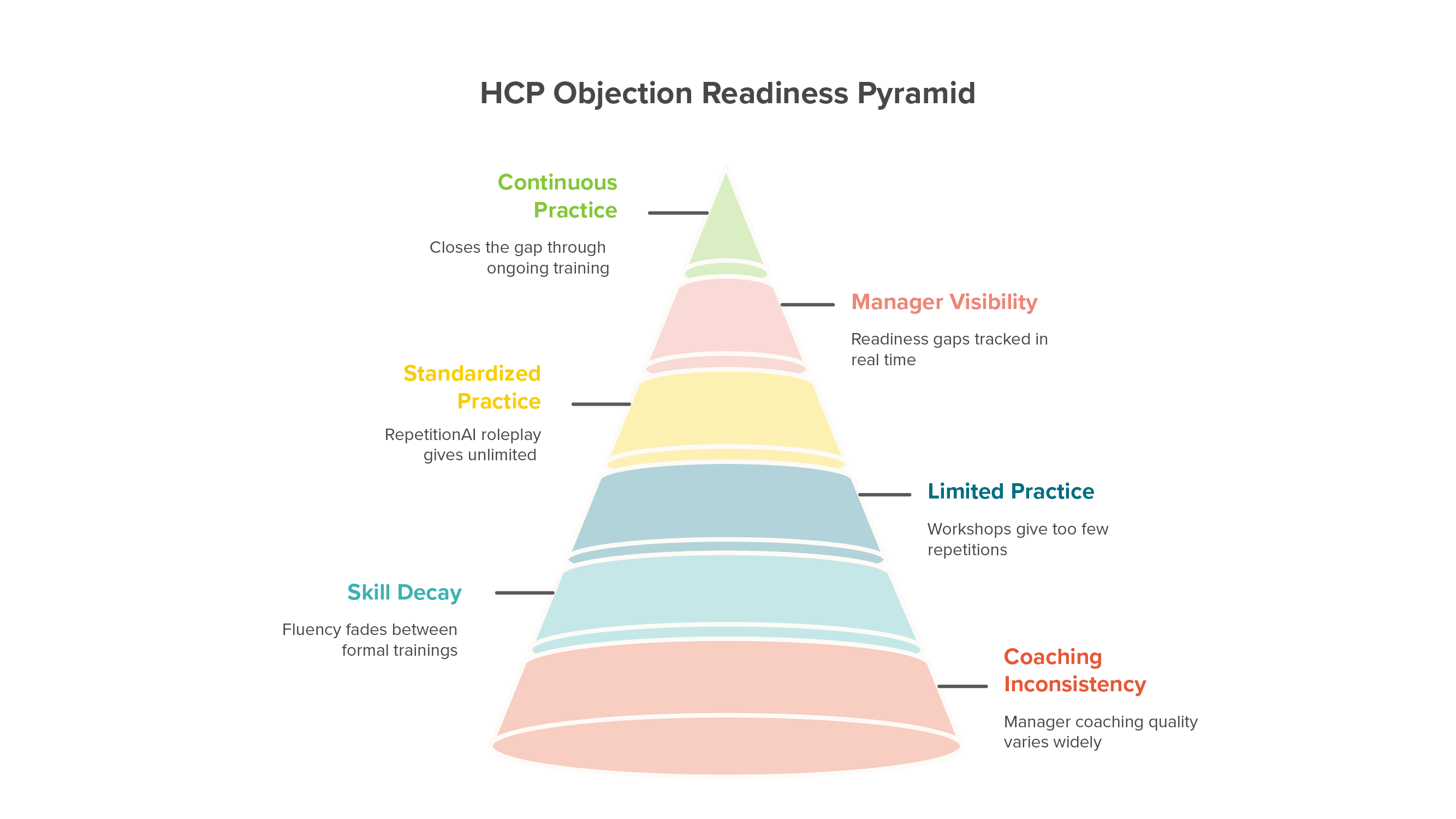
The question is whether a half-day workshop every quarter, paired with occasional manager-led roleplay, gives reps enough practice to perform confidently when a specialist physician pushes back in real time.
For most teams, the honest answer is that there is more value to unlock through structured, repeatable practice.
In pharma, that readiness opportunity carries additional weight. A rep who walks into a clinical conversation fully prepared protects the HCP relationship, reinforces compliance confidence, and makes the most of a product launch window that represents significant organizational investment.
What AI Roleplay Simulations Actually Do
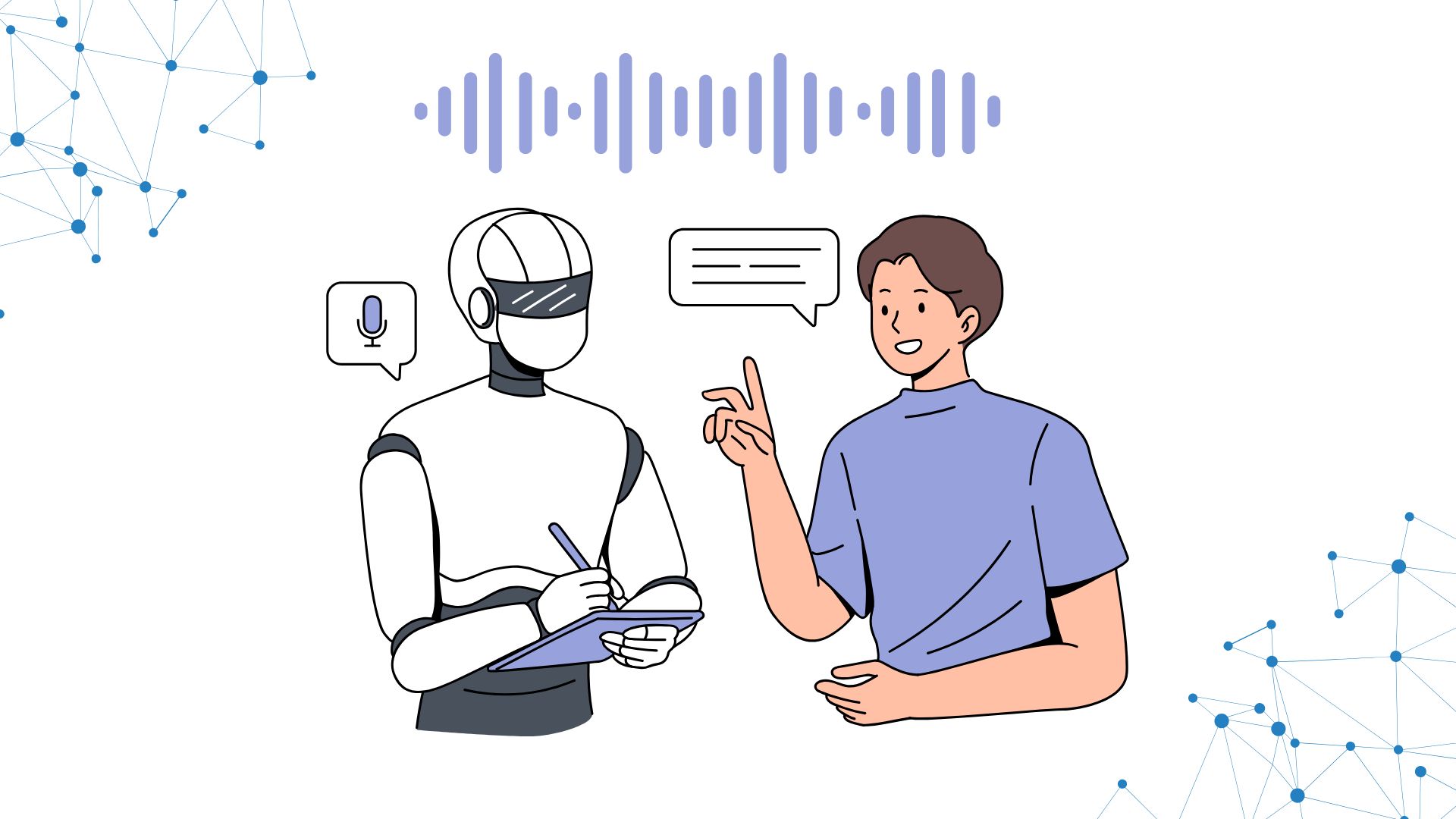
AI roleplay simulations are not digital quizzes or e-learning modules with a conversational wrapper. They are dynamic practice environments where a rep engages in a real-time, unscripted conversation with an AI persona that responds the way an actual HCP would.
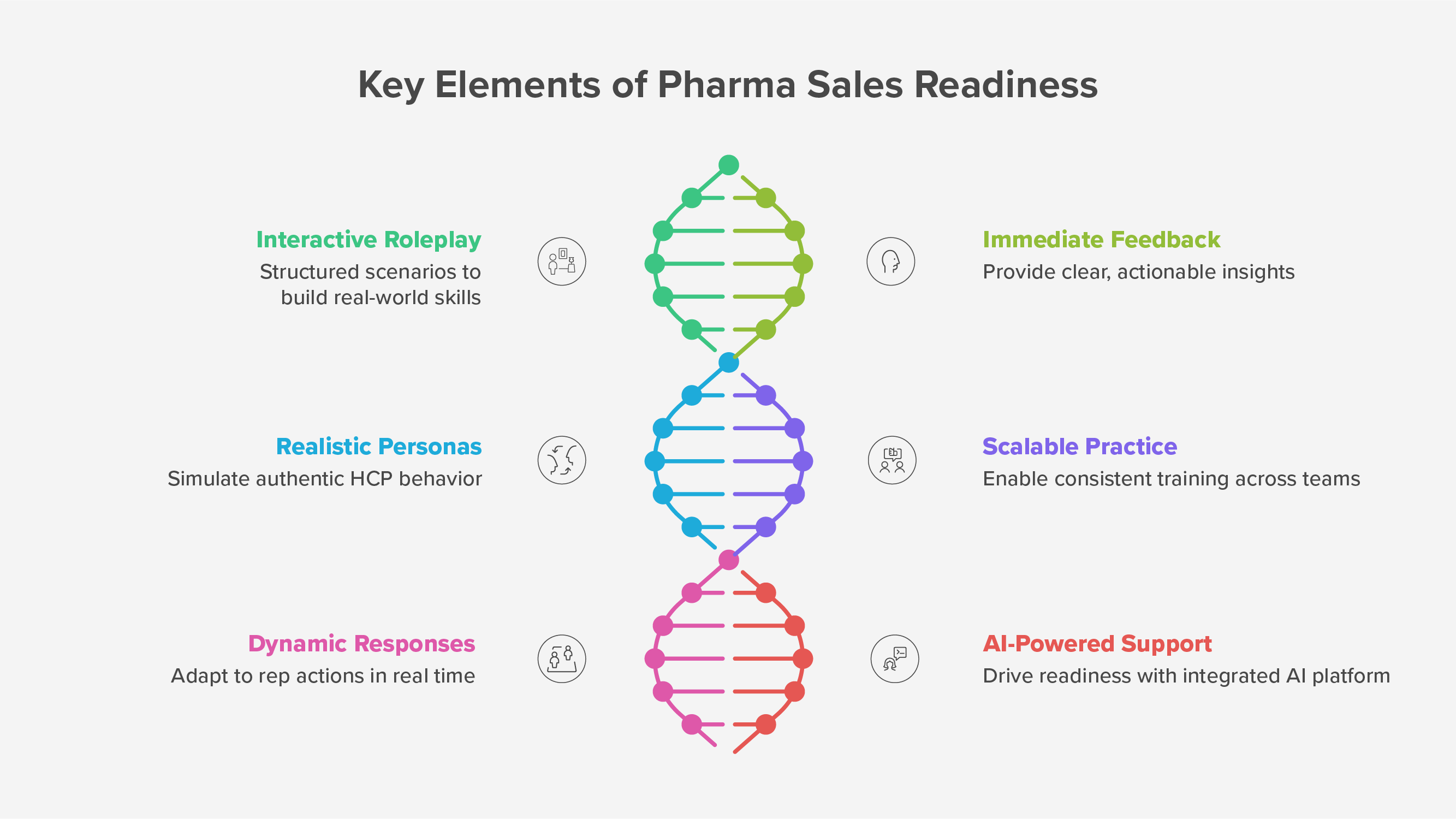
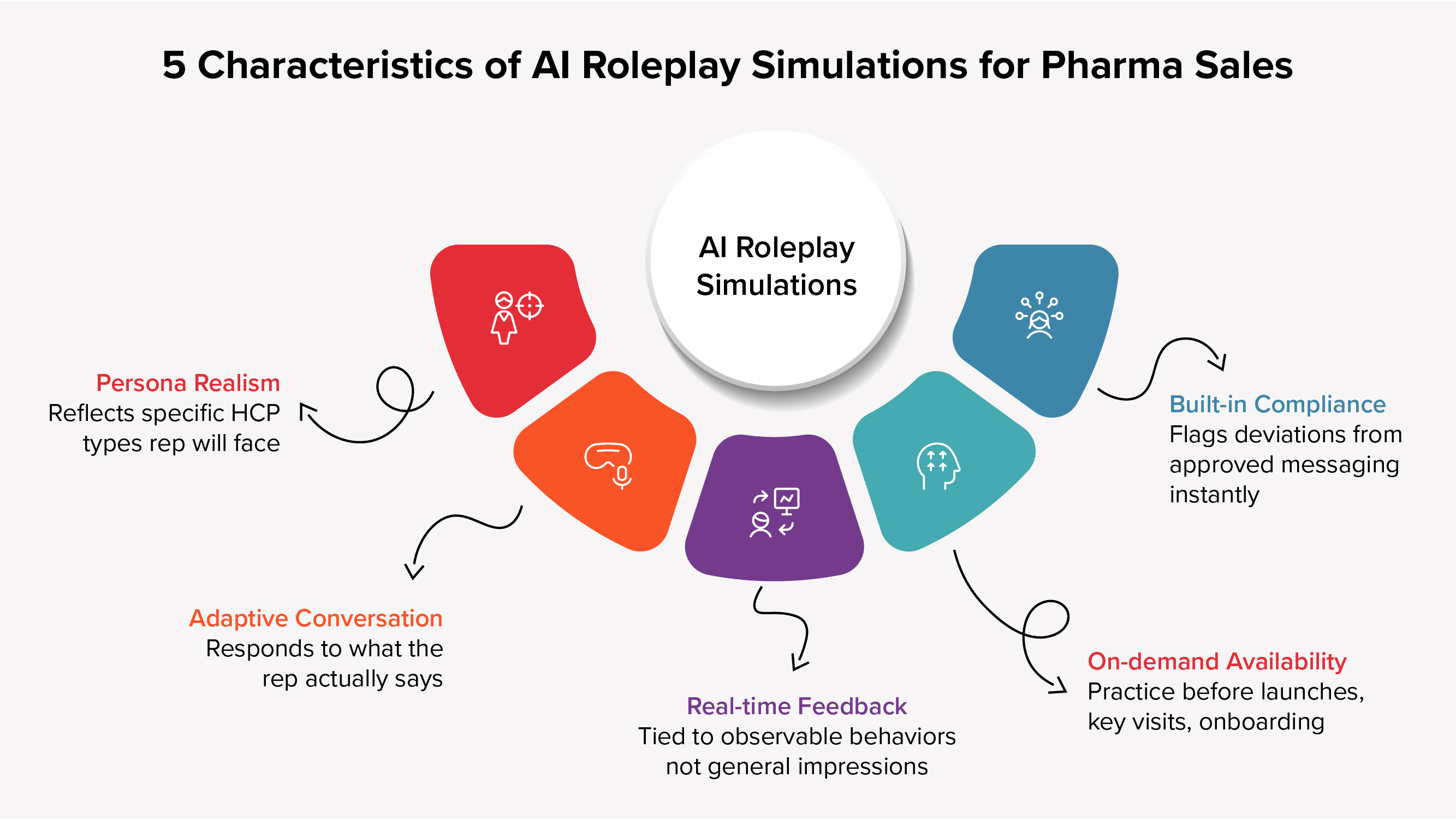
The best implementations share four characteristics:
Persona Realism: The simulated HCP reflects the specific type of clinician the rep will face, whether a GP with limited time, a specialist with deep clinical knowledge, or a hospital procurement contact with different priorities entirely.
Adaptive Conversation: The simulation responds to what the rep actually says, not a predetermined script. If a rep makes a vague claim, the AI challenges it. If a rep misses a compliance disclosure, the simulation flags it.
Real-time, Personalized Feedback: After the session, the rep receives feedback tied to observable behaviors, not general impressions. Whatever they said was good or what could they improve, and precisely where the conversation shifted.
On-demand Availability: Reps practice when it matters most, before a product launch, ahead of a key account visit, or during onboarding, without needing to schedule time with a manager.
Built-in Compliance Awareness: Every scenario reinforces approved messaging standards. Deviations from label language are flagged in real time, making each practice session a readiness check and a compliance reinforcement exercise simultaneously.
Forrester's Wave evaluation of Sales Training Services, Q1 2025, noted that leading training providers are now using AI for live roleplay simulations, AI-based scoring of practice sessions, and personalized next-step recommendations for both reps and coaches, describing this as the path toward personalized, just-in-time learning at scale.
For pharma teams, the compliance dimension adds another layer of value.
Scenarios can be built around approved labeling, with the simulation flagging any deviation from compliant messaging in real time.
That turns every practice session into a compliance check as well as a skill development exercise.
How Pharma Sales Leaders Are Putting AI Simulations to Work
The most effective pharma sales leaders are not deploying AI simulations as a standalone tool. They are embedding them into specific moments in the rep's readiness journey where practice has the highest return.
Pre-launch preparation:
Before a new product reaches the field, reps need to rehearse the conversation, not just read the product monograph. AI simulations allow teams to run through launch scenarios at scale, ensuring every rep has practiced the indication, the clinical positioning, and the likely objections before the first physician interaction.
New rep onboarding:
Onboarding in pharma traditionally relies heavily on classroom sessions and field rides. AI simulations compress the time between training and field-readiness by giving new reps hundreds of practice repetitions in a low-stakes environment before they face a real HCP.
Objection and clinical challenge practice:
Experienced reps benefit as much as new hires. Clinical questions evolve, competitor products enter the market, and formulary landscapes shift. AI simulations can be updated quickly to reflect new challenges, giving tenured reps a structured way to rehearse responses to situations they have not yet encountered in the field.
McKinsey research on high-performing sales organizations found that all outperformers make extensive use of roleplay as a coaching technique, specifically because it builds the conversational muscle memory reps need in complex, high-stakes environments.
In pharma, every HCP interaction is that high-stakes moment. AI simulation is how you make sure reps have had that conversation many times before it counts.
What It Takes to Scale AI Roleplay Across a Field Force
Deploying AI simulations for ten reps is straightforward. Scaling them consistently across hundreds of reps, multiple regions, and several product lines is where most programs either take hold or quietly stall.
Four factors determine which way it goes:
What It Needs | Why It Matters |
|---|---|
Scenarios built for real field situations | Generic simulations produce generic practice. Scenarios need to reflect the actual HCPs, objections, and compliance requirements your reps face daily. |
Consistent scoring criteria | Without a shared rubric, feedback quality varies by region and manager. Define what good looks like upfront and apply it everywhere. |
Manager visibility into readiness gaps | Al simulations surface data that observation alone cannot. Which reps are practicing, where skill gaps appear, which scenarios are producing the most errors. |
Integration with the broader training rhythm | Simulations work best alongside manager coaching and feld observation, not instead of them. Simulation data makes those human conversations sharper and more targeted. |
For pharma specifically, auditability is non-negotiable. Every session should produce a record compliance teams can access, and all scenario content should be reviewed against current approved labeling before deployment.
How SmartWinnr Supports Pharma Sales Readiness Through AI Simulation
SmartWinnr Platform is built for the specific demands of regulated commercial teams. Its AI roleplay capabilities allow pharma sales organizations to deploy realistic, compliance-aware simulations at scale, with scenario libraries organized by product, indication, and HCP type.
Reps rehearse conversations with AI personas that respond dynamically, receive structured feedback tied to defined criteria, and build the message confidence that only comes from deliberate, repeated practice. Compliance guardrails are built into the simulation environment, so every session reinforces both skill and regulatory standards simultaneously.
Sales leaders and managers get clear visibility into where each rep stands on readiness across their territory, so coaching time is directed at the gaps that matter rather than the reps who are loudest.
For pharma organizations preparing for a product launch, ramping a new field cohort, or looking to bring greater consistency to HCP conversation quality across regions, SmartWinnr offers a structured and compliant starting point.
Request a demo to understand how SmartWinnr supports pharma sales readiness through AI roleplay simulations, coaching, and compliant skill reinforcement.
Disclaimer: This content reflects industry practices and does not constitute medical, legal, or regulatory advice.
Last Updated: