
Smart AI Blog Summary
Get a quick blog summary from any of the below LLM's
What You'll Learn
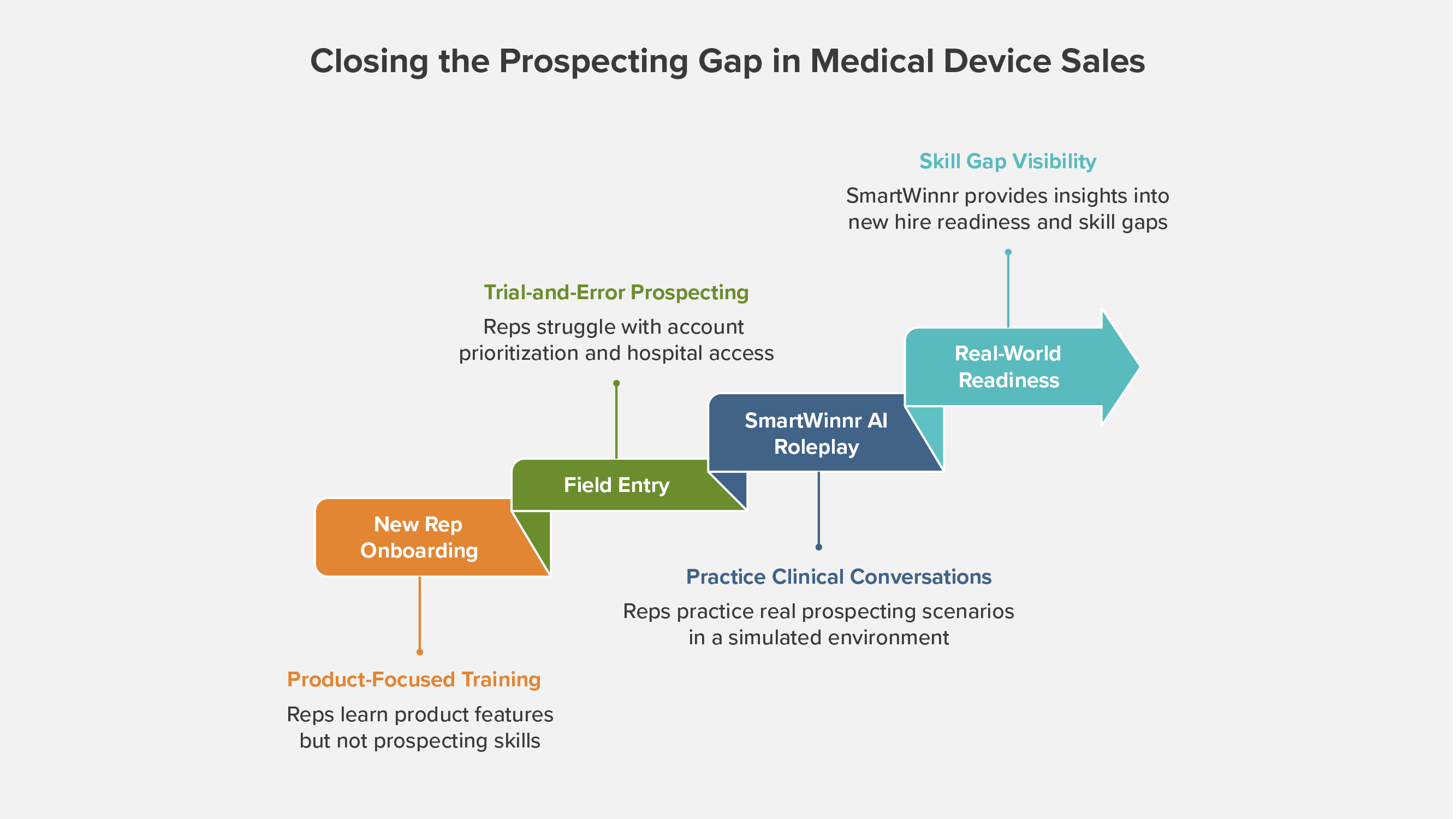
There is a moment that most new medical device sales reps experience somewhere around week eight or nine of their onboarding. The product training is complete. The anatomy modules are done. The compliance certification is signed off. The CRM has been set up. And then someone hands them a territory and says, essentially, go build your accounts.
And the rep realizes they were never actually taught how to do that part.
This is the prospecting gap in medical device new hire onboarding. It is not a failure of intent. Most onboarding programs in this industry are genuinely thorough and carefully designed. But prospecting, specifically how to identify which accounts to prioritize, how to gain access to a hospital system, how to build the right relationships at the right stakeholder levels, and how to convert an initial contact into a meaningful clinical conversation, is consistently the piece that gets treated as something the rep will figure out in the field.
The result is reps who know their device inside out but spend their first six months learning how to prospect by trial and error in live accounts.
Why the Prospecting Gap Exists in Medical Device Onboarding
Medical device onboarding faces a structural tension that is difficult to resolve with time alone. The product and clinical knowledge required is deep, specific to the device category, and non-negotiable before a rep can credibly engage with a surgeon. That knowledge takes time to build, and the training investment is justified.
The challenge is that all that content is inward facing. It prepares the rep to talk about the device. It rarely prepares the rep for the institutional and relational work required to get in front of the right people in the first place.
According to Gartner's research on sales onboarding effectiveness, organizations cannot afford to wait 26 weeks to get new sellers to full productivity, yet most onboarding programs are built around knowledge transfer rather than field-ready skill development, leaving a critical gap between what reps know and what they can do independently in the field.
In medical device, that gap is compounded by the nature of hospital access. A new rep cannot simply pull a list of surgeons and start calling. They need to understand hospital credentialing requirements, navigate vendor management offices, identify the right clinical champions within each account, and earn the kind of trust from OR staff that gets them onto a surgeon's regular call schedule. None of that is covered in a product certification program.
Prospecting in medical device is its own skill set. Treating it as something reps will pick up on the job means the first six to twelve months in the field are slower, less productive, and more frustrating than they need to be.
What Prospecting Training in Medical Device Onboarding Should Cover
Good prospecting training in medical device onboarding covers three areas that most programs either skip or treat too lightly.
Territory and Account Intelligence
A new medical device rep inherits a territory that already has history. Some hospital accounts have been called on for years and have established supplier relationships. Others are genuinely open to evaluation. Some have vendor management offices that control rep access tightly. Others have more open access cultures.
Without being taught how to read that landscape, how to use call history, procedural volume data, and competitive intelligence to build a prioritized account plan, a new rep spends their first months distributing effort evenly across a territory rather than concentrating where the real opportunity lies.
Hospital Access and Credentialing Navigation
Getting into a hospital is a process, not a phone call. Most hospital systems now require vendor credentialing through platforms like Symplr or Reptrax before a rep can set foot in a clinical area. Many OR environments have strict scheduling requirements for rep presence during cases. Procurement offices have their own protocols for evaluating new suppliers.
A new rep who does not understand these processes wastes significant time in the first months trying to access accounts through channels that do not work, building frustration that erodes confidence before they have even had a real clinical conversation.
The First Clinical Conversation
The first interaction with a surgeon or clinical specialist who does not know the rep sets the tone for everything that follows. A rep who leads with product specifications in that first moment loses the conversation before it has started. A rep who leads with curiosity about the surgeon's procedural priorities, patient population, and current clinical challenges earns a second conversation.
Teaching new hires what a strong first prospecting interaction in a hospital environment looks and sounds like, through practice and real examples rather than slides, is one of the highest-value investments a medical device sales organization can make in their onboarding program.
Three Real Situations Where the Gap Shows Up in the Field
The prospecting gap in medical device onboarding does not announce itself clearly. It shows up in patterns that managers sometimes attribute to a rep's work ethic or personality rather than the training they never received.
The rep who calls on everyone equally.
A new orthopedic device rep joins a regional team covering a territory with twenty-five hospital accounts. Their onboarding covered the implant system thoroughly. Nobody covered territory prioritization. Eight weeks into the field, their call activity looks reasonable on paper.
But the manager notices the rep is spending equal time at community hospitals with minimal orthopedic case volume and at regional trauma centers where their device category is heavily used. The rep was never taught how to read procedural volume data or competitive positioning by account.
They defaulted to geography. Three months in, the territory data shows almost no penetration at the accounts that matter.
The rep who cannot get past the vendor management office.
A new cardiovascular device rep is given a target list of hospital systems to develop. The product training was excellent. Nobody prepared them for the reality that most large hospital systems have centralized vendor management offices with formal processes for rep credentialing, appointment scheduling, and access approval.
The rep spends the first month calling into hospitals, leaving voicemails, and getting directed back to the vendor management portal. A senior colleague eventually walks them through the credentialing process, the right contacts to build relationships with, and the specific access protocols for each account. That lesson was not in the onboarding program.
The rep who leads with product on the first surgeon meeting.
A new surgical device rep lands a meeting with a surgeon they have never spoken to before, secured through a hospital coordinator relationship. The product training has been thorough, and the rep is genuinely knowledgeable. Nervous and well-prepared, the rep launches into the device's clinical profile within the first two minutes. The surgeon, who has twenty minutes between cases, disengages politely after about three minutes and says they will look at the materials.
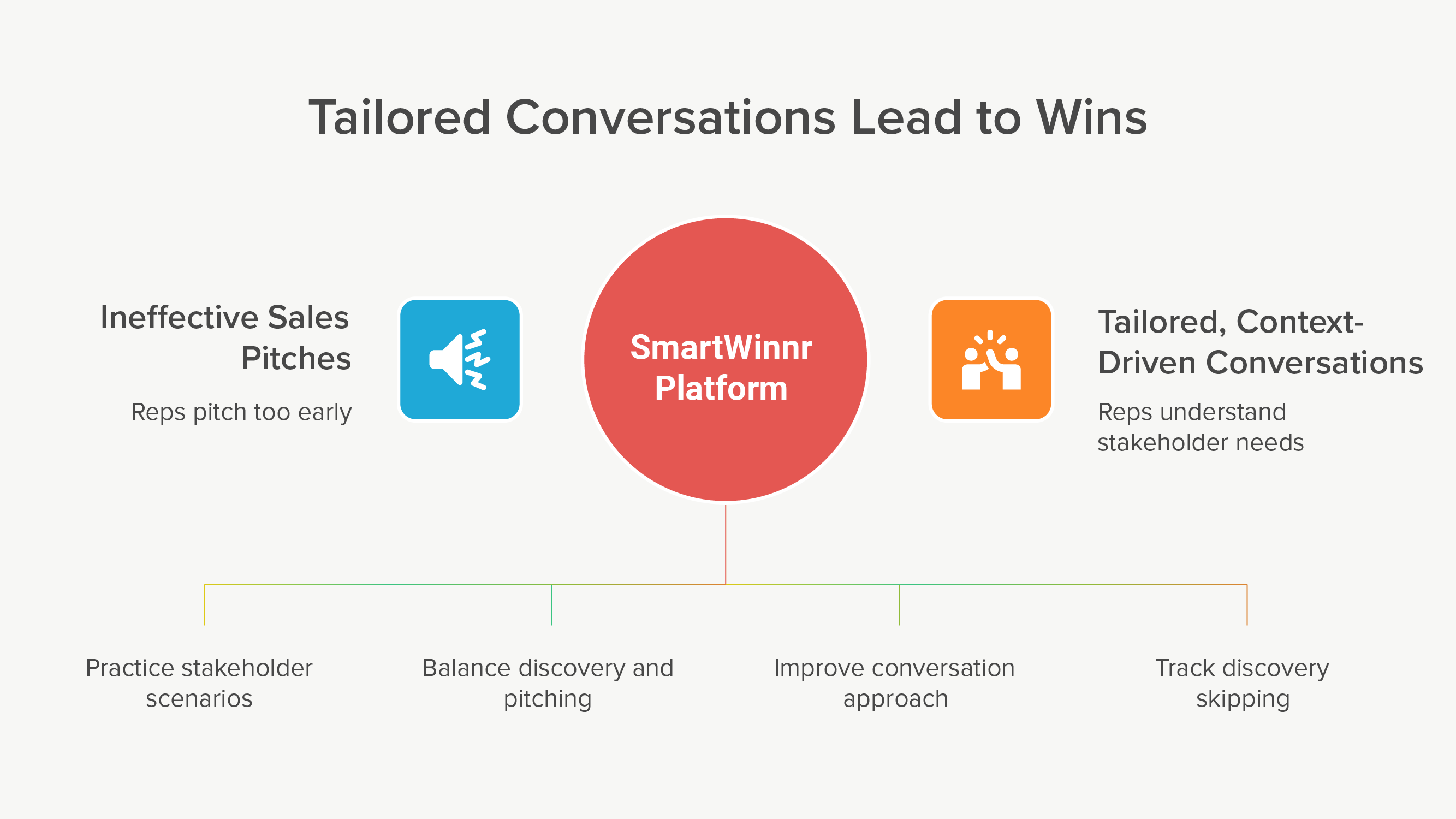
The rep leaves thinking the call went reasonably well. In reality, they never discovered what procedures the surgeon performs most frequently, what their current device preferences are, or whether there is any genuine clinical frustration worth addressing.
The product information was accurate. A discovery-led prospecting conversation would have produced a completely different outcome.
How to Build Prospecting Readiness Before the First Independent Call
The answer to the prospecting gap is not adding more content to an already full onboarding program. It is changing how prospecting skills are developed within it.
Territory mapping as a learning exercise, not an administrative task.
Instead of handing a new rep a territory list and moving on, effective onboarding walks them through how to read and prioritize that territory. A new rep might be given procedural volume data, account call history, and competitive intelligence reports, and asked to build a prioritized target account plan before making a single independent visit. The exercise is the learning. It teaches them how to think about a territory strategically rather than geographically.
Structured shadowing with a prospecting lens.
Most medical device onboarding includes field ride-alongs with experienced colleagues. The challenge is that without structure, new hires observe what happens without understanding the decisions behind it. A more effective approach assigns specific observation goals, watch how this rep gains access to this account, observe how they build rapport with OR staff, notice how they handle a conversation with a vendor management contact, and then debrief on what was observed. Structure turns observation into active learning.
Practice before the field, not just preparation.
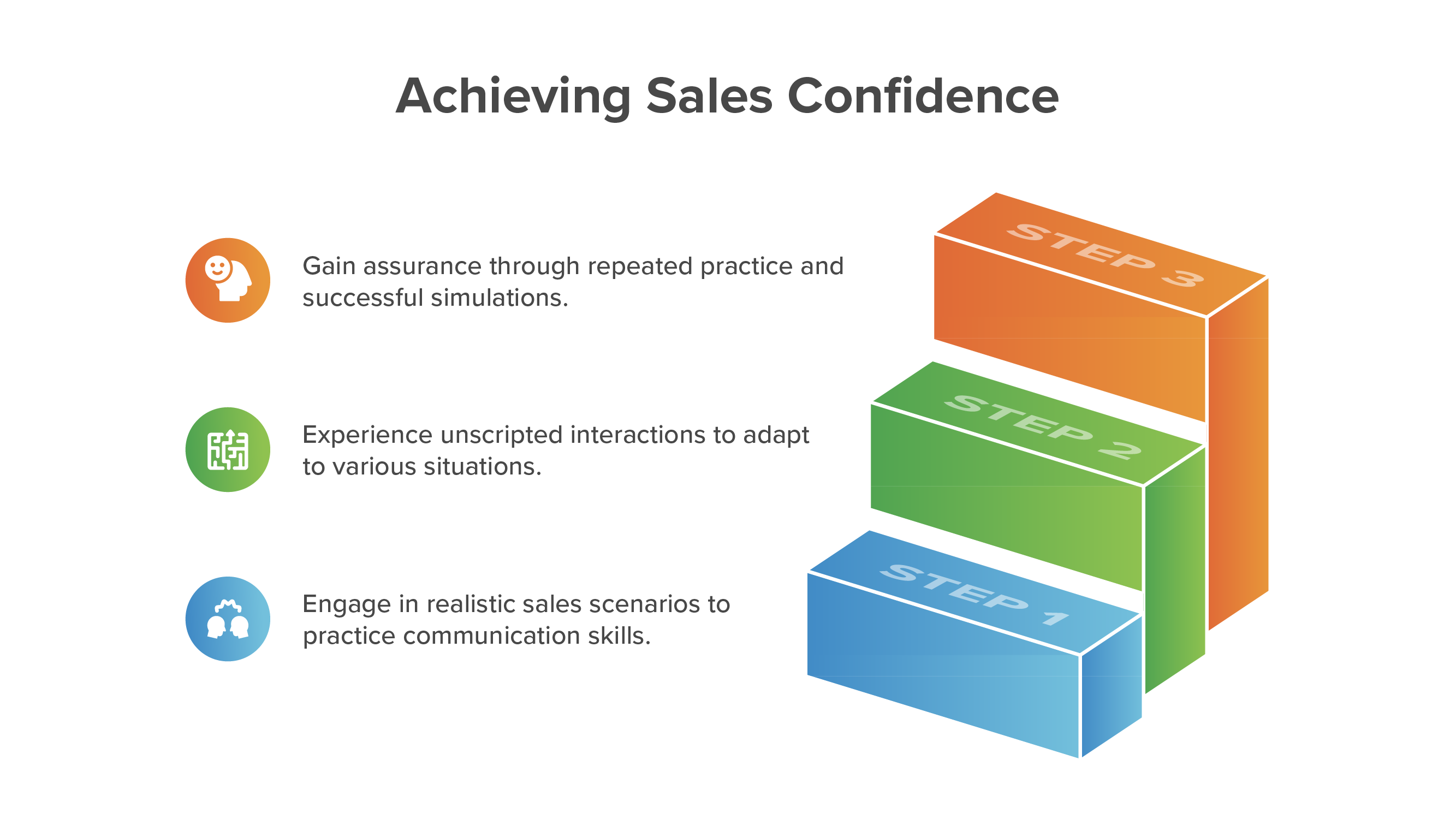
Roleplaying a first clinical conversation in a safe environment, where the new hire can attempt it, receive specific feedback, and try again, is far more effective than any amount of instruction. A new device rep who has practiced the first surgeon meeting ten times before their first independent visit enters that visit with a fundamentally different level of readiness than one who only read about how to do it.
Building these three practices consistently across a distributed new hire cohort is where most medical device organizations hit a practical wall.
That is where SmartWinnr comes in.
How SmartWinnr Supports Prospecting Readiness in Medical Device Onboarding
SmartWinnr's AI roleplay capabilities allow medical device sales organizations to build prospecting scenarios directly into the onboarding journey. New hires practice first clinical conversations, navigate access objections from hospital gatekeepers, and rehearse territory-based scenarios with simulated surgeons and procurement contacts who respond the way real stakeholders do.
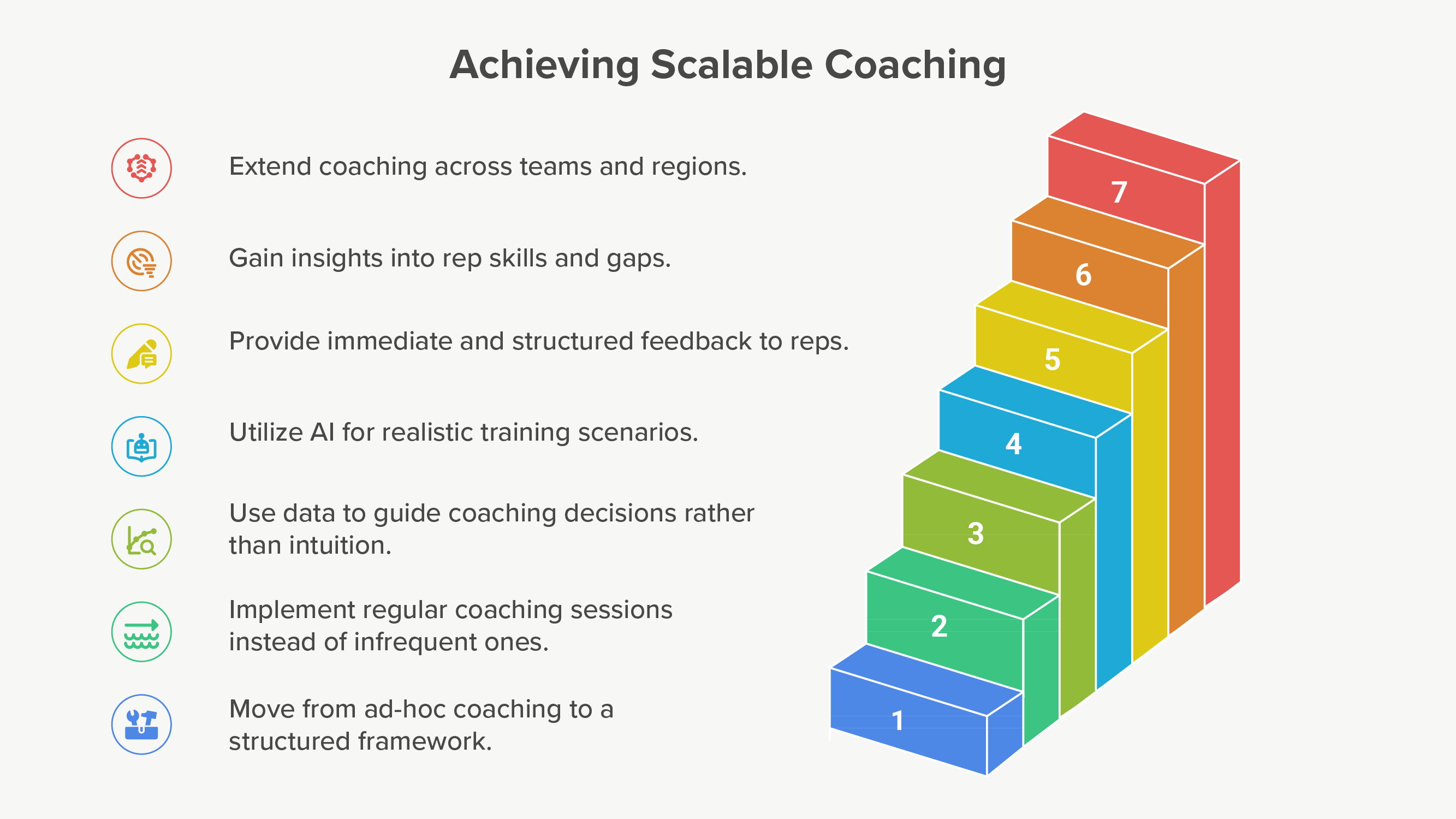
Managers and training leaders get visibility into how each new hire is developing across specific prospecting skills, where confidence is building, and where additional coaching is needed before the rep goes independent in the field.
Learn how top organizations in the medical device industry are using SmartWinnr to close the prospecting gap and build field-ready new hires from day one.
Or you can Request a demo to see SmartWinnr in action for your medical device sales team:
Disclaimer: This content reflects industry practices and does not constitute medical, legal, or regulatory advice.
Last Updated: