
Smart AI Blog Summary
Get a quick blog summary from any of the below LLM's
What You'll Learn
AI roleplay is no longer a novelty in pharmaceutical sales. It has become a practical way for field teams to rehearse HCP conversations, apply approved messaging, and demonstrate readiness - before stepping into real-world interactions.
For pharma organizations, the challenge is not whether to adopt AI roleplay, but how to choose a platform that aligns with regulatory expectations, onboarding needs, and certification standards.
This guide outlines what pharma sales and enablement leaders should look for when evaluating AI roleplay platforms, with a focus on readiness, compliance, and scale.
What matters most for pharma sales enablement
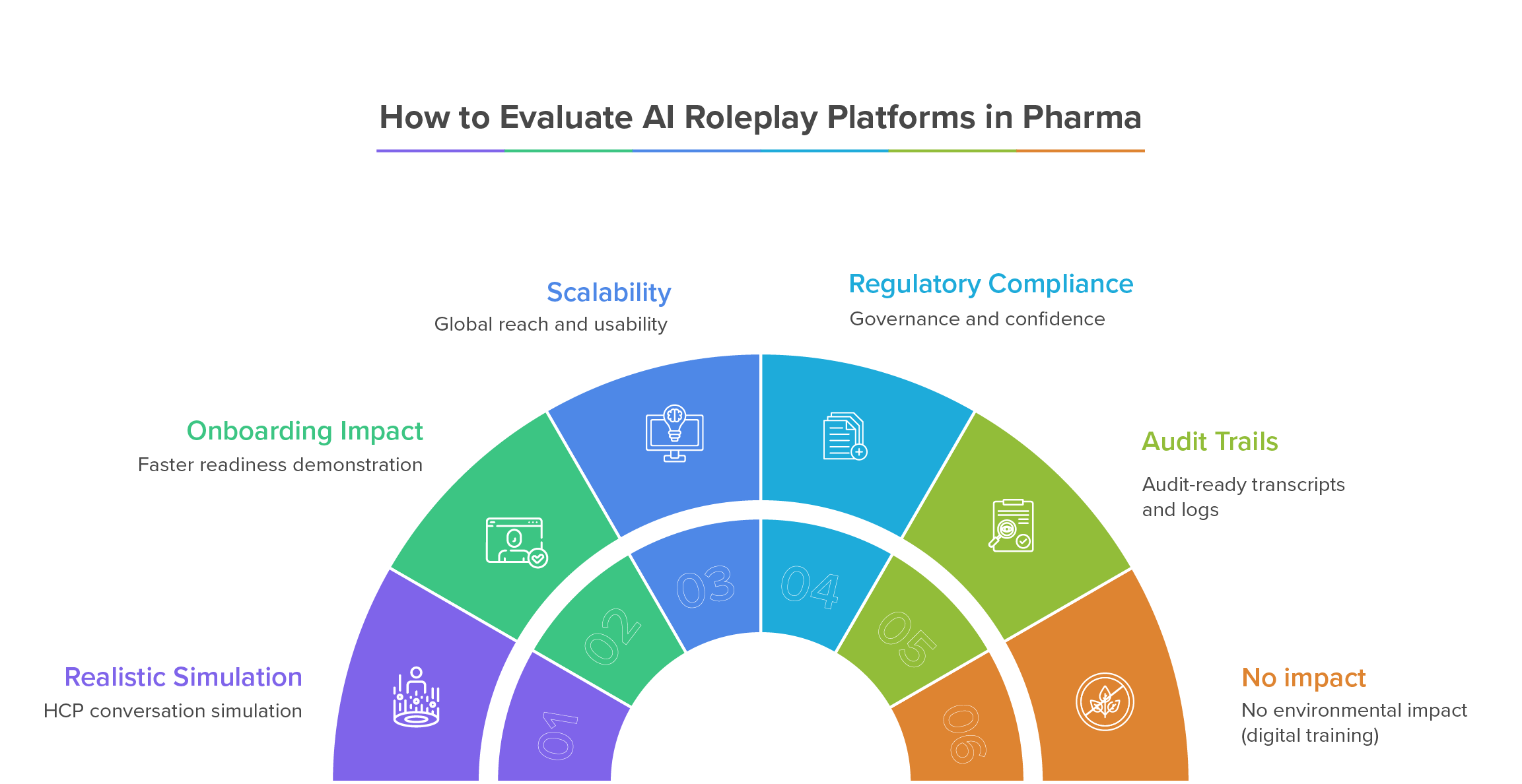
When assessing AI roleplay platforms for pharma, the evaluation criteria differ from general sales environments. The following capabilities consistently matter most:
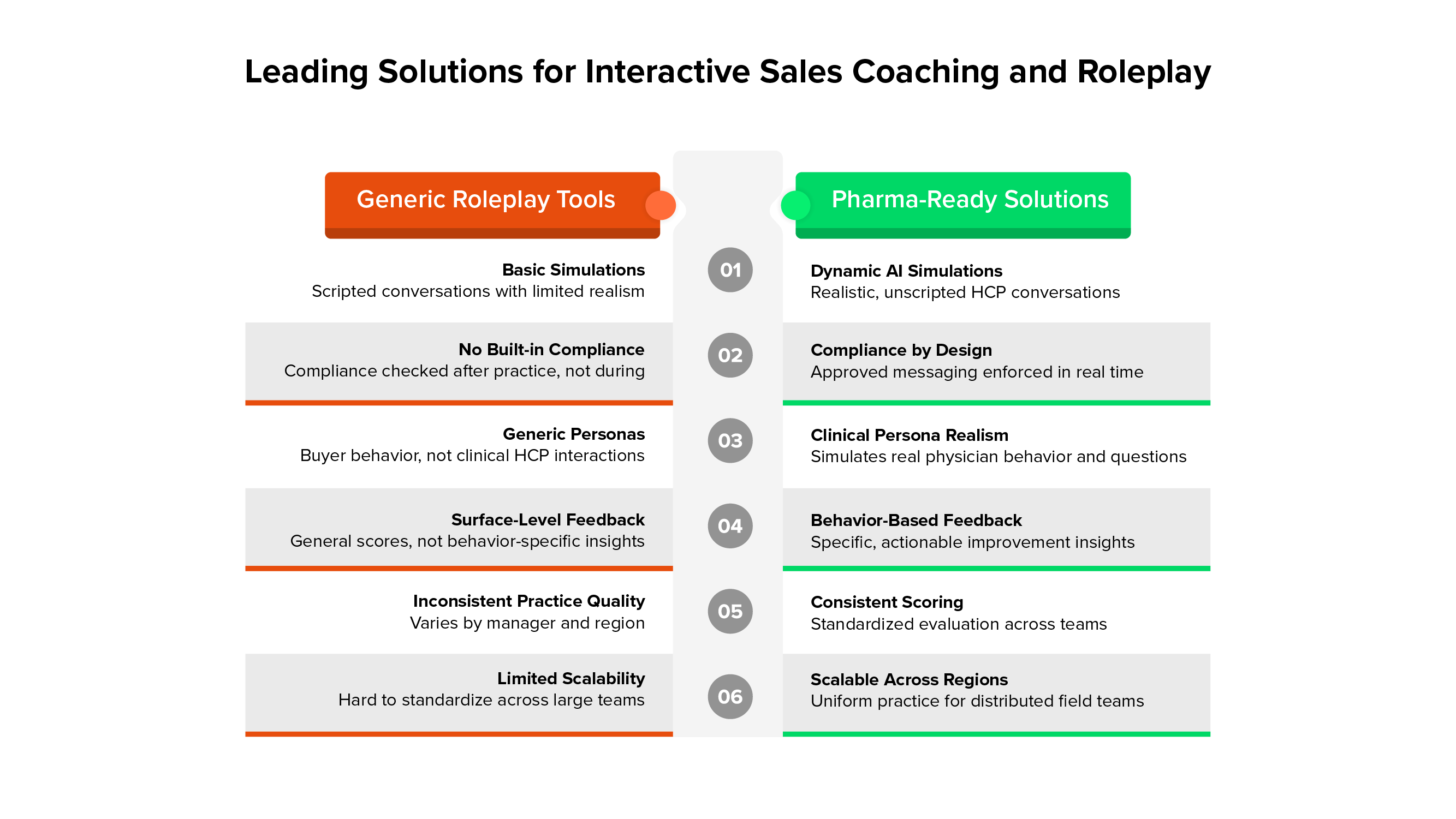
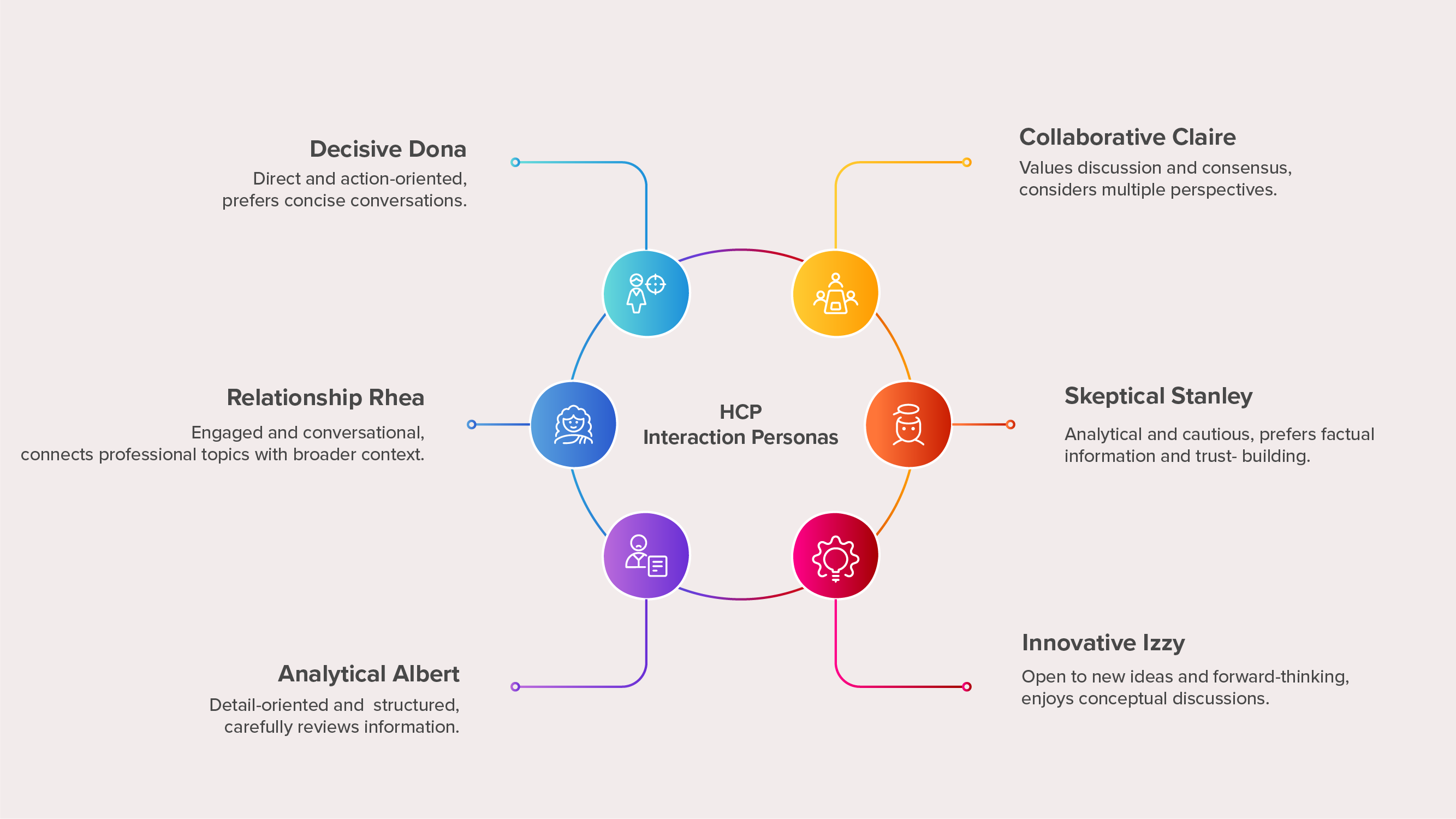
Realistic HCP conversation simulation
Does the AI simulate realistic physician behavior - asking clinically relevant questions, challenging statements appropriately, and responding to what the rep actually says?
Compliance and certification readiness
Can the platform support:
Weighted scoring rubrics
Clear pass thresholds
Version-controlled scenarios
Audit-ready transcripts and logs
These are essential for internal governance and regulatory confidence.
Onboarding and field readiness impact
Does repeated practice help new hires demonstrate readiness faster, with objective signals that managers and compliance teams can trust?
Global scale and usability
Can teams across regions practice frequently on mobile, with consistent grading regardless of manager, geography, or language?
Enablement depth beyond roleplay
Does the platform support reinforcement through learning, coaching, and performance visibility - or does it require stitching together multiple tools?
What an AI roleplay platform must support in pharma
A pharma-ready AI roleplay platform should enable teams to:
Practice HCP interactions, not generic sales pitches
Reinforce approved clinical language consistently
Handle objections within defined evidence boundaries
Ability to share digital sales aid while interacting with AI HCP
Prepare for certifications, launches, and live assessments
Maintain clear audit trails for readiness and training compliance
Platforms that lack these controls may offer engaging simulations, but fall short in regulated environments.
How pharma sales teams should run a pilot
A practical 30-day pilot for pharma should include:
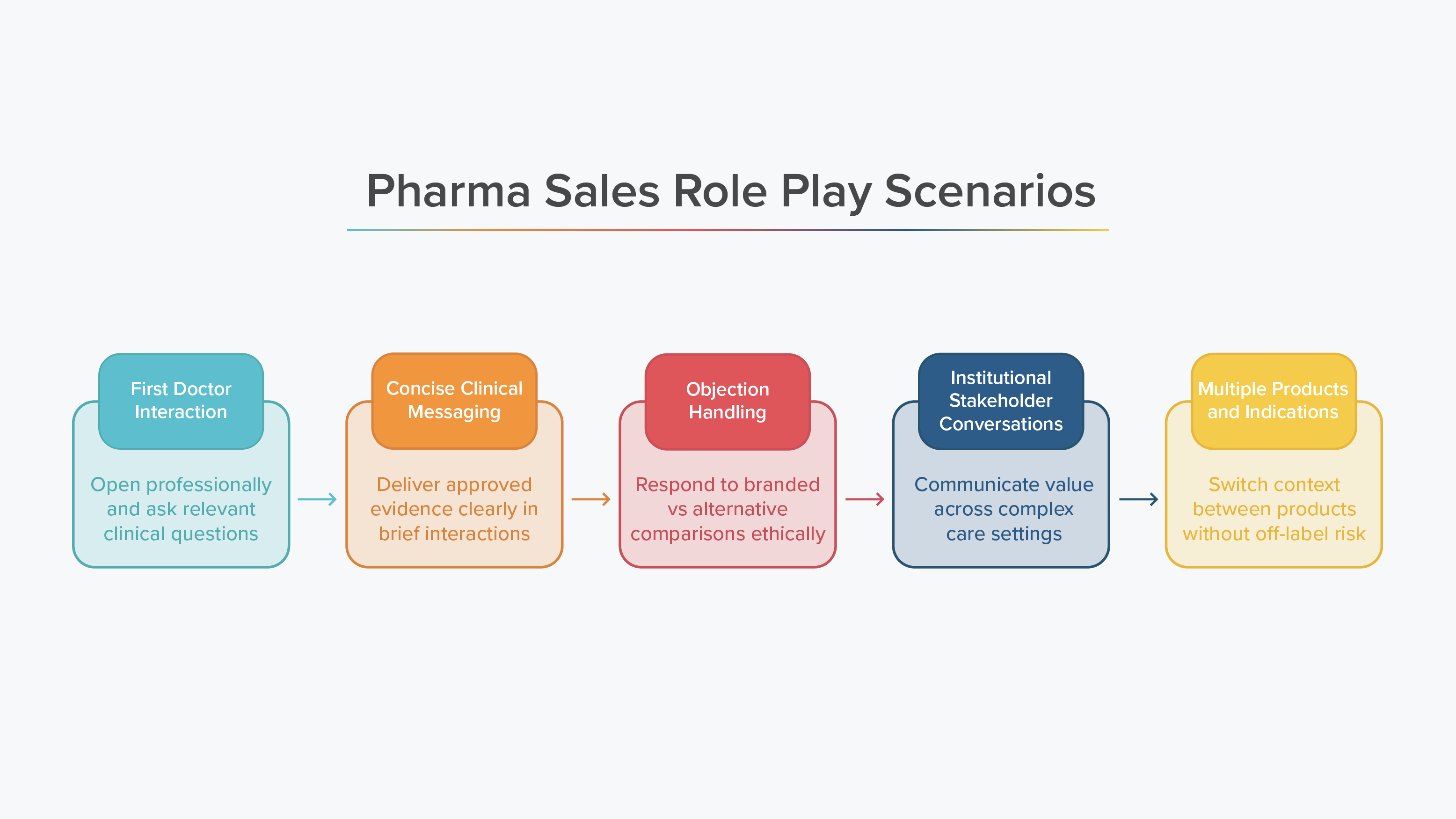
At least three scenarios per role
1. Initial HCP interaction
2. Objection handling
3. A compliance-heavy scenarioScreen-aware roleplays using real clinical slides or IFUs
Visible scoring criteria with defined pass thresholds
Mobile-first daily practice flow
Manager workflows for remediation and recertification
Metrics such as:
Time to first certification pass
Skill-level progression
Practice consistency across regions
If a platform cannot support this structure, it may struggle to scale in pharma environments.
How SmartWinnr supports pharma sales readiness
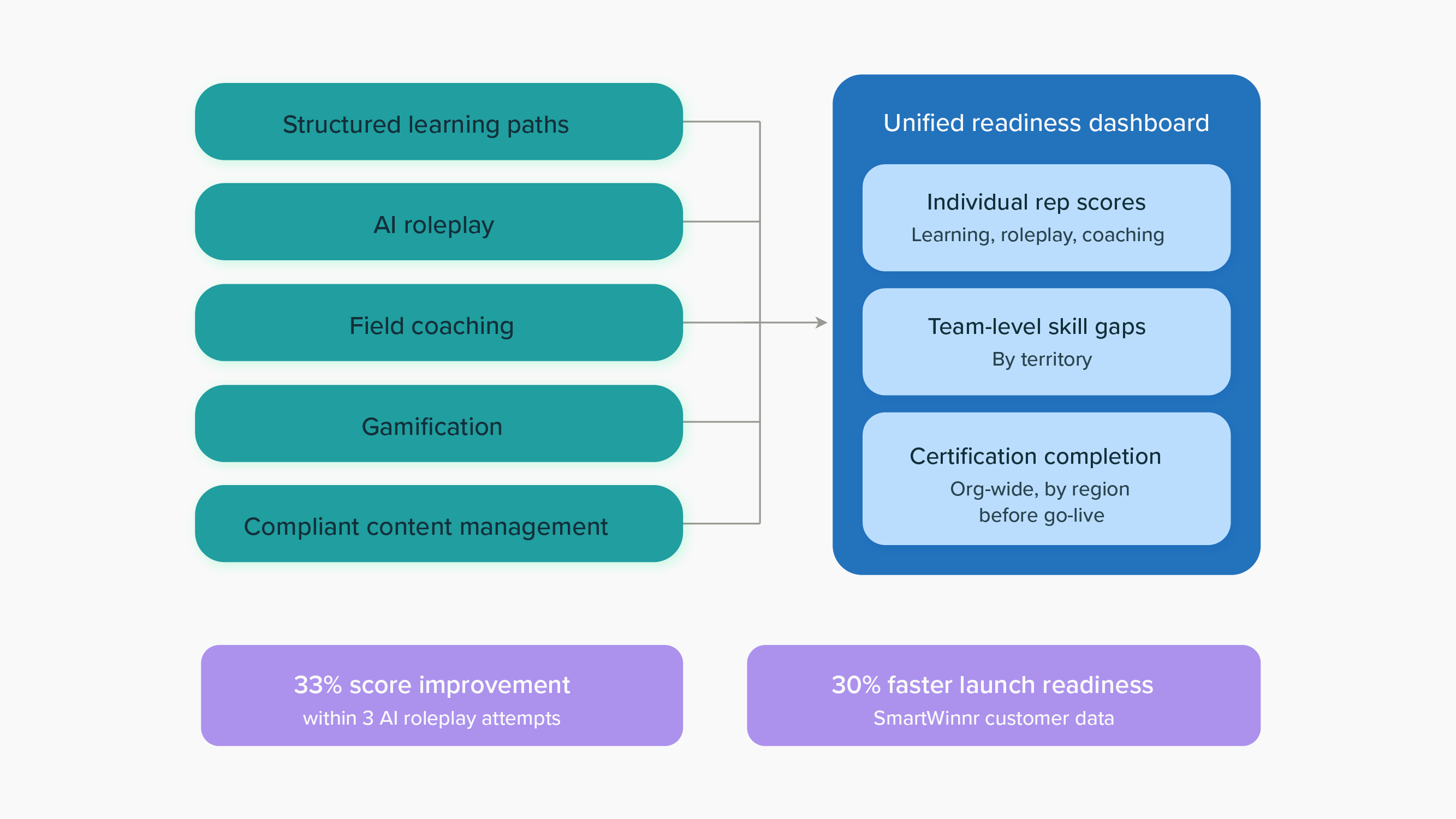
SmartWinnr is designed for regulated industries that require more than standalone simulations. It brings together AI roleplay with a broader sales readiness ecosystem tailored for pharma.
Key capabilities include:
Two-way AI roleplays that simulate realistic HCP conversations
Consistent, weighted scoring with defined certification thresholds
Screen-aware avatars that respond to shared clinical materials
Transcripts, analytics, and audit-ready records for compliance teams
Learning paths, microlearning, and quizzes to reinforce label accuracy
Structured field coaching to support joint visits and ongoing readiness
Multilingual support for global pharma teams
This integrated approach helps organizations move beyond isolated practice toward repeatable, measurable readiness at scale.
Final perspective
In pharmaceutical sales, AI roleplay is not about increasing activity - it is about ensuring preparedness, consistency, and compliance.
The right platform enables reps to practice realistic HCP conversations, helps managers certify readiness with confidence, and allows organizations to scale training without compromising governance.
When evaluating AI roleplay for pharma, focus on readiness outcomes, auditability, and long-term scalability - not just conversation novelty.
Looking for an AI roleplay platform built for pharmaceutical sales? Book a demo
Disclaimer: This content reflects industry practices and does not constitute medical, legal, or regulatory advice.
Last Updated: