
Smart AI Blog Summary
Get a quick blog summary from any of the below LLM's
What You'll Learn
Pharmaceutical sales conversations take place in highly professional, time-constrained, and regulated environments. Medical representatives interact with healthcare professionals who differ widely in how they process information, ask questions, and engage in discussions.
Buyer personas help pharma sales teams prepare for these differences in a structured and respectful way.
Rather than labeling individuals, personas provide interaction frameworks that help reps:
Prepare for different conversation styles
Tailor communication approaches appropriately
Anticipate questions, preferences, and engagement patterns
Maintain professionalism across varied HCP interactions
Used responsibly, personas support better preparation and communication, not influence over clinical decisions.
What is a buyer persona in a pharma context?
In pharma, a buyer persona is a generalized representation of an HCP interaction style, informed by observed behaviors, preferences, and communication tendencies.
Personas help sales teams:
Structure conversations more effectively
Adapt communication style without changing approved content
Respect individual preferences and professional boundaries
Prepare for follow-up interactions thoughtfully
A persona surfaces:
Goals and priorities
Motivations and concerns
Communication preferences
Decision-making approaches
Understanding these dimensions enables reps to approach conversations with clarity, empathy, and preparedness.
Why buyer personas matter for pharma sales teams
Buyer personas are especially valuable in pharma because:
Access to HCPs is limited and interactions are brief
Conversations must remain compliant and evidence-based
Different HCPs expect different levels of detail and pacing
Follow-up interactions often span long periods
Training teams on persona-aware conversations helps ensure that each interaction feels relevant, respectful, and professionally aligned.
Common HCP interaction personas in pharma
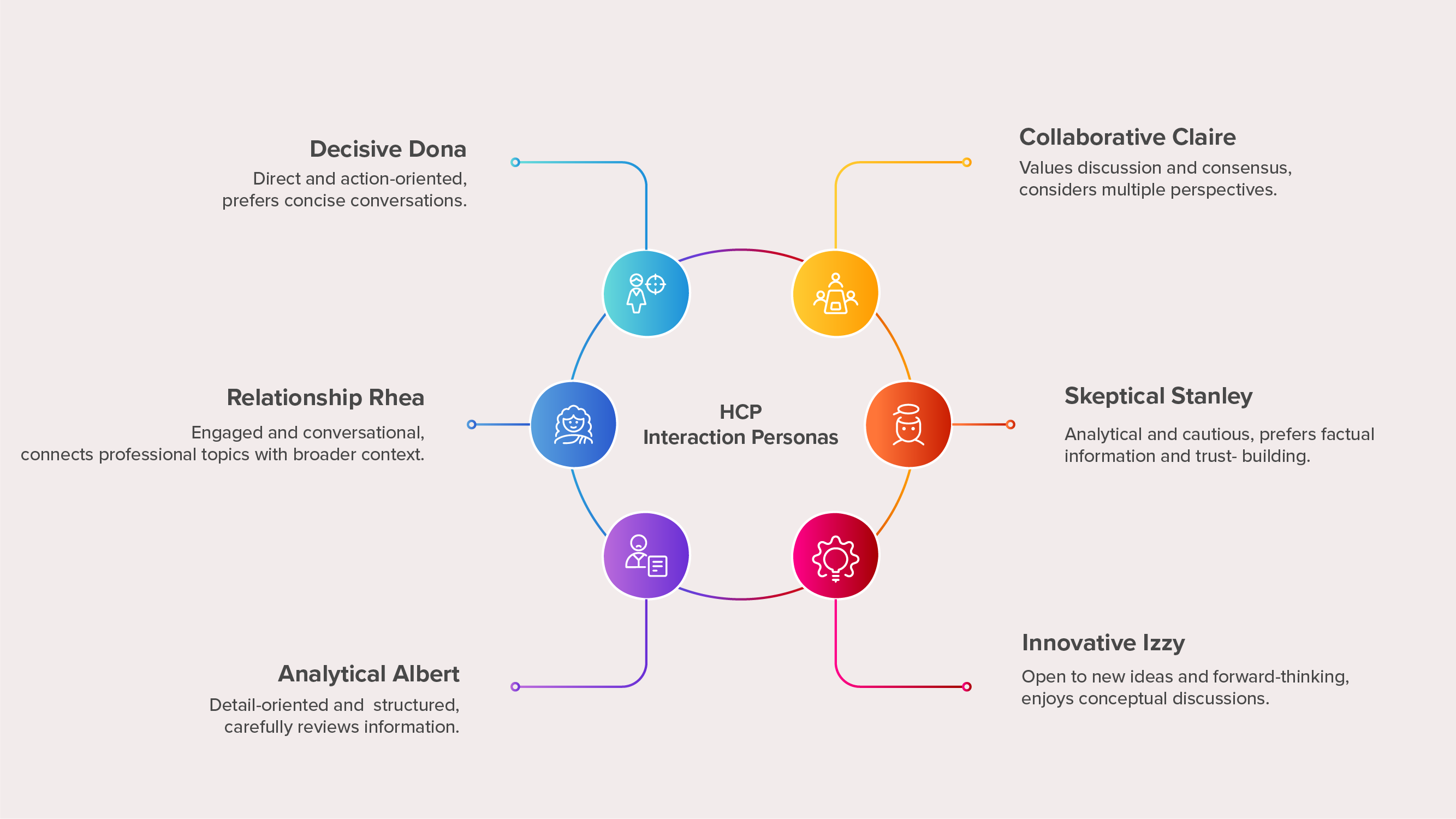
Based on field experience, pharma sales teams frequently encounter the following interaction styles. These personas are not fixed identities, but helpful lenses for preparation and role play.
Decisive Dona - The direct decision-maker
Interaction style
Decisive Dona is direct, action-oriented, and focused on outcomes. She prefers concise conversations and clear relevance. She values efficiency and does not dwell on unnecessary details.
How teams can prepare
Be clear and structured in communication
Focus on relevance rather than volume of information
Respect time constraints and stay on point
Be prepared to answer direct questions confidently
Role play focus: Clarity, confidence, and brevity
Collaborative Claire - The consensus-oriented professional
Interaction style
Collaborative Claire values discussion, alignment, and collective input. She often considers perspectives from peers, committees, or teams before forming an opinion.
How teams can prepare
Facilitate inclusive and balanced discussions
Acknowledge the role of multiple stakeholders
Be patient with longer decision timelines
Communicate in a diplomatic and respectful manner
Role play focus: Facilitation, patience, and adaptability
Relationship Rhea - The engaged communicator
Interaction style
Relationship Rhea values interaction and engagement. She is expressive, conversational, and often connects professional topics with broader context.
How teams can prepare
Engage actively while remaining professional
Listen attentively and acknowledge ideas
Keep discussions balanced between engagement and relevance
Avoid overloading with technical detail unless requested
Role play focus: Engagement, listening, and rapport-building
Skeptical Stanley - The critical evaluator
Interaction style
Skeptical Stanley is analytical, reserved, and cautious. He prefers factual, precise information and may take time to build trust.
How teams can prepare
Be well-prepared with accurate, approved information
Avoid exaggeration or assumptions
Respect preferred communication channels
Invite clarification questions without pressure
Role play focus: Accuracy, patience, and credibility
Analytical Albert - The detail-oriented thinker
Interaction style
Analytical Albert values structure, data, and thorough evaluation. He carefully reviews information before forming conclusions.
How teams can prepare
Organize information logically
Be ready to support discussions with evidence
Allow time for consideration and follow-up
Avoid rushing conversations or conclusions
Role play focus: Structure, precision, and methodical communication
Innovative Izzy - The forward-thinking professional
Interaction style
Innovative Izzy is open to new ideas and alternative approaches. She enjoys conceptual discussions and forward-looking perspectives.
How teams can prepare
Encourage thoughtful exploration of ideas
Keep conversations aligned with approved scope
Balance creativity with evidence-based discussion
Help translate concepts into practical context
Role play focus: Flexibility, insight-led discussion, and relevance
Using buyer personas in pharma sales training and role play
Buyer personas are most effective when integrated into:
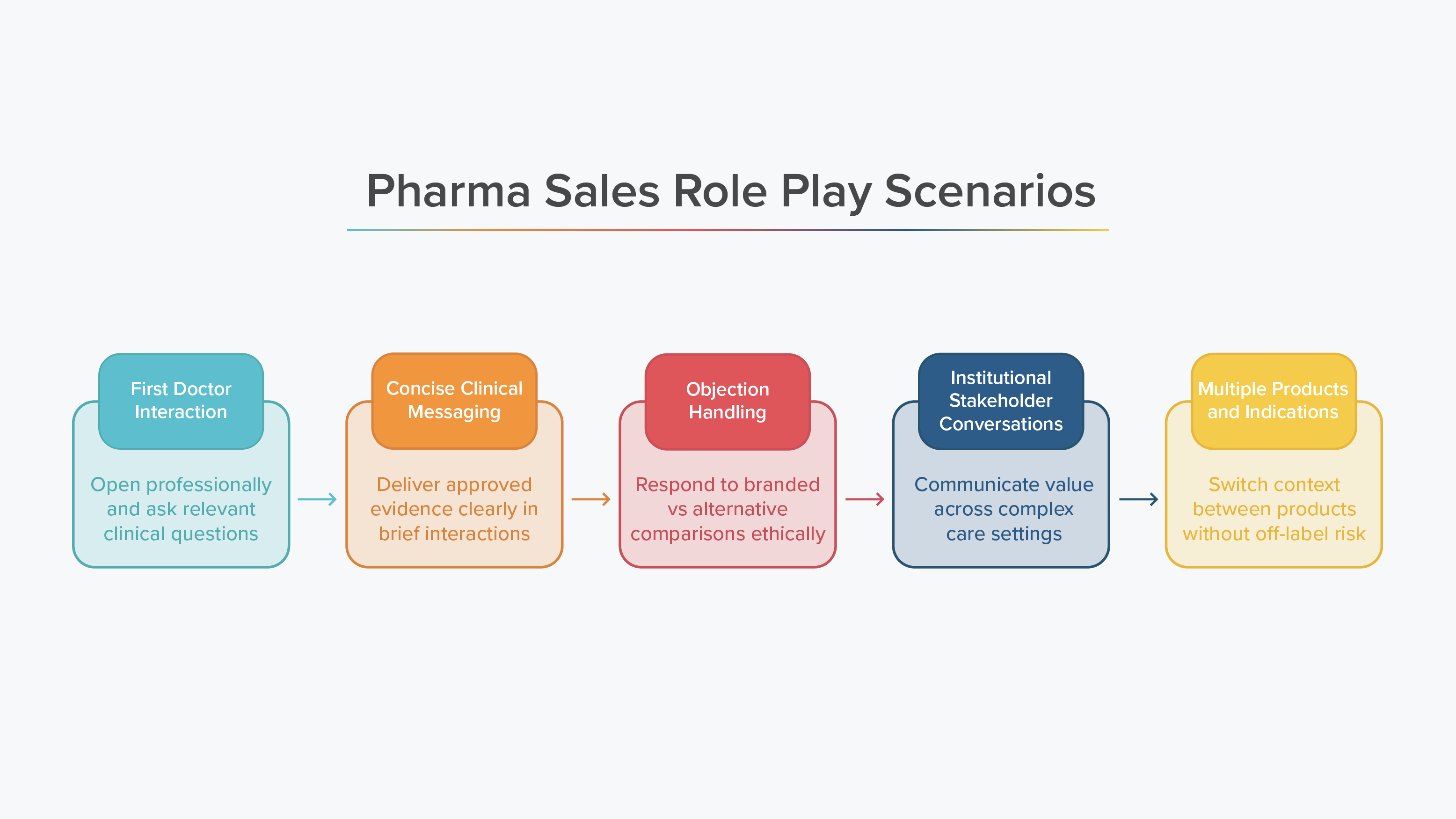
Sales role play scenarios
Coaching conversations
Onboarding programs
Readiness and certification exercises
They help teams practice how to communicate, not what to say - ensuring content remains compliant while delivery adapts to the interaction style.
How this fits into a broader pharma sales readiness program
Persona-based preparation strengthens:
Conversation confidence
Engagement quality
Follow-up effectiveness
Professional consistency
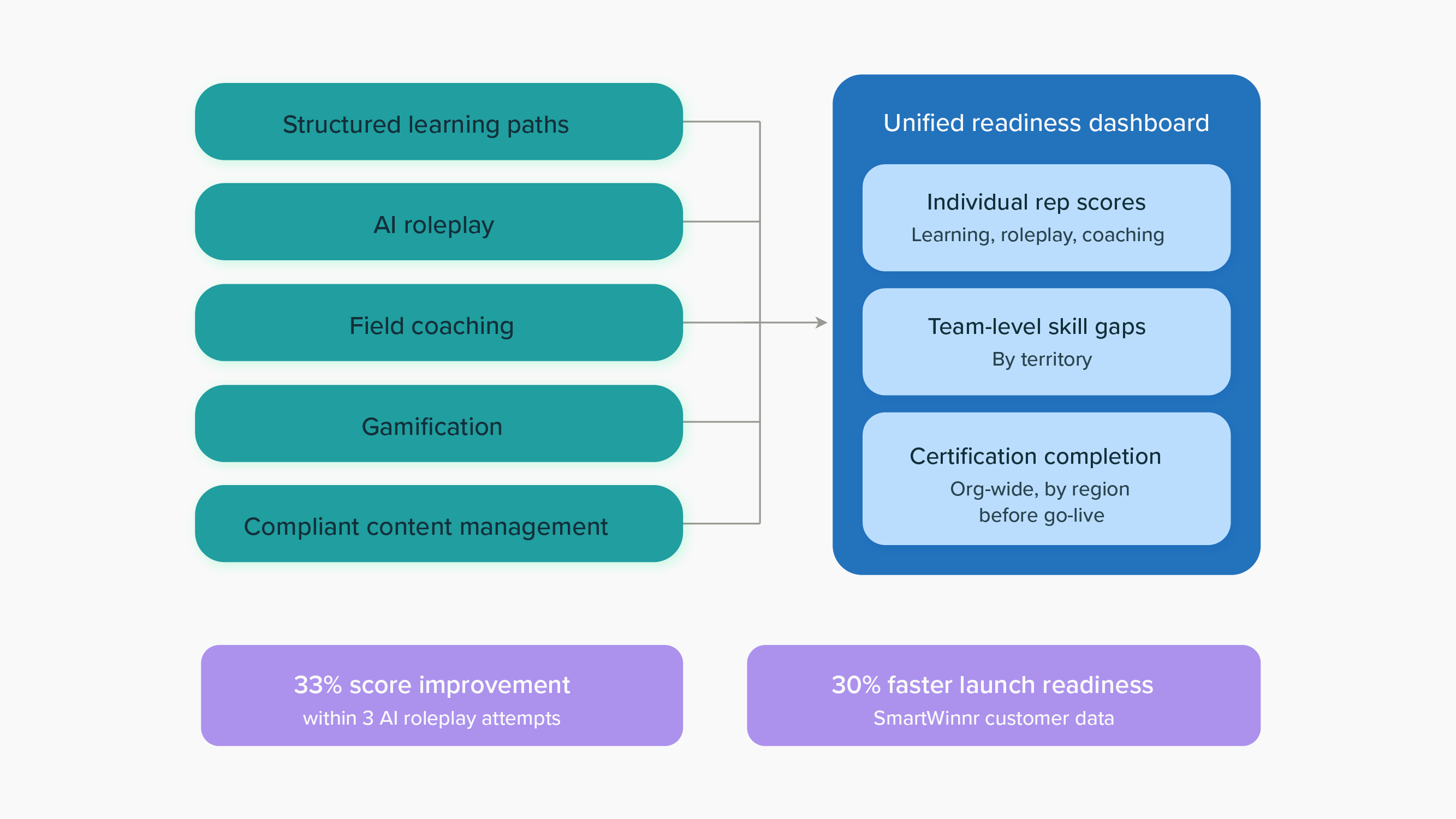
Platforms like SmartWinnr support this by enabling persona-driven role play, coaching feedback, and structured practice - helping teams refine interaction skills within approved boundaries.
Final thought
In pharma sales, effective conversations begin with understanding - not persuasion.
Buyer personas provide a practical framework for preparing respectful, relevant, and professional interactions - allowing reps to engage confidently across diverse HCP communication styles while maintaining clarity, compliance, and trust.
Ready to prepare your teams for every HCP interaction? Book a demo
Disclaimer: This content reflects industry practices and does not constitute medical, legal, or regulatory advice.
Last Updated: