

Smart AI Blog Summary
Get a quick blog summary from any of the below LLM's
What You'll Learn
Pharmaceutical sales operates in one of the most demanding professional environments. Medical representatives, specialty reps, and key account managers balance scientific discussions, ethical expectations, compliance requirements, and limited access to healthcare professionals - often across long and complex engagement cycles.
Sustaining motivation in this context is not about short-term targets alone. It requires thoughtful, ongoing approaches that recognize effort, reinforce compliant behaviors, and support professional wellbeing throughout the year.
Sales incentives, when designed responsibly, can play an important role in maintaining morale, engagement, and consistency - while remaining aligned with the values and regulatory standards of the pharma industry.
What do sales incentives mean in a pharma context?
In pharma, sales incentives are best viewed as recognition and engagement mechanisms, not purely performance levers.
They are used to:
Acknowledge sustained professional effort
Reinforce compliant, ethical field behavior
Encourage learning, preparedness, and collaboration
Support motivation in time-constrained and high-responsibility roles
Incentives may be financial or non-financial, but their purpose is to support the individual behind the role, without creating pressure or misalignment with compliance expectations.
Financial and non-financial incentives in pharma
Financial recognition
Financial incentives are typically structured within clear internal guidelines and governance frameworks. They are designed to:
Recognize achievement against approved objectives
Encourage consistency over defined periods
Maintain fairness and transparency across teams
Such incentives are generally applied conservatively and in alignment with company policy.
Non-financial recognition
Non-financial incentives are widely valued in pharma organizations because they:
Encourage engagement without commercial pressure
Support wellbeing, learning, and morale
Reinforce a culture of appreciation and professionalism
Many organizations find that experience-based and recognition-driven incentives have a more lasting impact than purely monetary rewards.
Implementing sales incentives responsibly in pharma
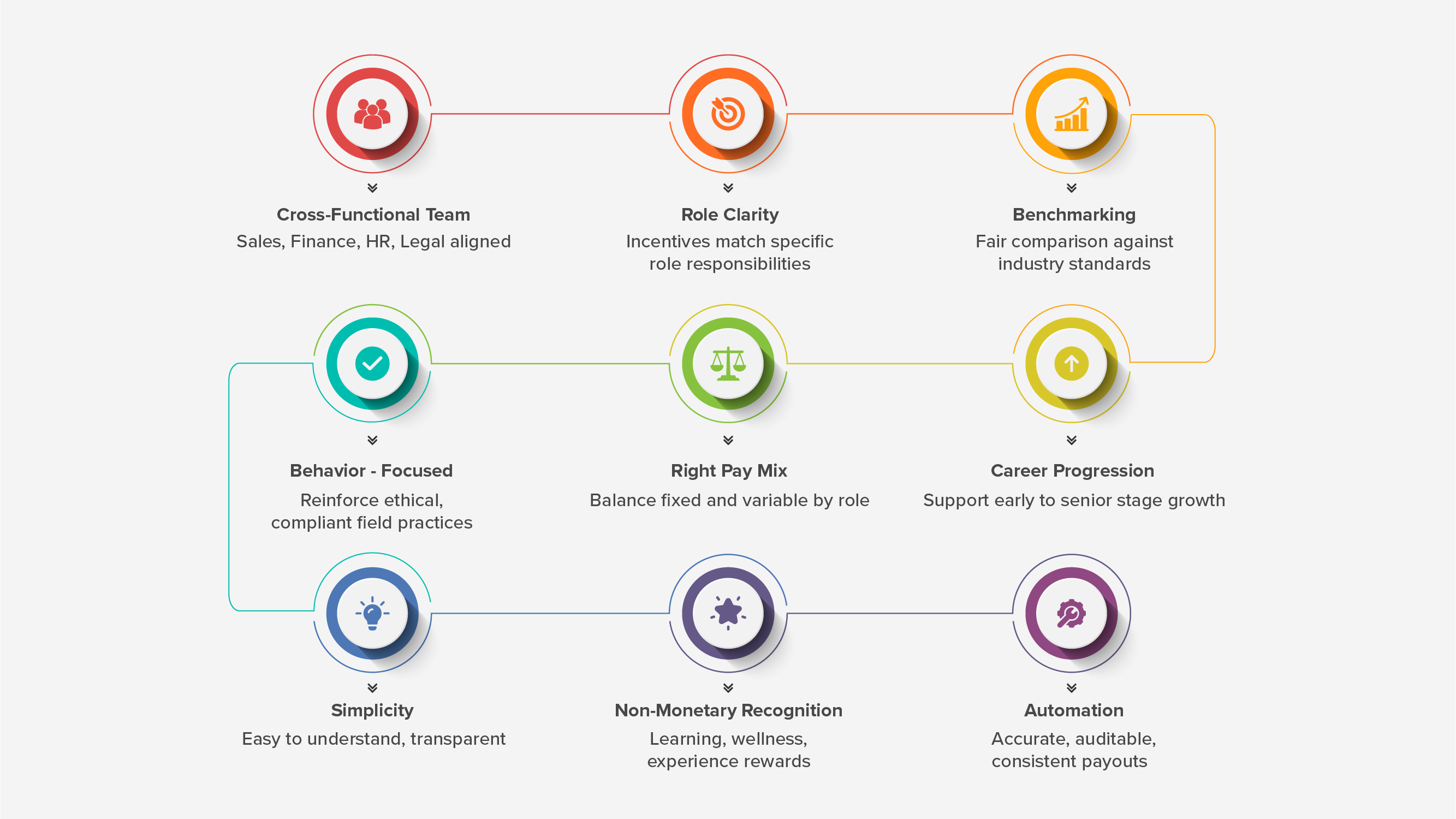
Effective incentive programs begin with understanding what motivates different team members - while staying within ethical and regulatory boundaries.
Key principles include:
Combining financial and non-financial recognition thoughtfully
Offering choice where possible
Ensuring incentives reward effort, preparation, and professionalism
Designing programs that are inclusive, transparent, and sustainable
Importantly, impactful incentives do not always require large budgets. Even simple, well-timed recognition can make a meaningful difference.
23 sales incentive ideas suitable for pharma sales teams
Below are pharma-appropriate incentive ideas, reframed to support motivation, engagement, and wellbeing - without linking rewards to prescribing outcomes or commercial pressure.
Recognition and experience-based incentives
Gift cards that allow personal choice
Fine dining experiences for individuals or teams
Additional paid time off after demanding cycles
Reserved parking privileges for a defined period
Entertainment or cultural event tickets
Winner’s choice rewards within approved limits
Lunch or interaction with senior leadership
“Lead for a day” recognition opportunities
Wellbeing and lifestyle incentives
Gym, yoga, or wellness memberships
Learning and development opportunities
Adventure or outdoor activities
Annual recognition trips (e.g., President’s Club)
Naming a meeting room or recognition space
Wall of recognition or achievement boards
Spa or wellness retreat experiences
Hobby or interest-based memberships
Leisure or short travel experiences
Healthy meal or wellness subscriptions
Personal growth and family-friendly incentives
Technology or productivity tools
Skill-building classes or workshops
Family staycations or short breaks
Books or digital learning subscriptions
Local experience passes (parks, museums, attractions)
Each of these incentives can be positioned as recognition for effort, consistency, and professionalism, rather than transactional rewards.
Making sales incentives meaningful
The effectiveness of any incentive lies not in its monetary value, but in how well it reflects understanding of the individual.
Meaningful incentives:
Align with personal interests and life stages
Are communicated transparently
Are positioned as appreciation, not pressure
Reinforce a culture of trust and respect
Even simple recognition - when delivered sincerely - can have a lasting motivational impact.
How incentives fit into a broader pharma sales readiness program
Sales incentives work best when integrated into a broader engagement and readiness strategy that includes:
Ongoing learning and skill development
Coaching and feedback
Clear expectations around ethical field behavior
Recognition of consistent, compliant execution
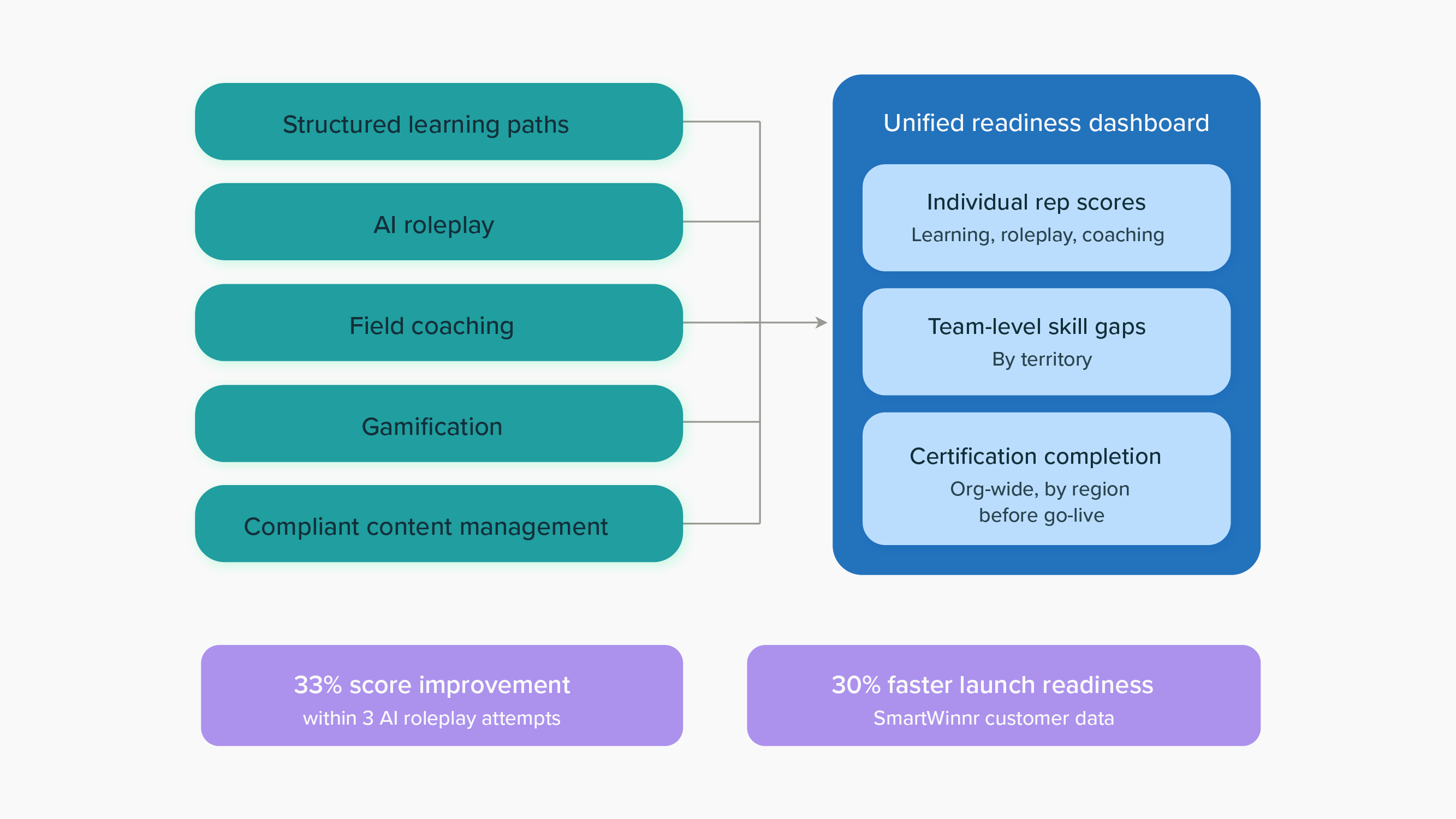
Platforms like SmartWinnr support this approach by enabling organizations to combine engagement initiatives with structured readiness, coaching visibility, and performance insights - helping teams stay motivated, prepared, and aligned.
Final thought
In pharma sales, motivation is sustained not by pressure, but by recognition, clarity, and support.
Thoughtfully designed sales incentives help teams feel valued, engaged, and confident - allowing them to navigate complex professional environments with consistency and integrity.
Disclaimer: This content reflects industry practices and does not constitute medical, legal, or regulatory advice.
Last Updated: