
Smart AI Blog Summary
Get a quick blog summary from any of the below LLM's
What You'll Learn
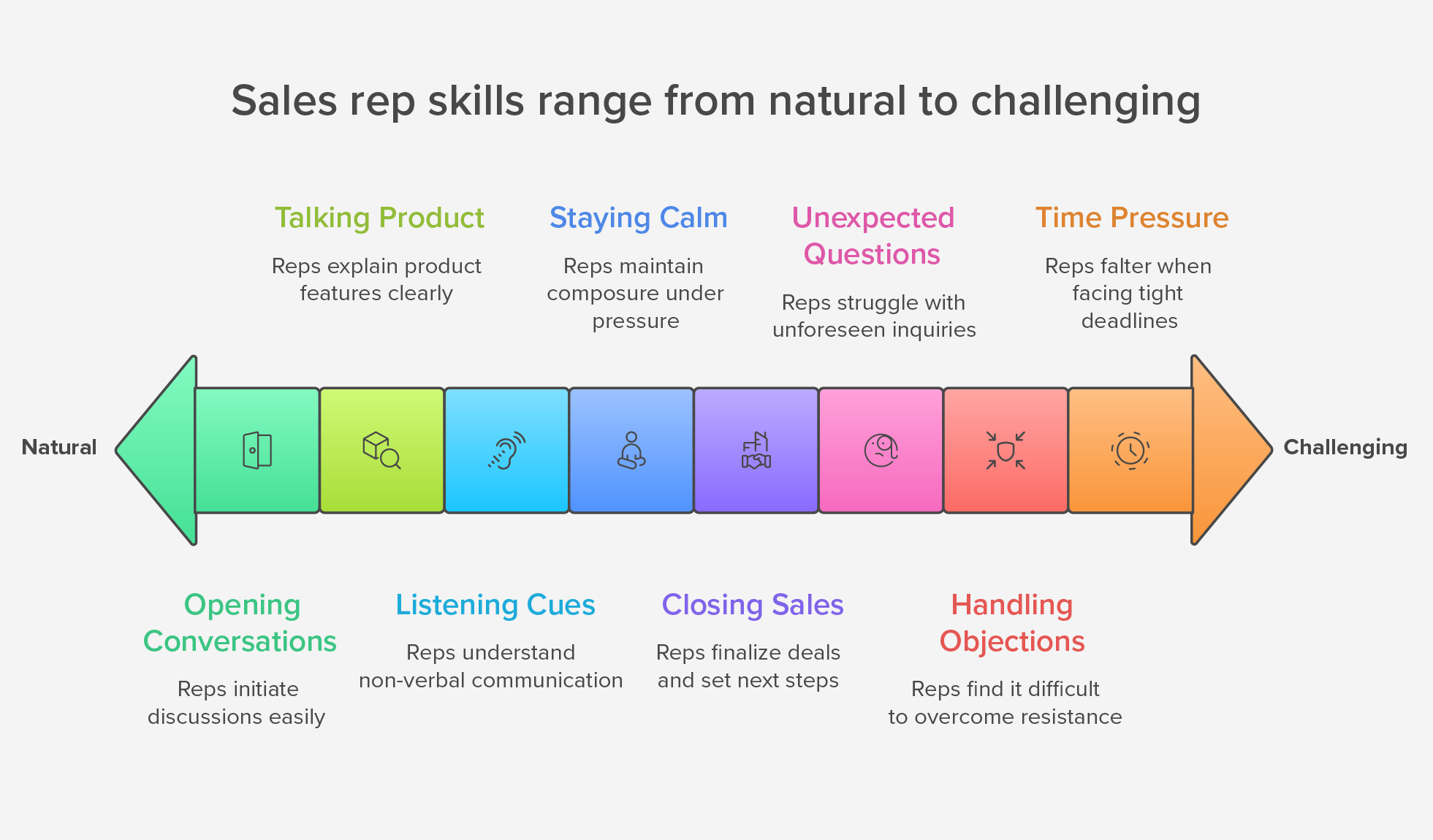
Corporate training programs have long relied on live workshops, manager-led practice sessions, and on-the-job observation to help sales representatives build their skills. While these approaches remain valuable, they present a significant challenge: consistency.
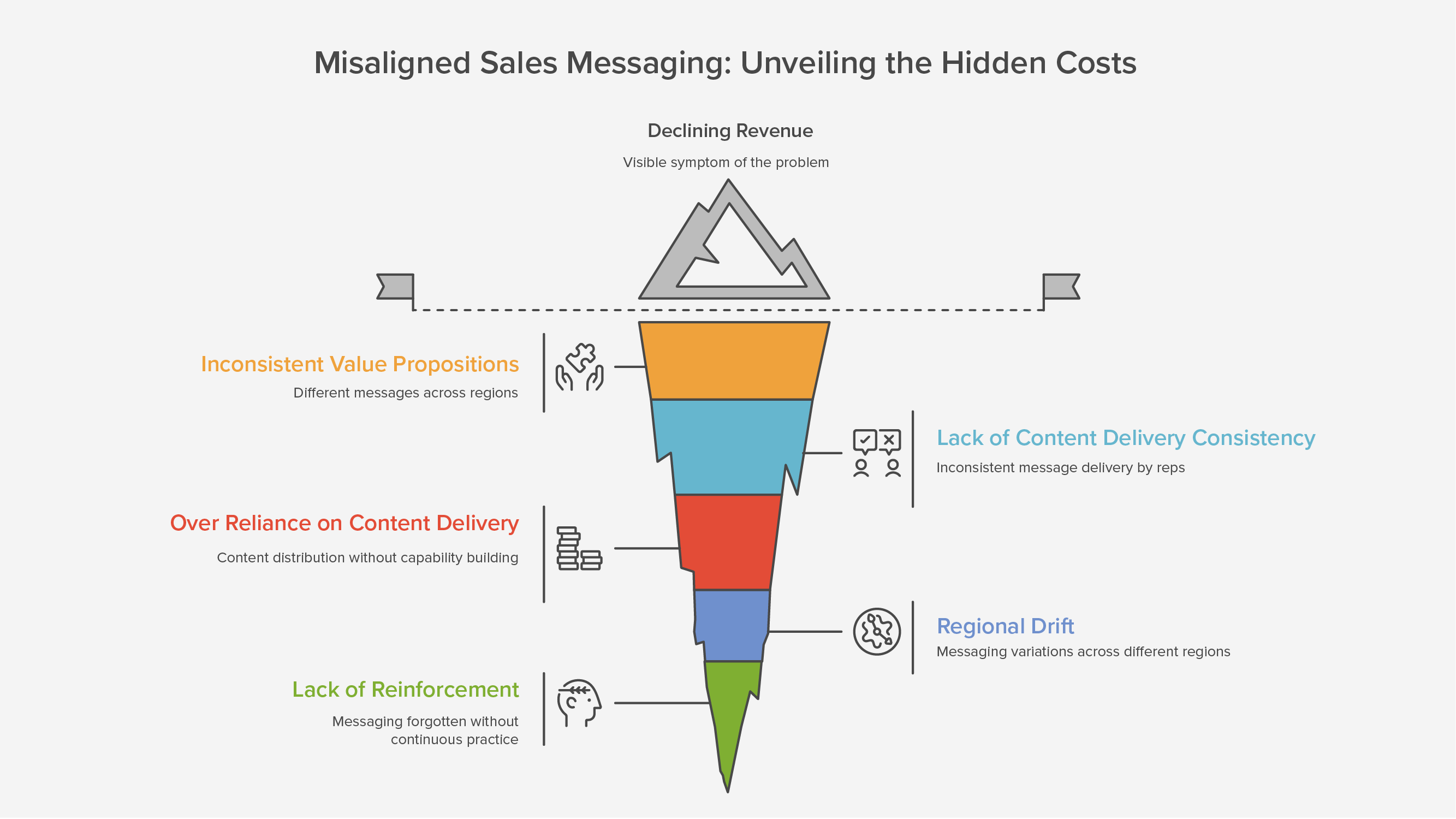
What a new hire learns on day one may differ from what a colleague learned three months later, depending on who delivered the session, how much time was available, and how engaged participants were at that moment.
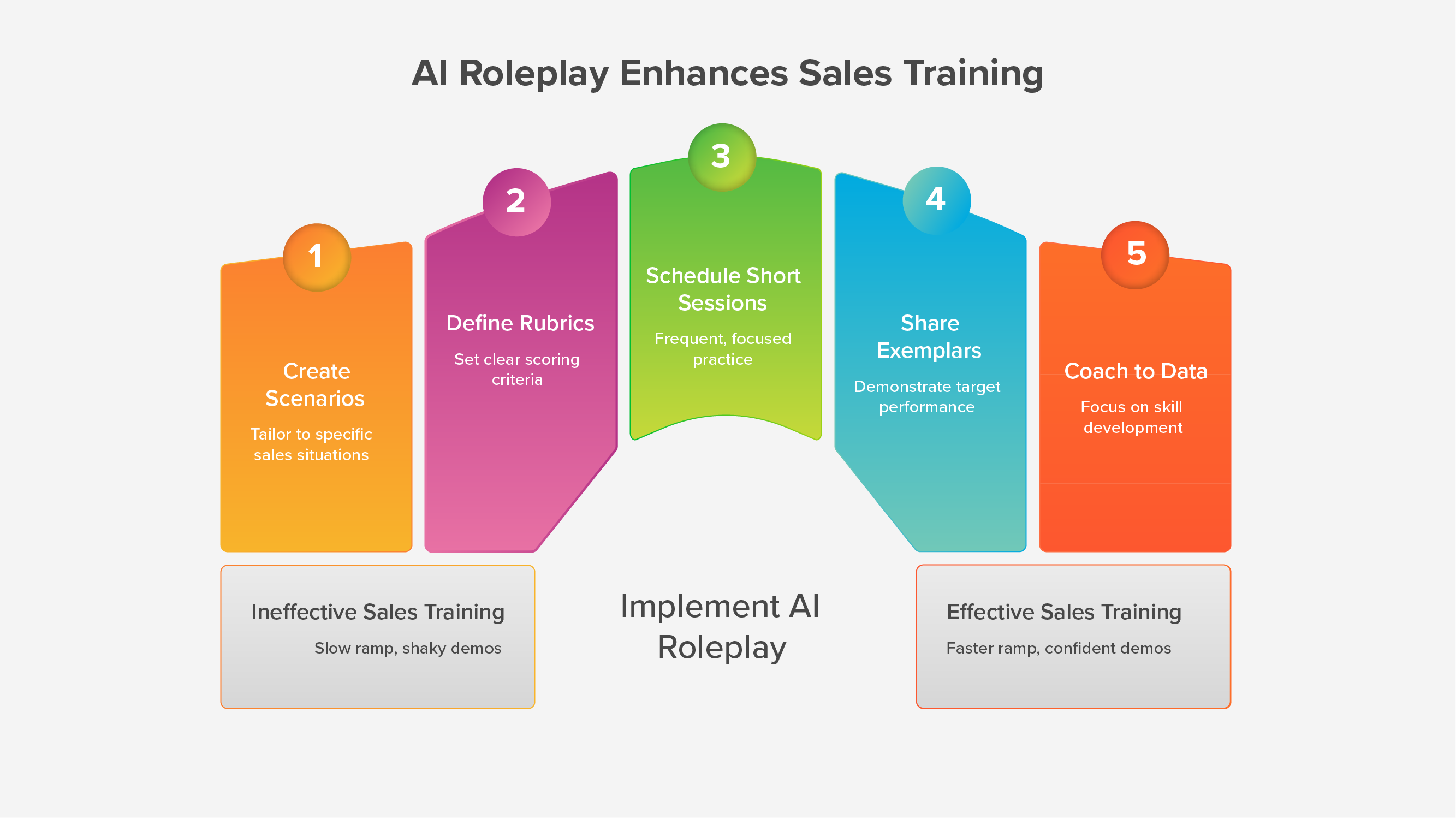
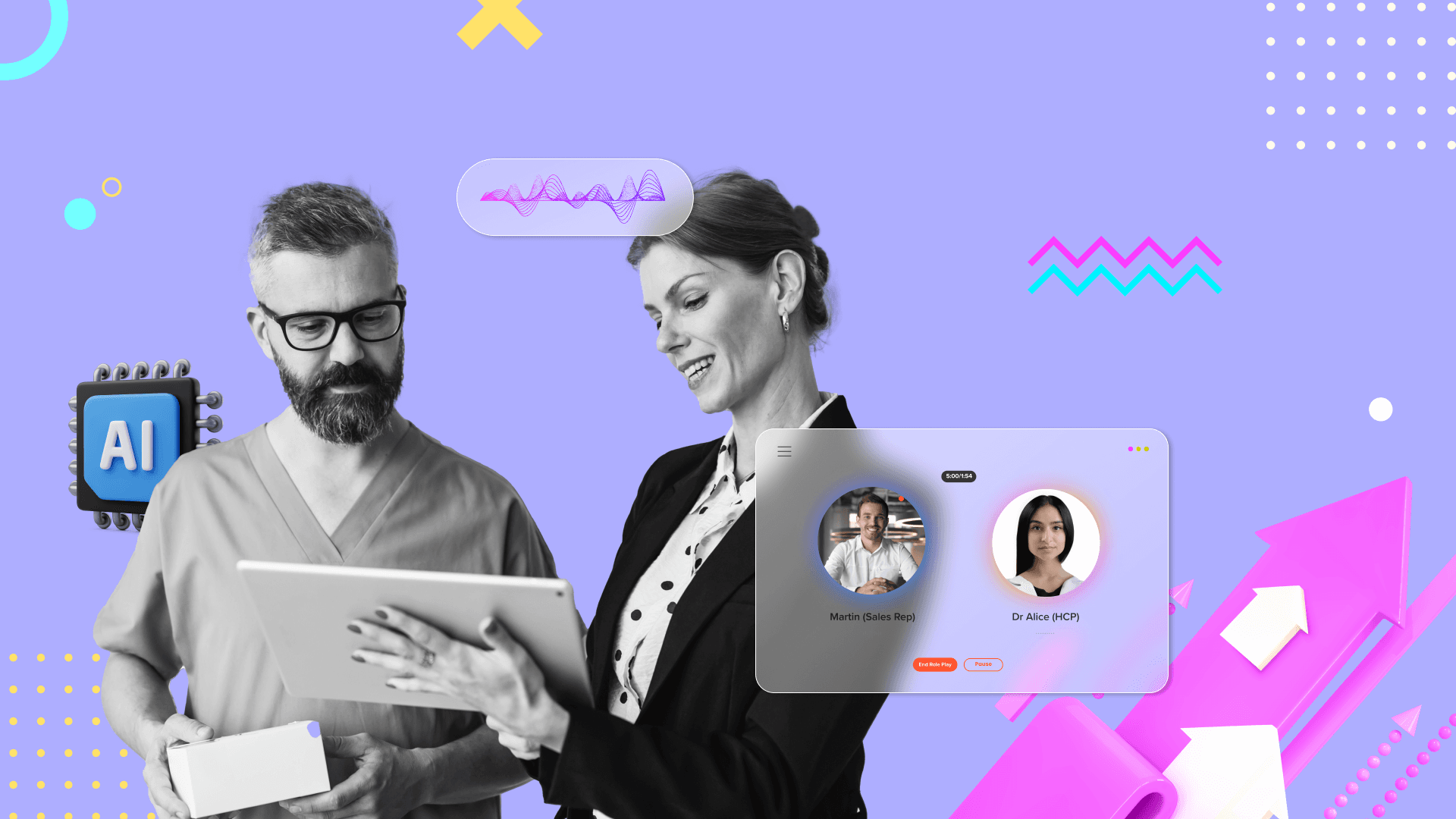
AI coaching roleplay introduces a structured, repeatable layer to the training experience. Instead of waiting for a practice opportunity to arise organically, representatives can engage in guided simulations that replicate real-world conversations.
This article explores how AI coaching roleplay works, why it tends to reinforce learning more effectively than single-session methods, and what organizations in regulated industries such as pharmaceuticals should consider when integrating it into a broader training framework.
What Is AI Coaching Roleplay in Corporate Training?
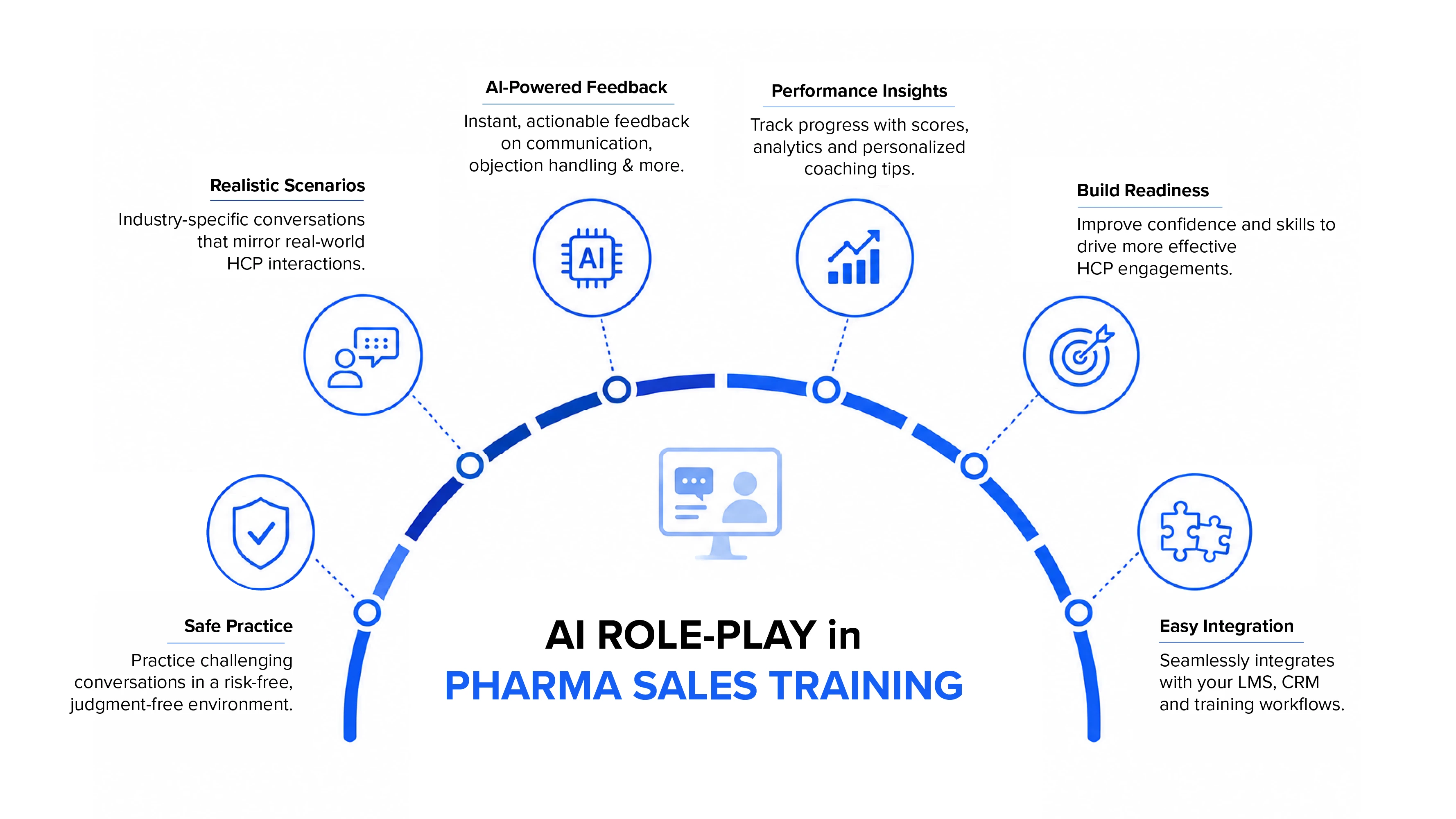
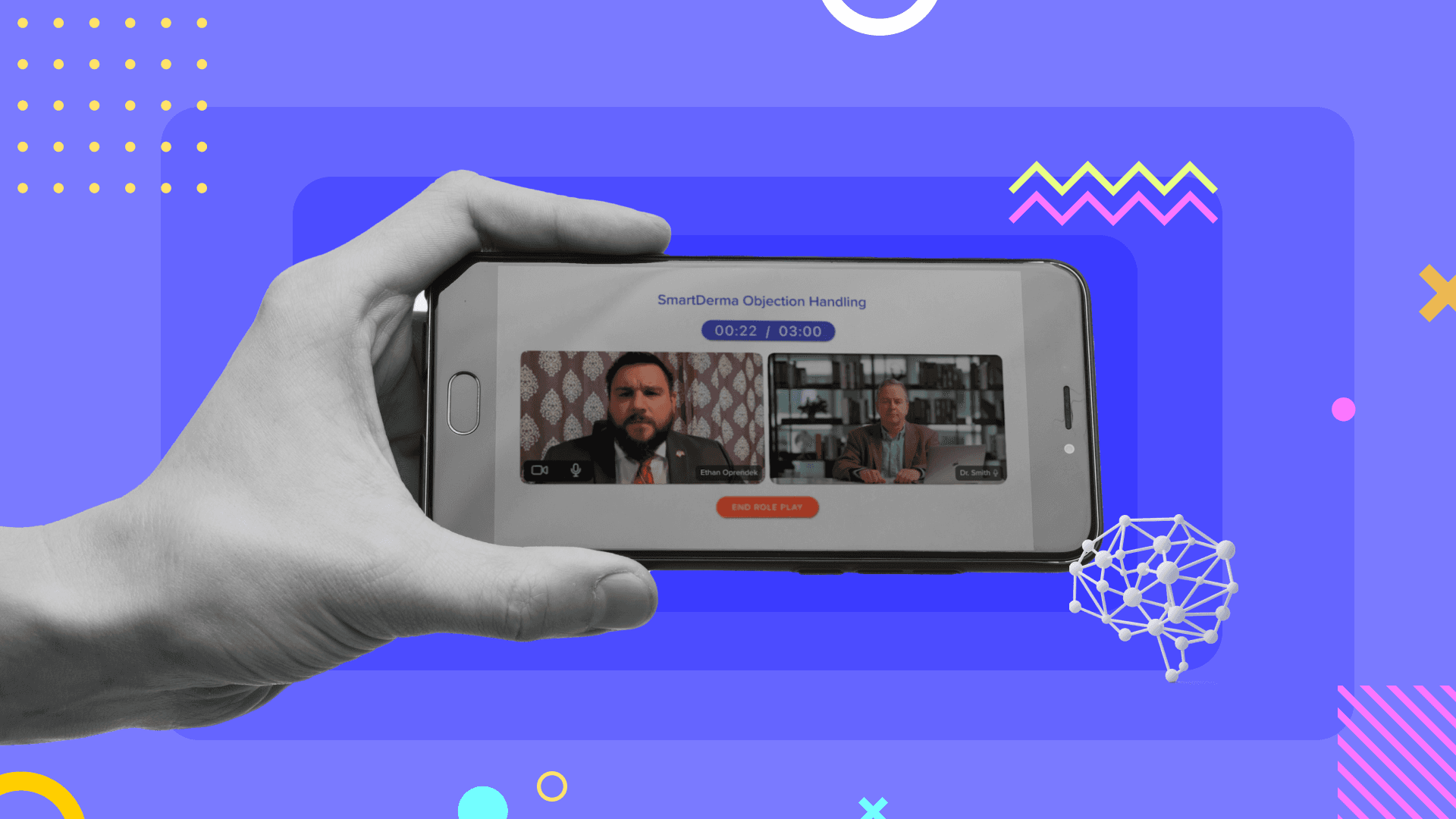
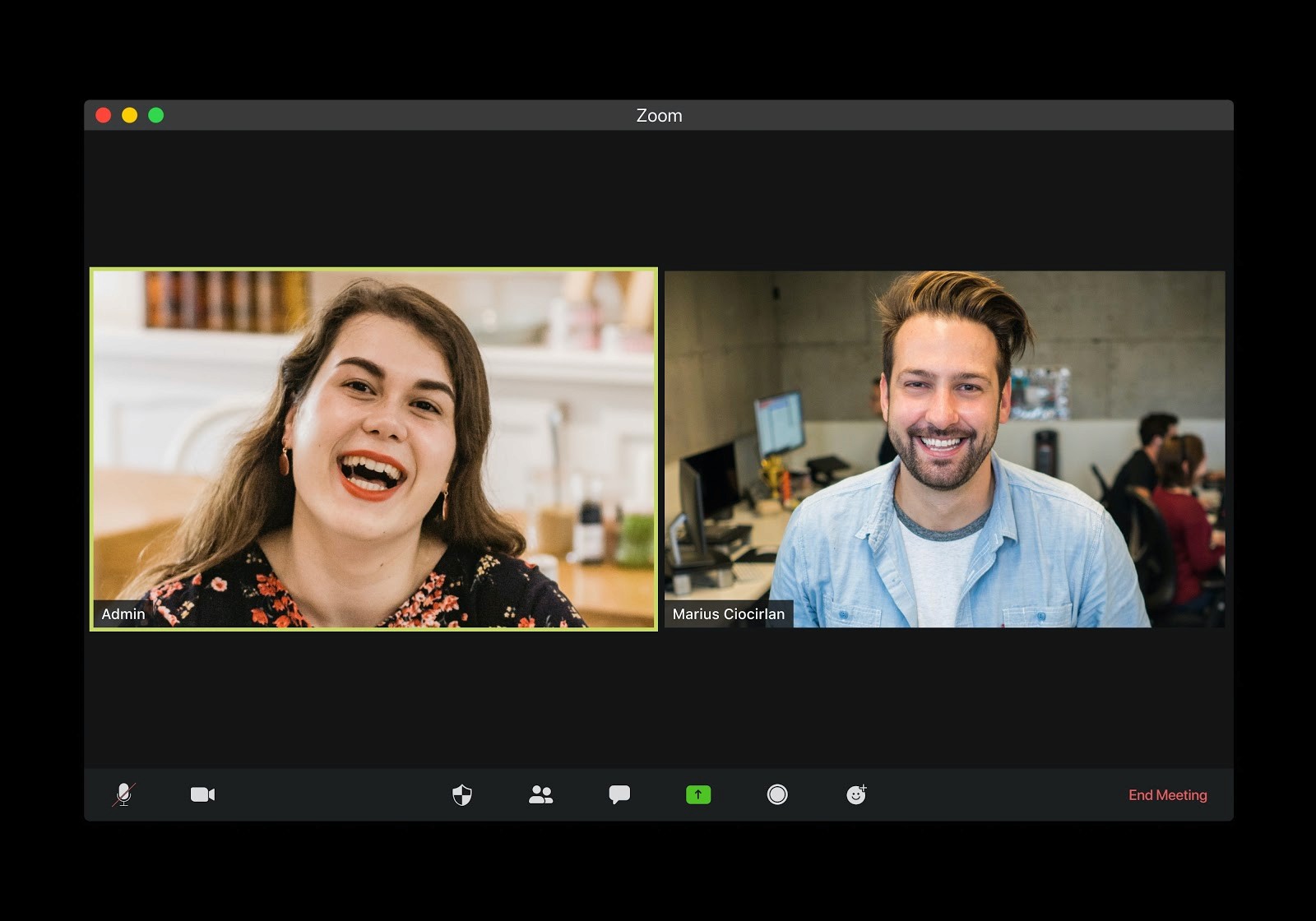
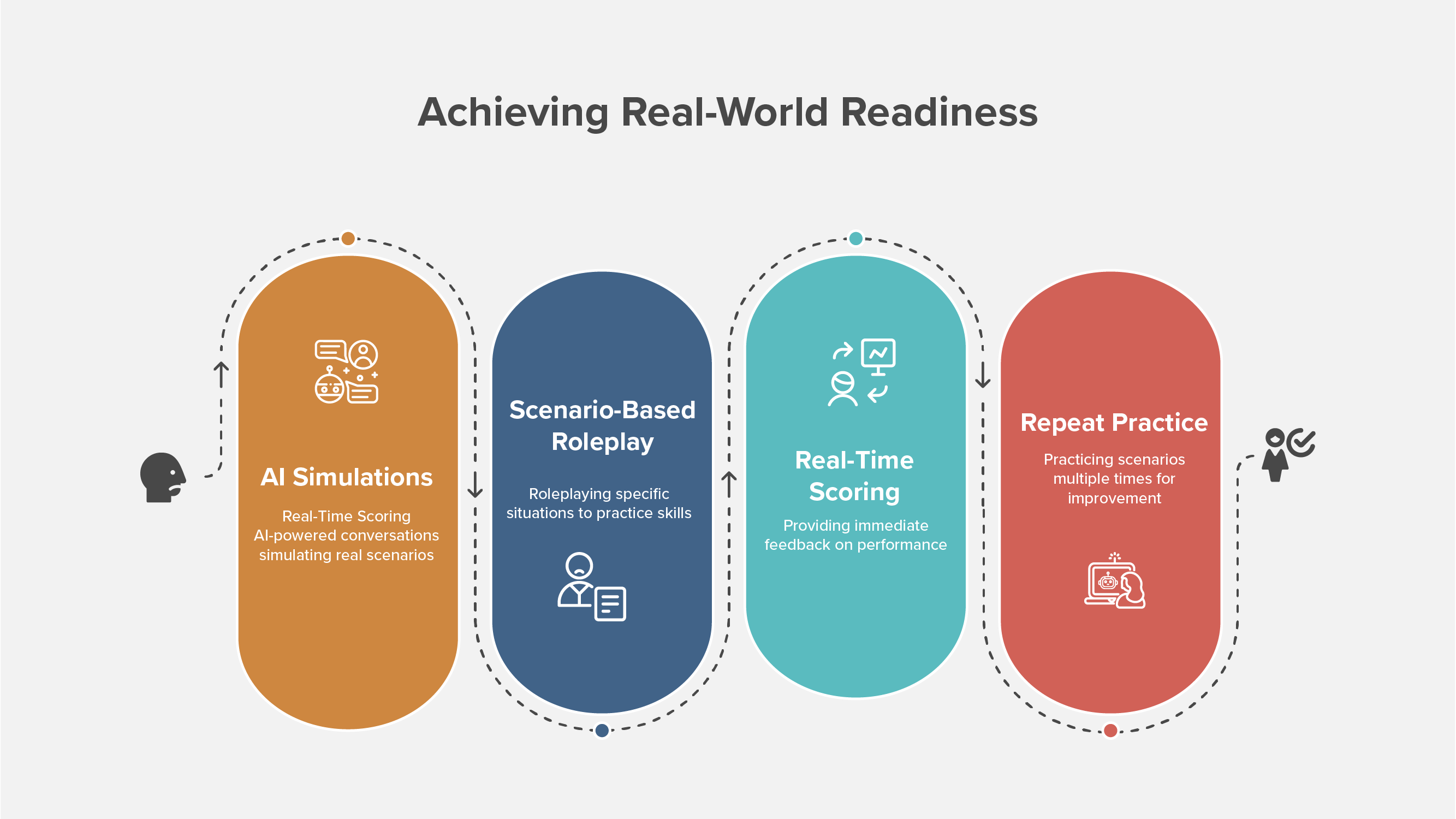
AI coaching roleplay refers to simulated conversation exercises in which a sales representative or field team member practices a structured scenario with an AI-powered counterpart. The simulation may replicate a customer objection, a product discussion, or a situation that requires applying specific messaging frameworks. The AI evaluates responses in real time and provides feedback on clarity, completeness, and alignment with approved content.
Unlike passive learning formats such as video modules or document-based assessments, AI roleplay is active. The representative must respond, adapt, and demonstrate knowledge rather than simply consume it. This distinction is central to why many enablement teams are incorporating it into onboarding and ongoing training programs.
The Core Mechanics: How It Works
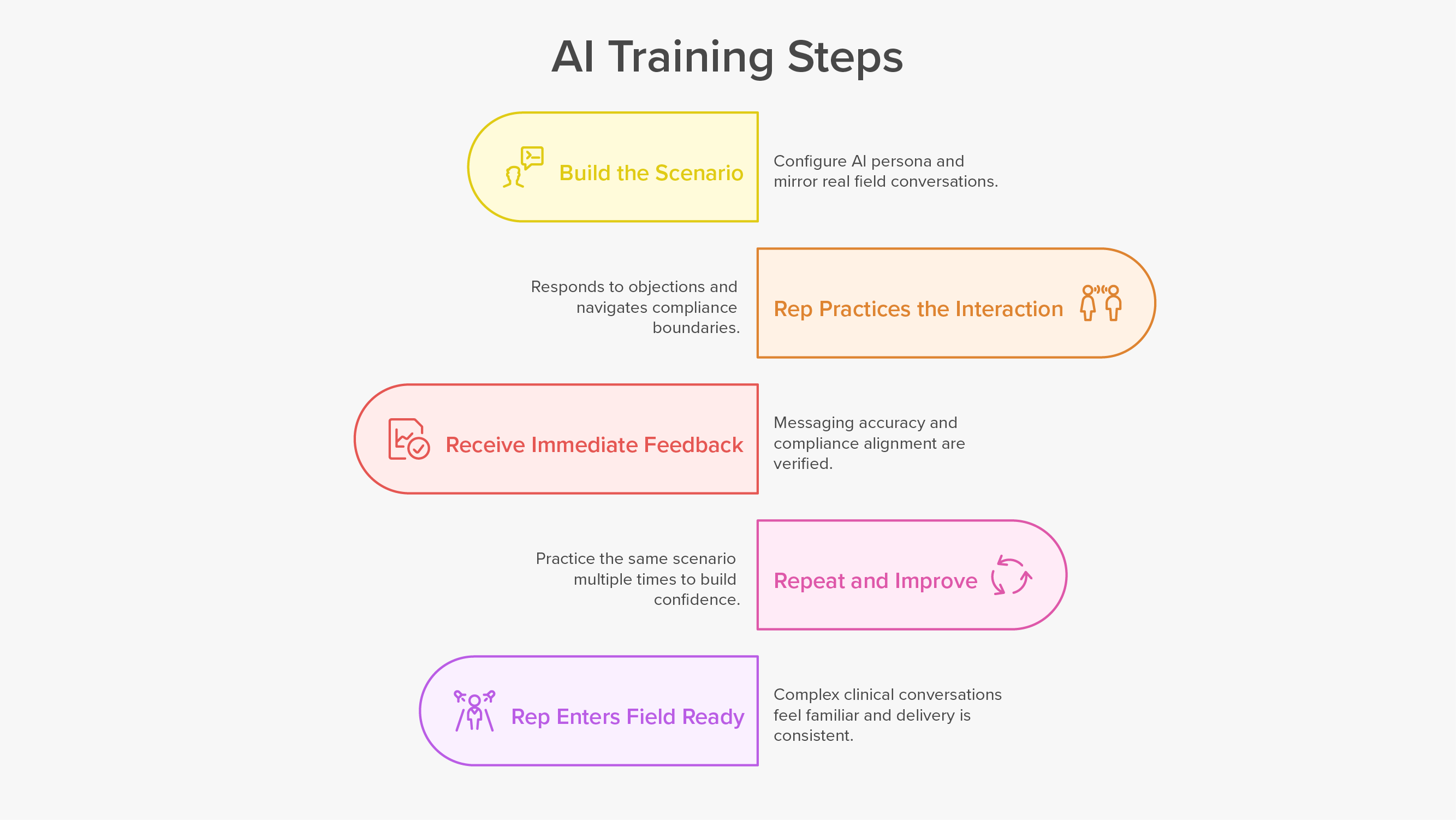
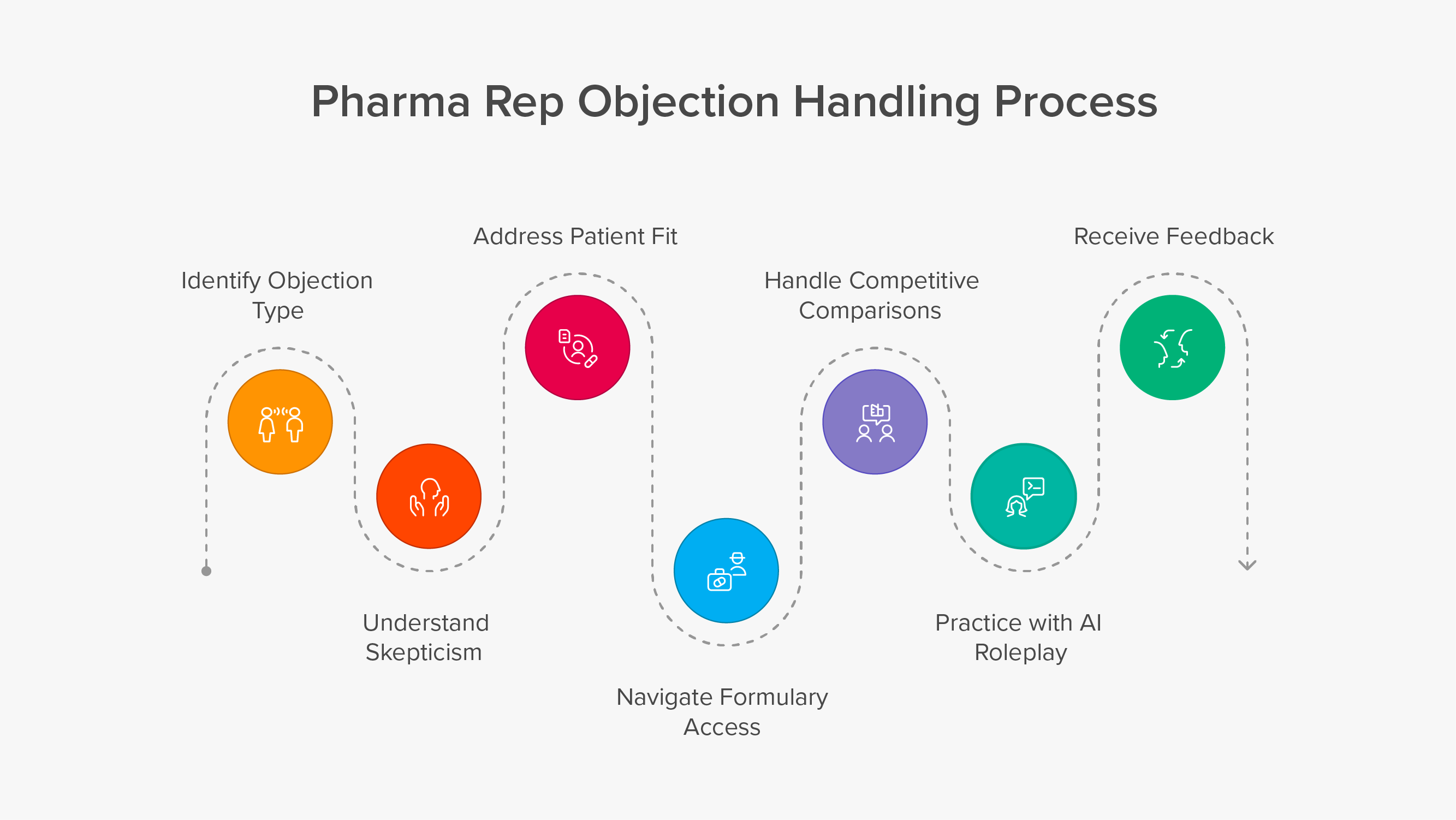
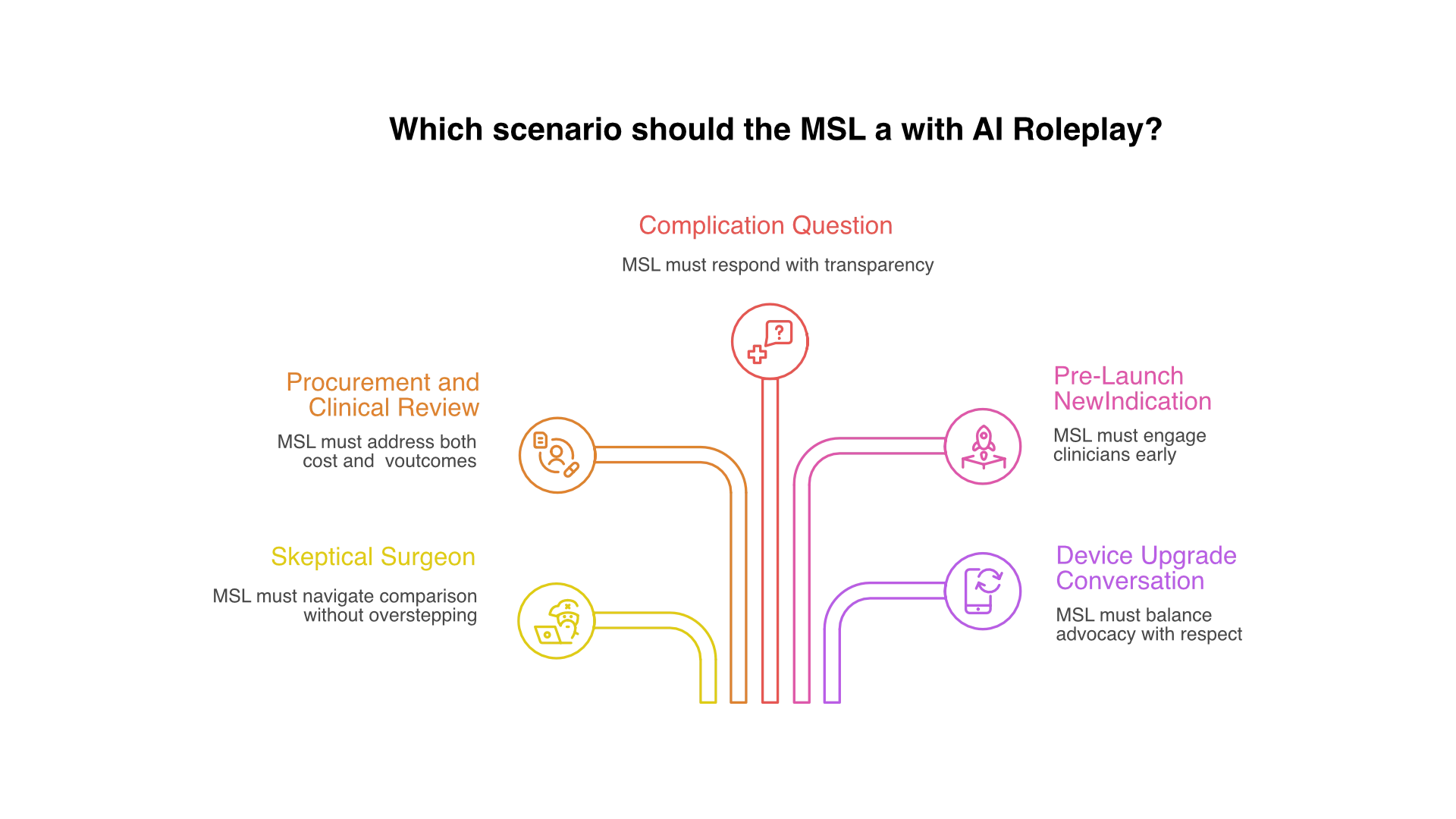
Most AI coaching roleplay platforms structure sessions around predefined scenarios. A scenario might simulate an introductory conversation with a specialist, a follow-up discussion about clinical data, or a moment where a representative needs to address a concern using only compliant messaging. The representative engages with the prompt and receives structured feedback on their response.
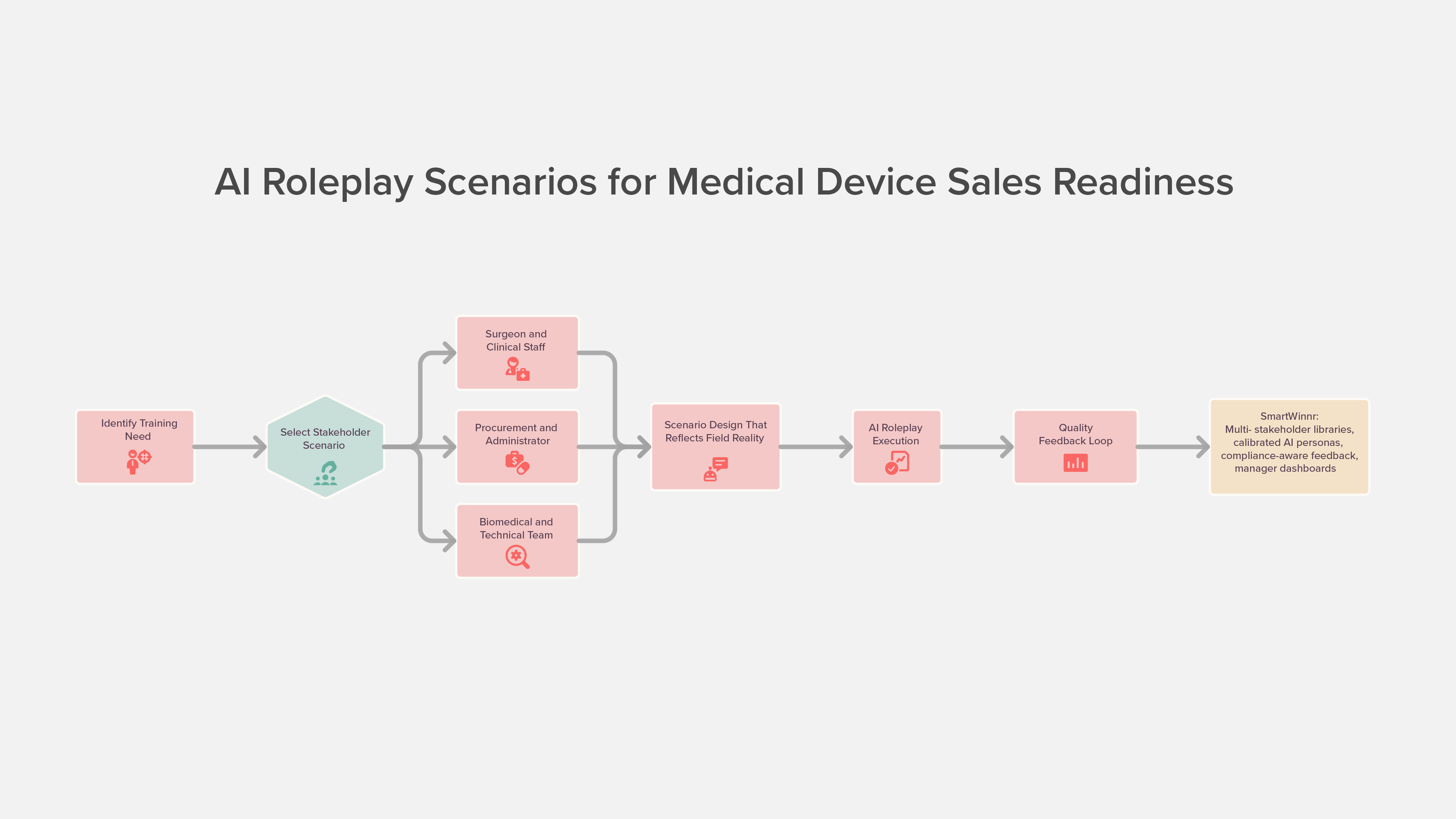
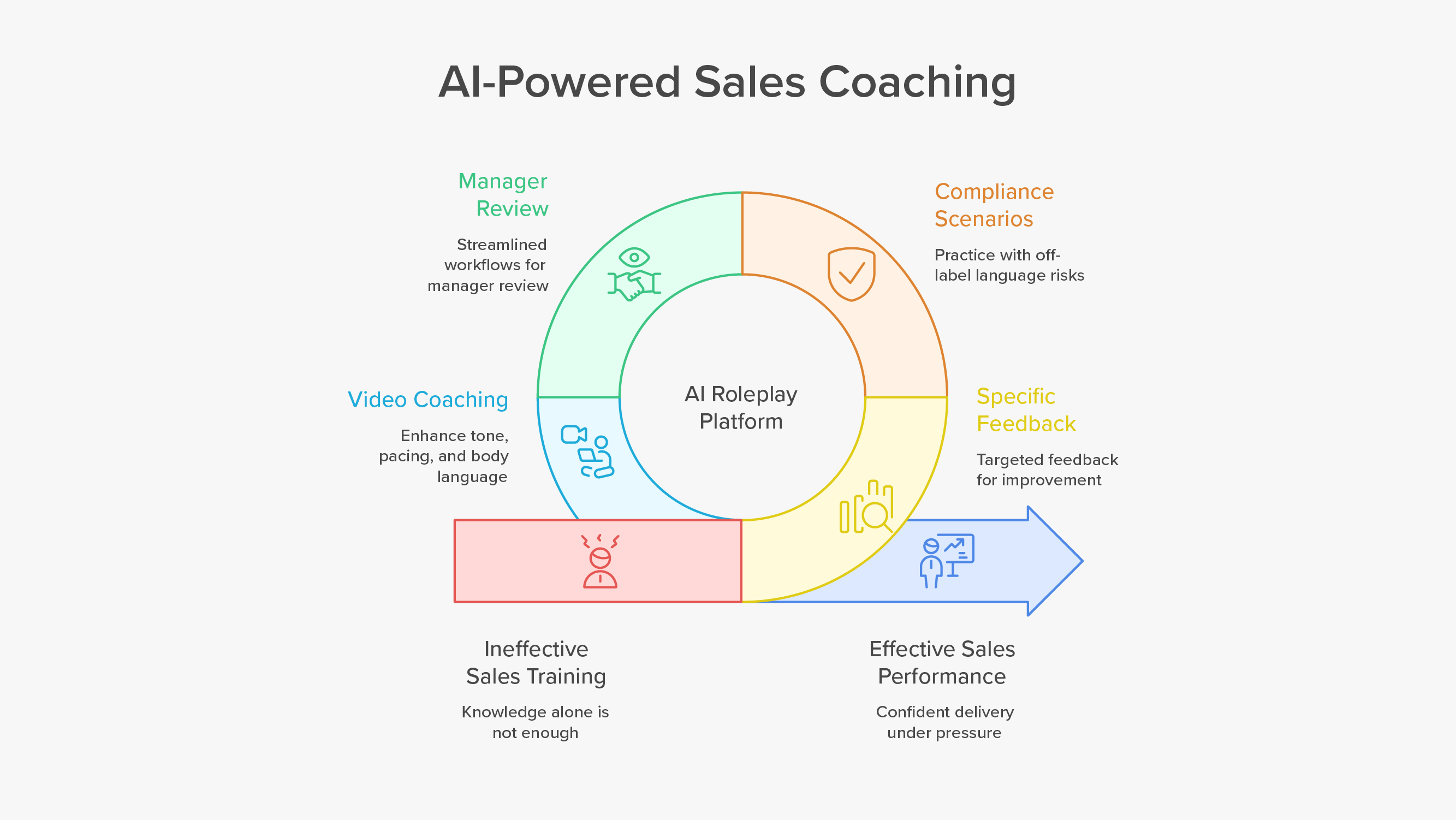
Key mechanics typically include:
Scenario libraries organized by product line, therapeutic area, or customer type.
Branching conversations that adapt based on representative responses.
Automated scoring against messaging frameworks or compliance criteria.
Manager dashboards that surface readiness gaps across the team.
Repetition-based reinforcement, allowing representatives to revisit scenarios until proficiency is demonstrated.
SmartWinnr Platform supports this model through its AI-powered coaching simulations, which are designed to align with the specific messaging requirements of pharma and biotech commercial teams. Read more about the SmartWinnr pharma capabilities page here.
Why Repetition and Feedback Drive Retention
Research in learning science consistently points to spaced repetition and active recall as two of the most effective methods for long-term knowledge retention. AI coaching roleplay naturally incorporates both. Because sessions can be completed at any time and repeated as needed, representatives are not limited to a single opportunity to practice a difficult scenario. They can return to it, receive feedback, identify gaps, and try again.
This is particularly relevant in regulated industries, where the stakes of an imprecise conversation are high. A representative who has practiced a scenario multiple times and received consistent feedback is better prepared to navigate it in a live setting than one who has only encountered it once during a group workshop.
Feedback specificity also matters. Generic encouragement does not build skill. Feedback that identifies a particular gap, such as failing to reference a specific approved claim or omitting a safety consideration, gives the representative a concrete focus for improvement.
Applications in Pharma Industries
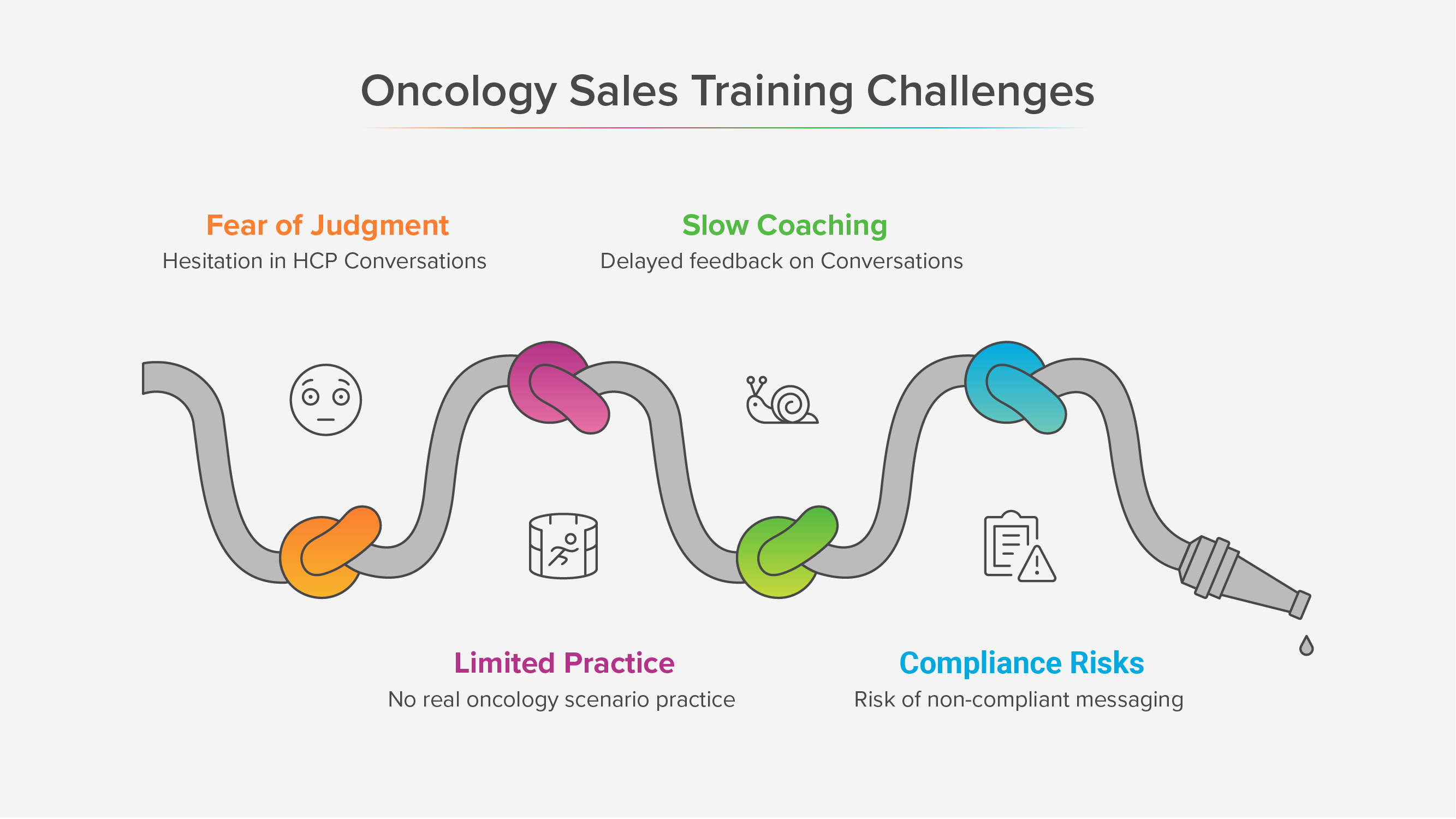
Pharmaceutical and biotech sales teams operate under regulatory frameworks that govern how products can be discussed with healthcare professionals. This creates a unique training challenge: representatives must be knowledgeable, responsive, and precise at the same time. AI coaching roleplay supports this by embedding compliance criteria directly into the simulation design.
Scenarios can be built to reflect territory-specific requirements, therapeutic area nuances, and product lifecycle stages. For teams preparing for a first commercial launch, simulations allow representatives to rehearse messaging before they are in the field, reducing the risk of inconsistent communication during a critical window.
SmartWinnr's pharma-focused capabilities are designed to support readiness in this context, with features that accommodate the specific preparation needs of regulated commercial teams.
How SmartWinnr Supports AI Coaching Roleplay
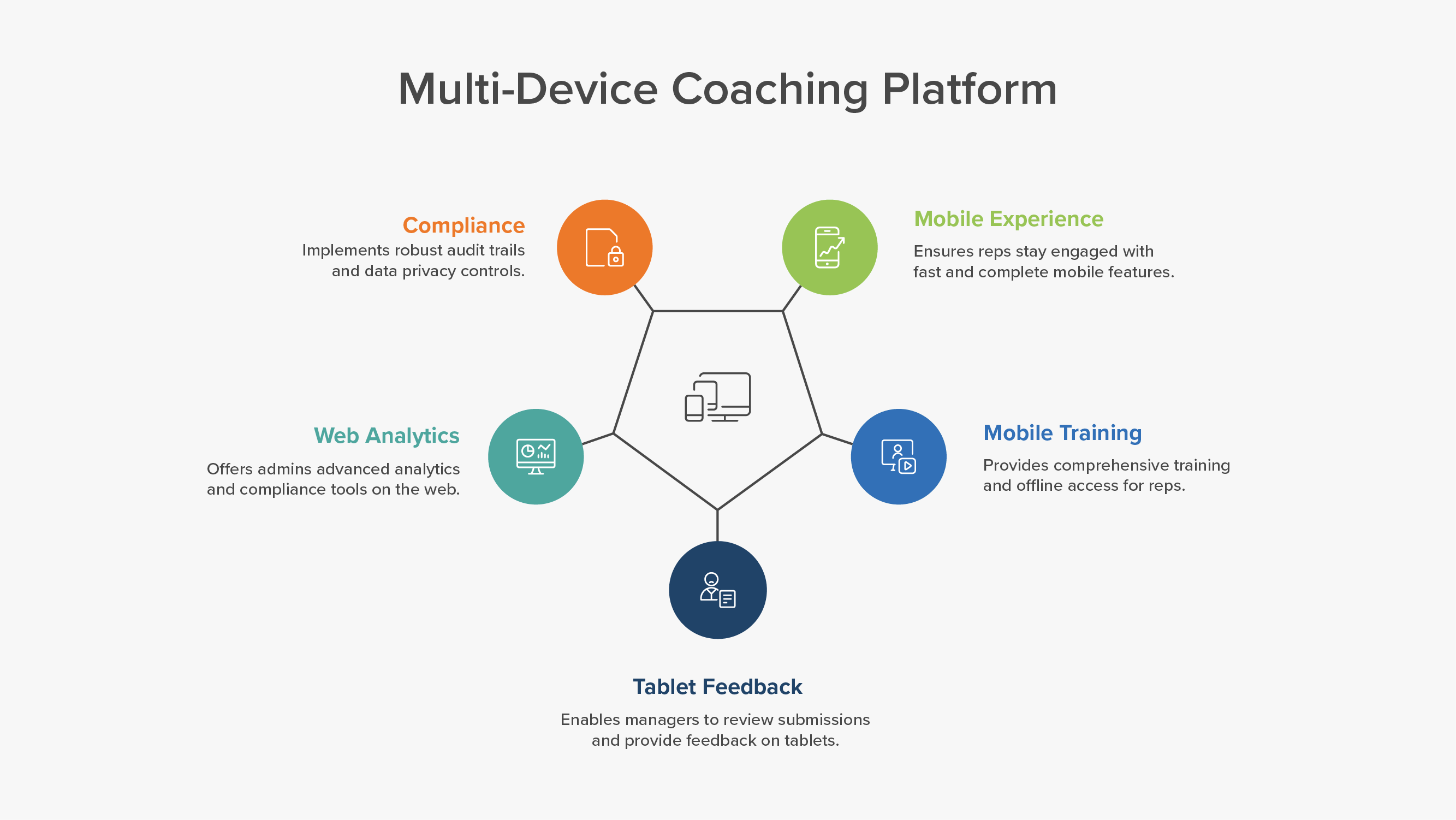
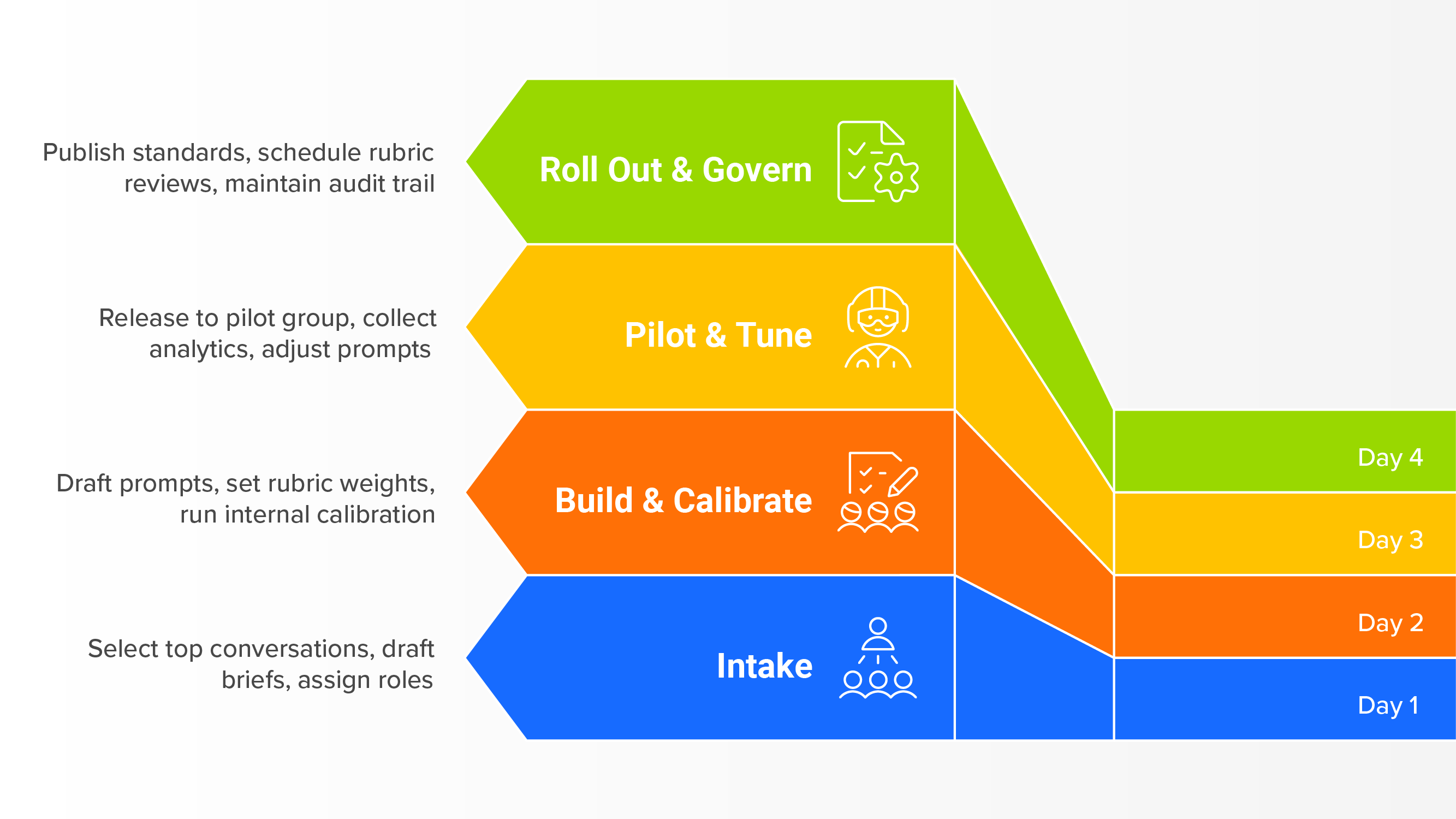
SmartWinnr Platform offers AI-powered coaching simulations as part of its broader sales readiness platform. These simulations are designed to help, pharma and biotech sales teams build confidence and consistency through structured, repeatable practice. The platform enables managers to assign scenarios based on role, territory, or product focus, and tracks completion and performance at the individual and team level.
Field teams can access simulations on mobile and web, making it practical for representatives to practice between visits or during downtime. Managers receive visibility into readiness indicators without needing to conduct every practice session themselves.
What to Consider Before Implementing
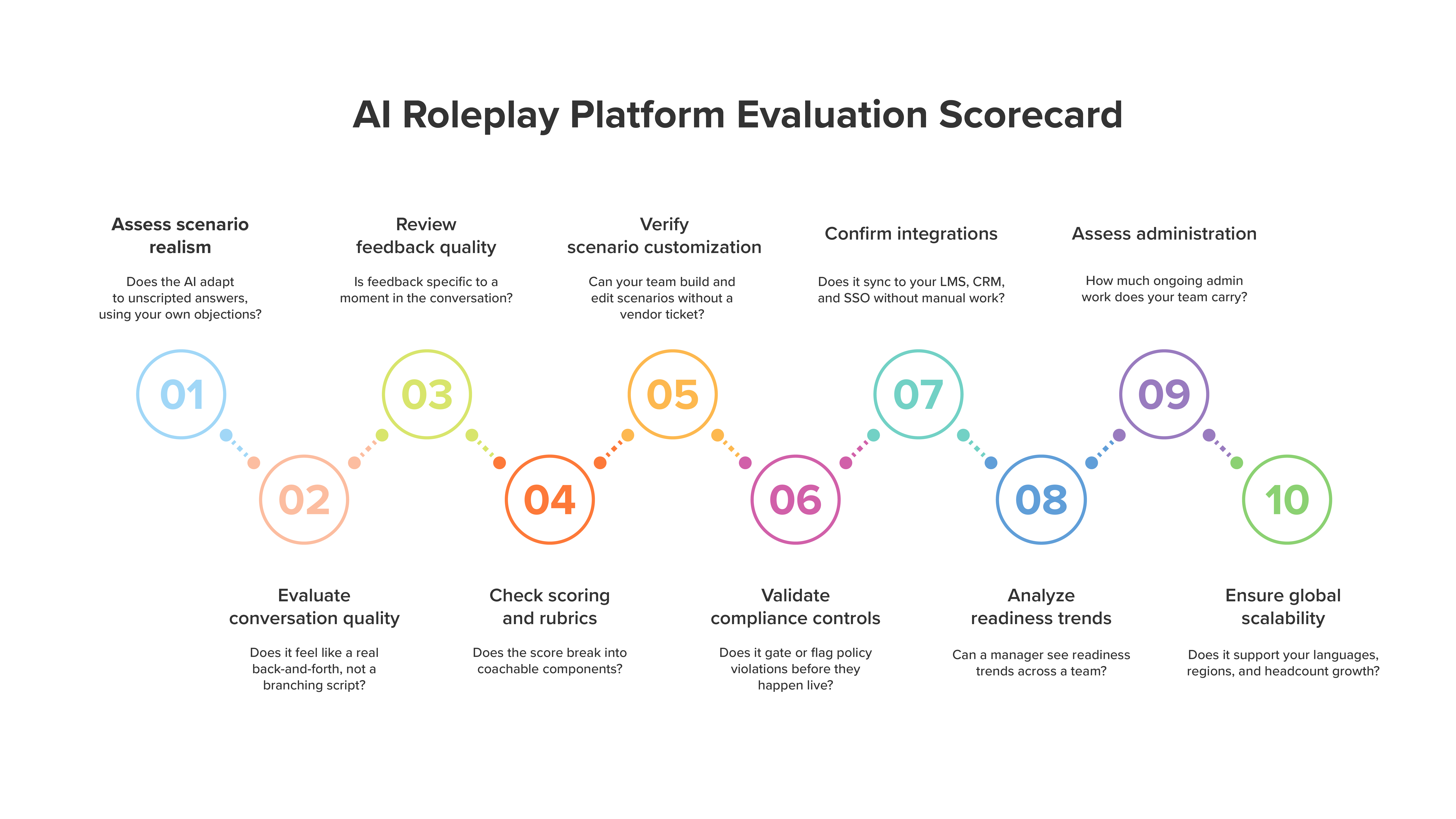
Organizations exploring AI coaching roleplay for corporate training should consider several practical factors:
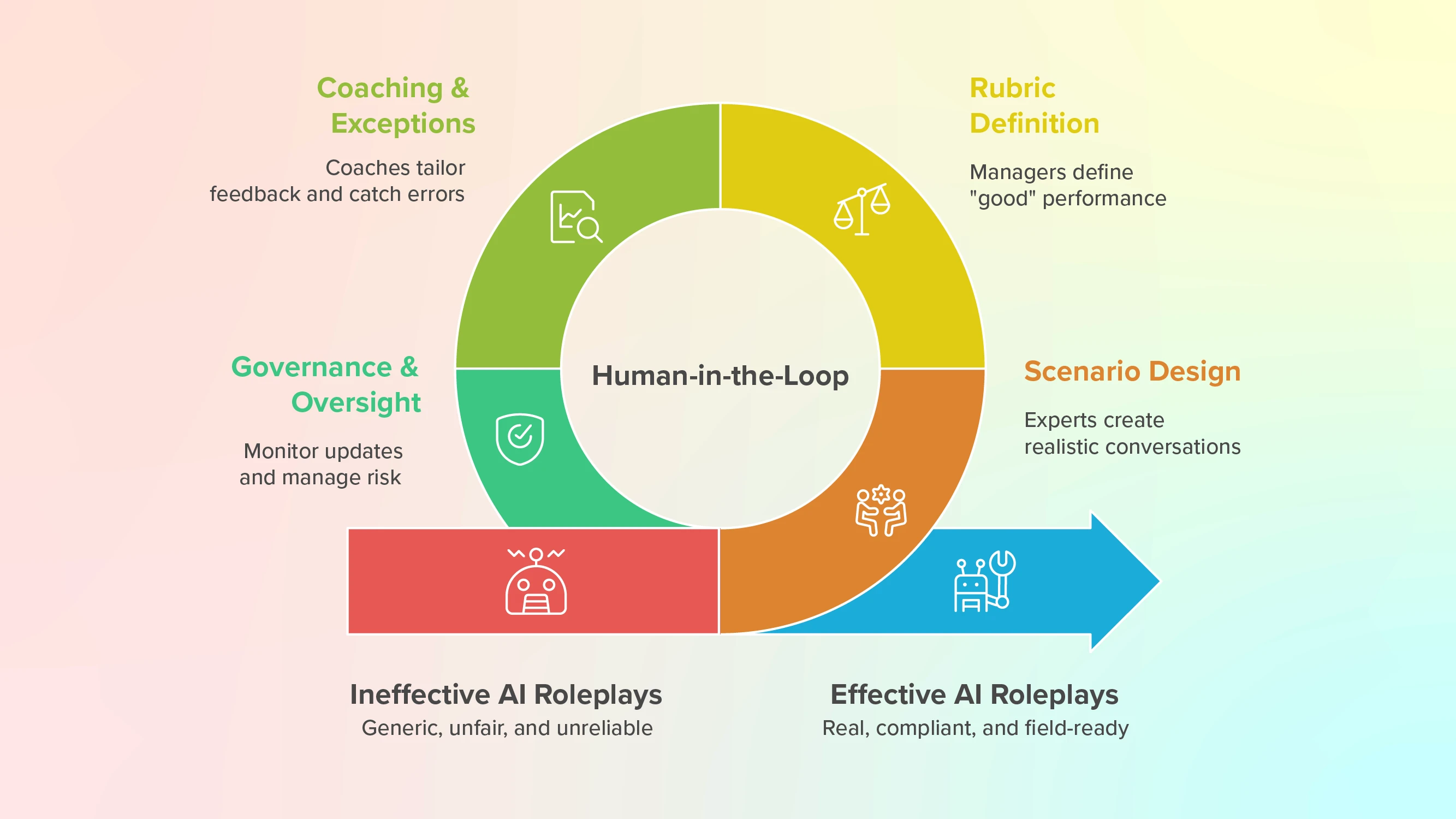
Scenario quality: The effectiveness of the simulation depends on the quality of the scenarios. Content should reflect real situations the team encounters and be reviewed for compliance alignment before use.
Feedback calibration: Automated feedback should be specific enough to drive improvement, not just indicate pass or fail.
Integration with existing programs: AI roleplay works best as a complement to, not a replacement for, manager coaching and field observation.
Adoption planning: Representatives are more likely to engage consistently when the practice expectation is clear, and the tool is accessible on the devices they use.
Measurement: Readiness indicators should be connected to observable behaviors, not just completion rates.
Closing Thoughts
AI coaching roleplay is becoming a recognized capability in corporate training, particularly for organizations where consistent messaging and regulatory preparedness are priorities. It offers a way to extend the practice window beyond structured classroom time, give representatives more opportunities to refine their skills, and give managers clearer visibility into where support is most needed.
For pharma and biotech commercial teams, it represents one component of a broader readiness approach that combines technology, human coaching, and thoughtful scenario design.
Request a Demo to understand how SmartWinnr supports pharma sales readiness through AI roleplay, coaching simulations, and compliant skill reinforcement.
Disclaimer: This content reflects industry practices and does not constitute medical, legal, or regulatory advice.
Last Updated: