
Smart AI Blog Summary
Get a quick blog summary from any of the below LLM's
What You'll Learn
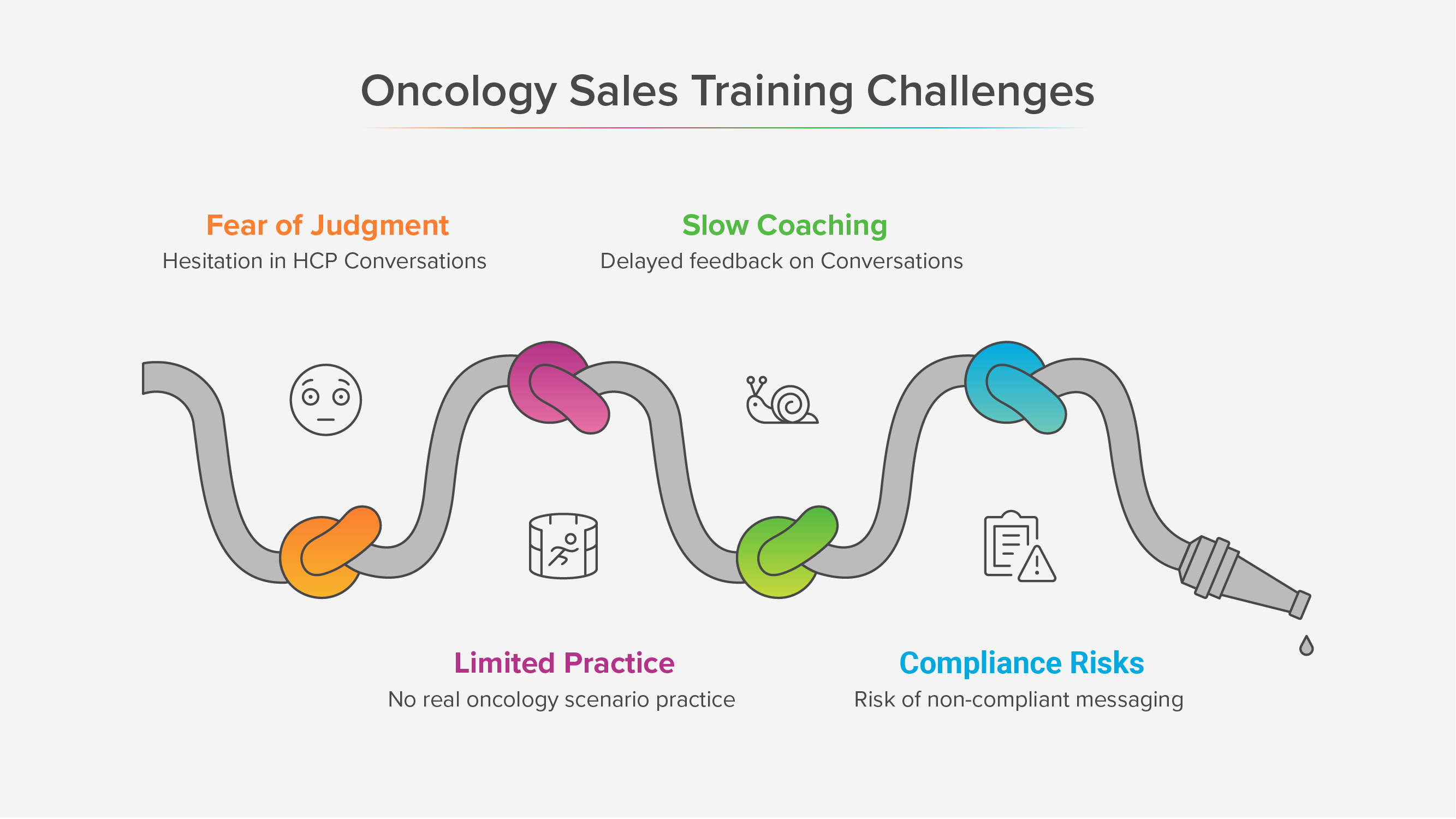
AI roleplay scenarios give your pharma reps a structured way to close the gap between knowing a product and being able to talk about it credibly, compliantly, and confidently in front of a challenging HCP. That gap is one of the most persistent and commercially consequential challenges in pharmaceutical sales training.
Product knowledge assessments measure information retention. HCP interactions demand something far more complex: the ability to apply clinical knowledge fluently in real time while balancing compliance, scientific credibility, relationship dynamics, and situational judgment. Your reps build that judgment through structured, realistic, feedback-rich practice, not by reading approved messaging documents alone.
In 2026, AI roleplay is the most scalable mechanism available to your organization for building that practice at the volume it takes to develop genuine conversational fluency across your entire field team. This blog walks through why AI roleplay is gaining traction in pharma sales training, and what the most practical and clinically grounded scenario frameworks actually look like.
What Are AI Roleplay Scenarios for Pharma Sales Reps?
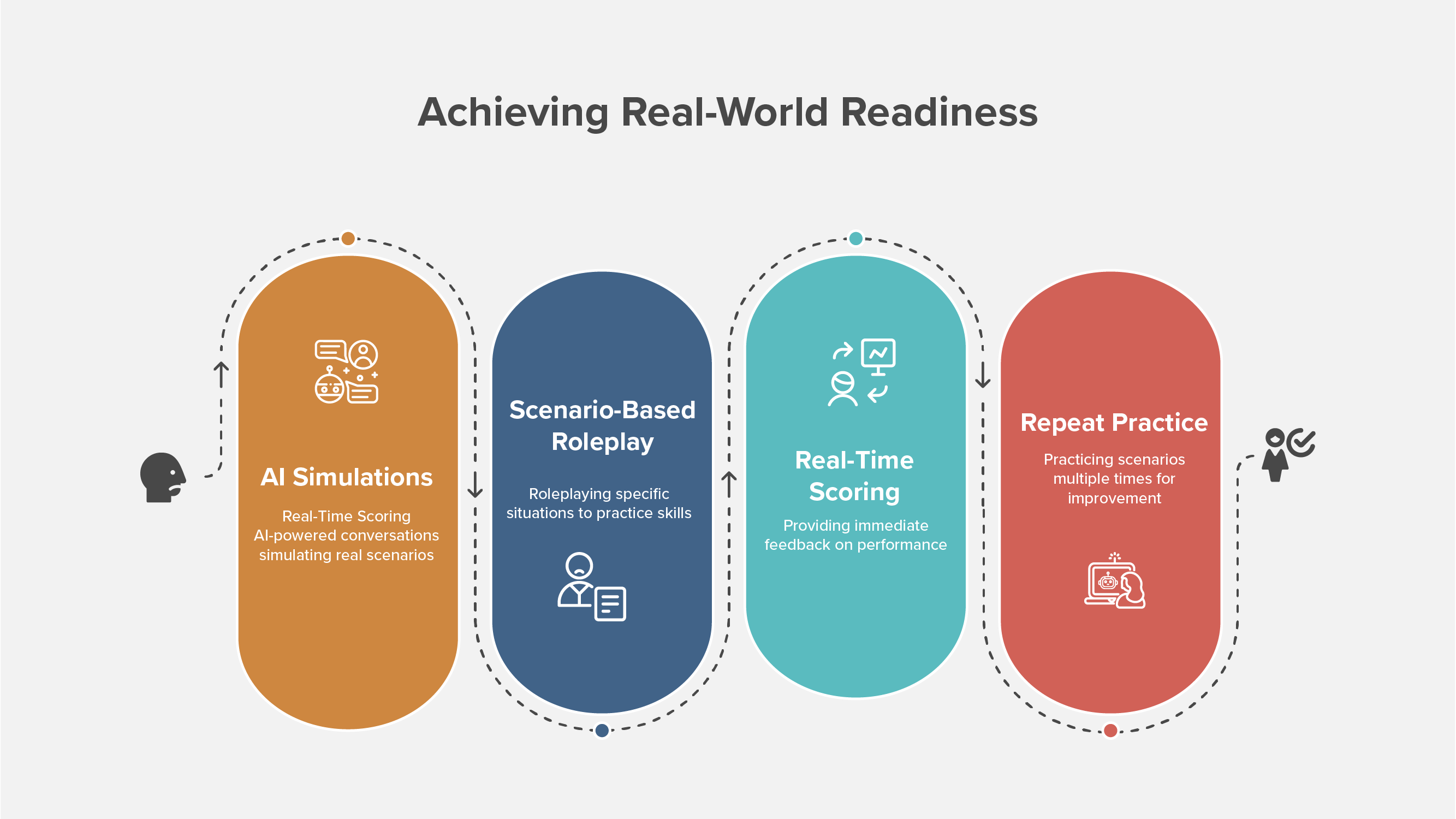
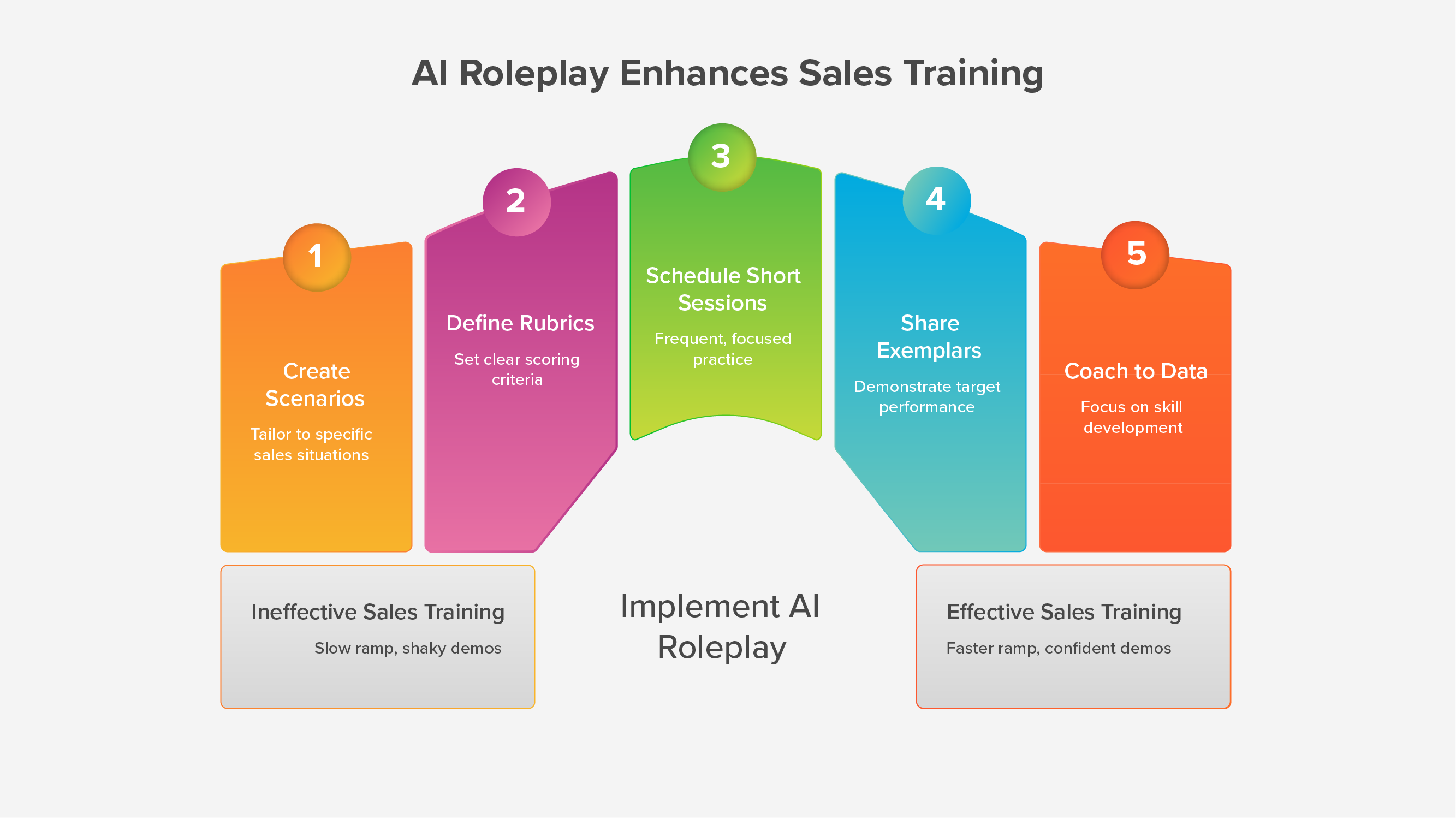
AI roleplay scenarios are structured, two-way practice conversations in which your reps engage with an AI-simulated HCP, payer, or committee persona to rehearse clinical, access, or objection-handling conversations before they happen in the field. Each scenario is scored for message adherence, clinical accuracy, and conversation quality, giving your reps repeatable practice and your managers objective visibility into readiness.
Why Is AI Roleplay Gaining Traction in Pharma Sales Training?
The growth of AI roleplay in pharma sales training is not simply a technology adoption trend. It is a response to a genuine scalability problem that traditional roleplay approaches cannot solve at the volume that meaningful field readiness requires.
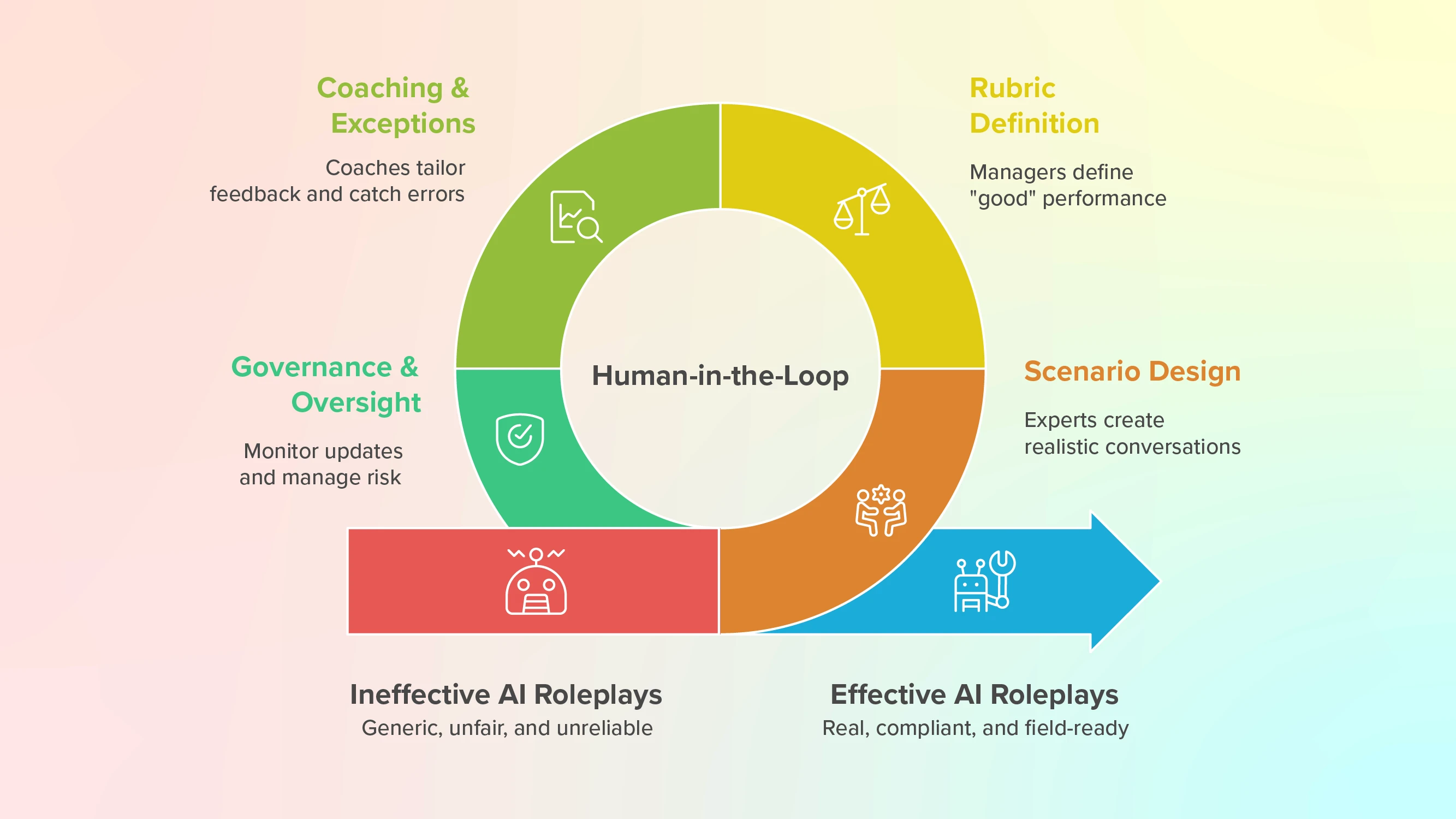
Manager-facilitated roleplay is constrained by manager time, geographic distribution, and the inconsistency of feedback quality across different managers and regions. AI roleplay removes those constraints for your team.
The specific advantages driving AI roleplay adoption in pharma field teams include:
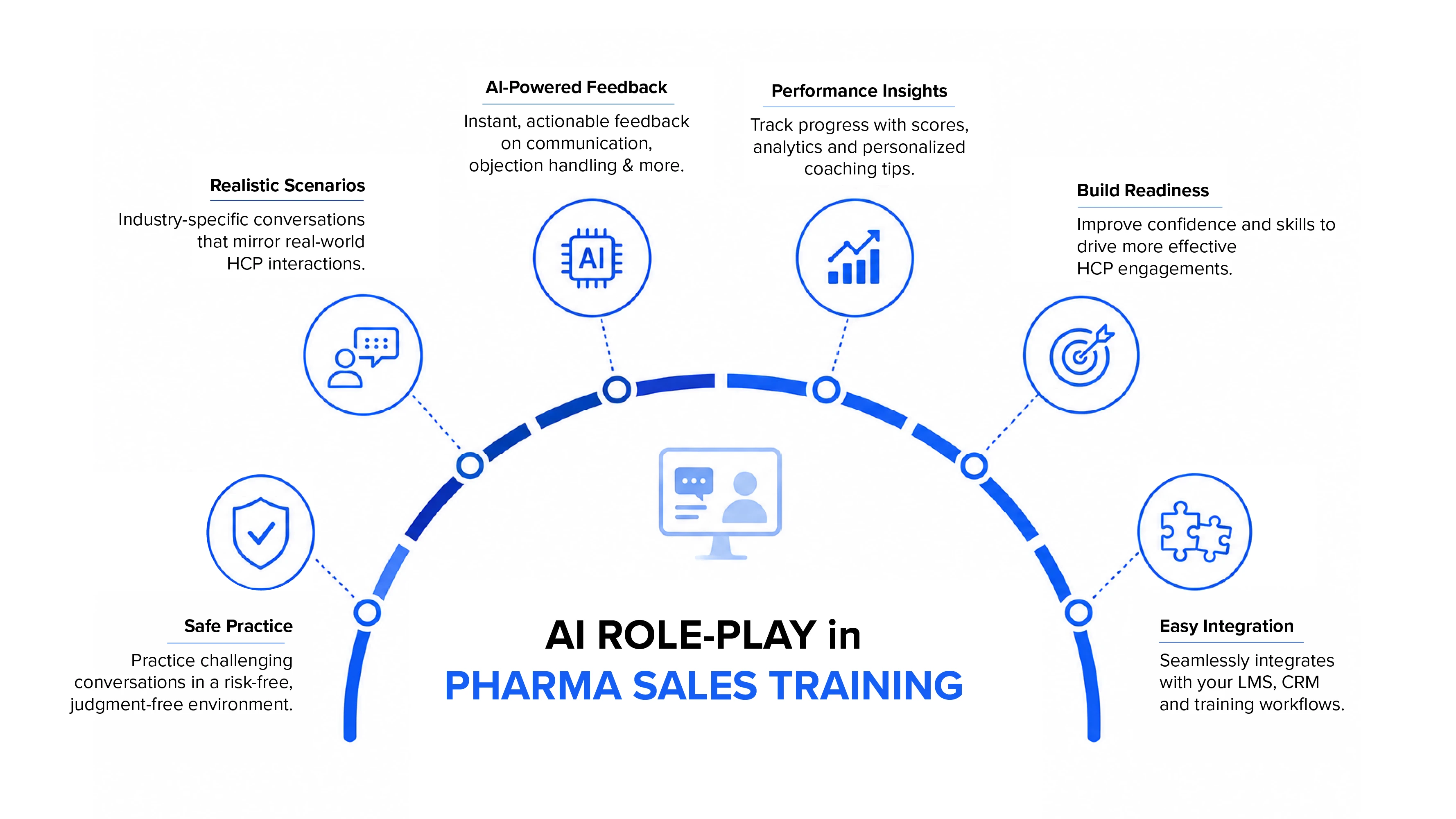
Scale and consistency: every rep in your field organization can access the same quality of structured scenario practice regardless of location, manager availability, or the training event calendar.
Safe practice environment: your reps can practice challenging conversations without the social and professional risk of performing poorly in front of a manager or a real HCP, building confidence through repetition before it is needed in the field.
Immediate, consistent feedback: AI coaching provides objective, calibrated feedback on message adherence, clinical accuracy, and conversation quality that stays consistent across your full field organization.
Rapid content updates: scenario libraries can be updated within days of a competitive development, formulary decision, or new clinical evidence publication, keeping practice content relevant to the current field environment.
Practice data visibility: managers gain meaningful visibility into individual rep preparation frequency, performance trajectory, and specific development areas, data that turns manager coaching from intuition into evidence.
SmartWinnr platform data shows a 74% increase in rep confidence for complex HCP conversations among reps who practice regularly with AI roleplay, underscoring how much repeated, structured practice matters before a live call.
What Do Practical AI Roleplay Scenarios Look Like for Pharma Reps in 2026?
The value of AI roleplay depends entirely on the quality and clinical specificity of the scenarios. Generic sales conversation practice is not sufficient for the regulatory complexity, clinical depth, and HCP sophistication your field teams encounter, particularly given the promotional communication standards set out in the FDA Office of Prescription Drug Promotion's guidance. The most effective pharma AI roleplay scenarios in 2026 are grounded in the specific clinical, competitive, and access contexts that define each therapy area.
HCP Clinical Conversation Scenarios
These scenarios build the clinical fluency and message precision that HCPs expect from your reps, requiring genuine engagement with clinical questions while staying within compliant messaging boundaries:
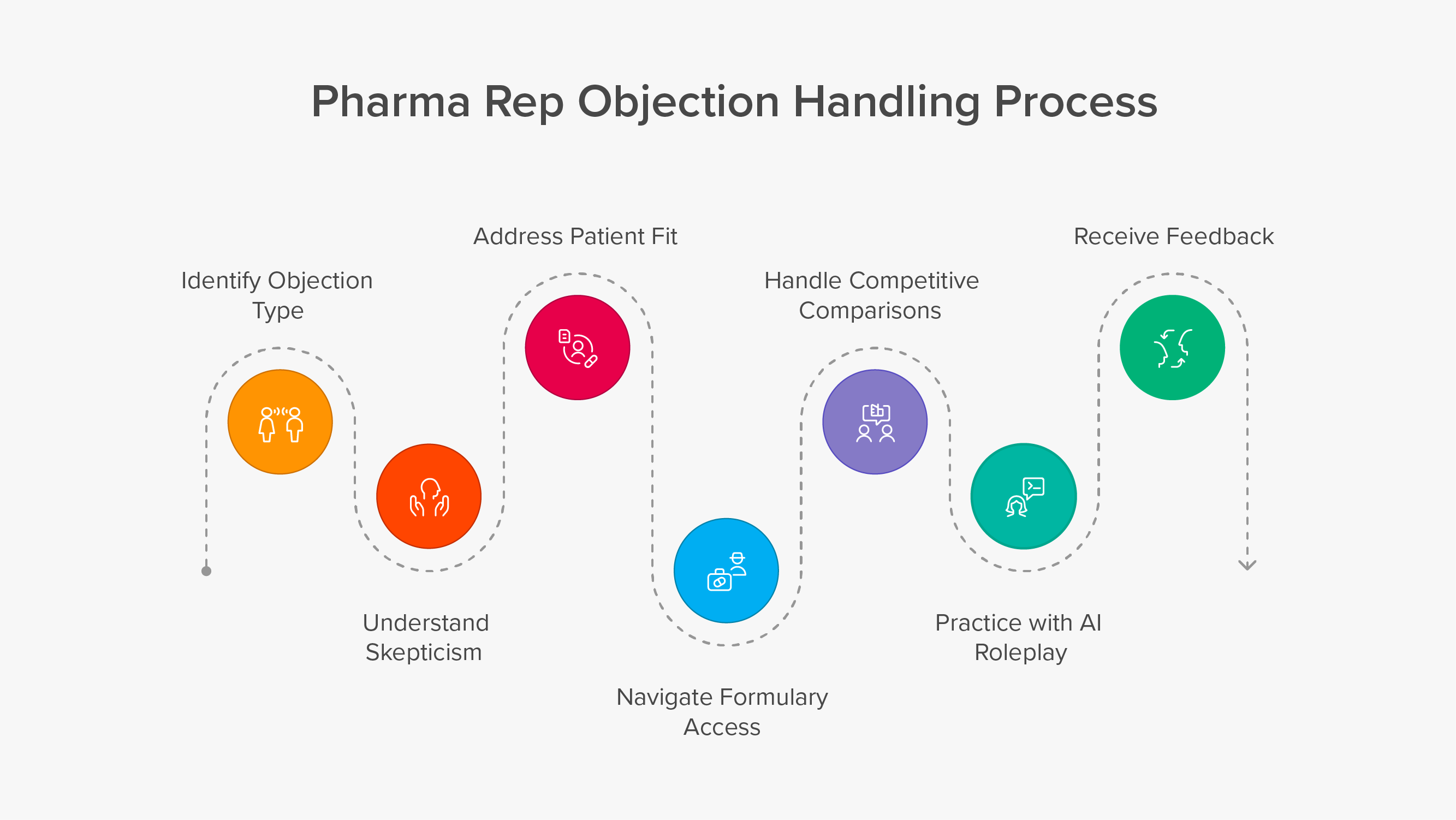
A skeptical endocrinologist challenges the clinical evidence for a GLP-1 therapy, specifically questioning the cardiovascular outcome data and how it compares to a well-established competitor. Your rep practices navigating the head-to-head data conversation with precision and compliance.
An oncologist asks why a newly approved targeted therapy should be prioritized over current standard of care for a specific patient subgroup defined by a biomarker. Your rep practices the biomarker testing rationale and patient selection conversation.
A KOL who has reviewed the therapy's prescribing information asks specific questions about the safety monitoring protocol and what the real-world experience data shows. Your rep practices the evidence-based, empathetic safety conversation.
A GP whose patient experienced a side effect with a therapy in the same class asks whether this therapy carries similar risks. Your rep practices the clinically accurate, empathetic, and compliant response to a prior adverse experience conversation.
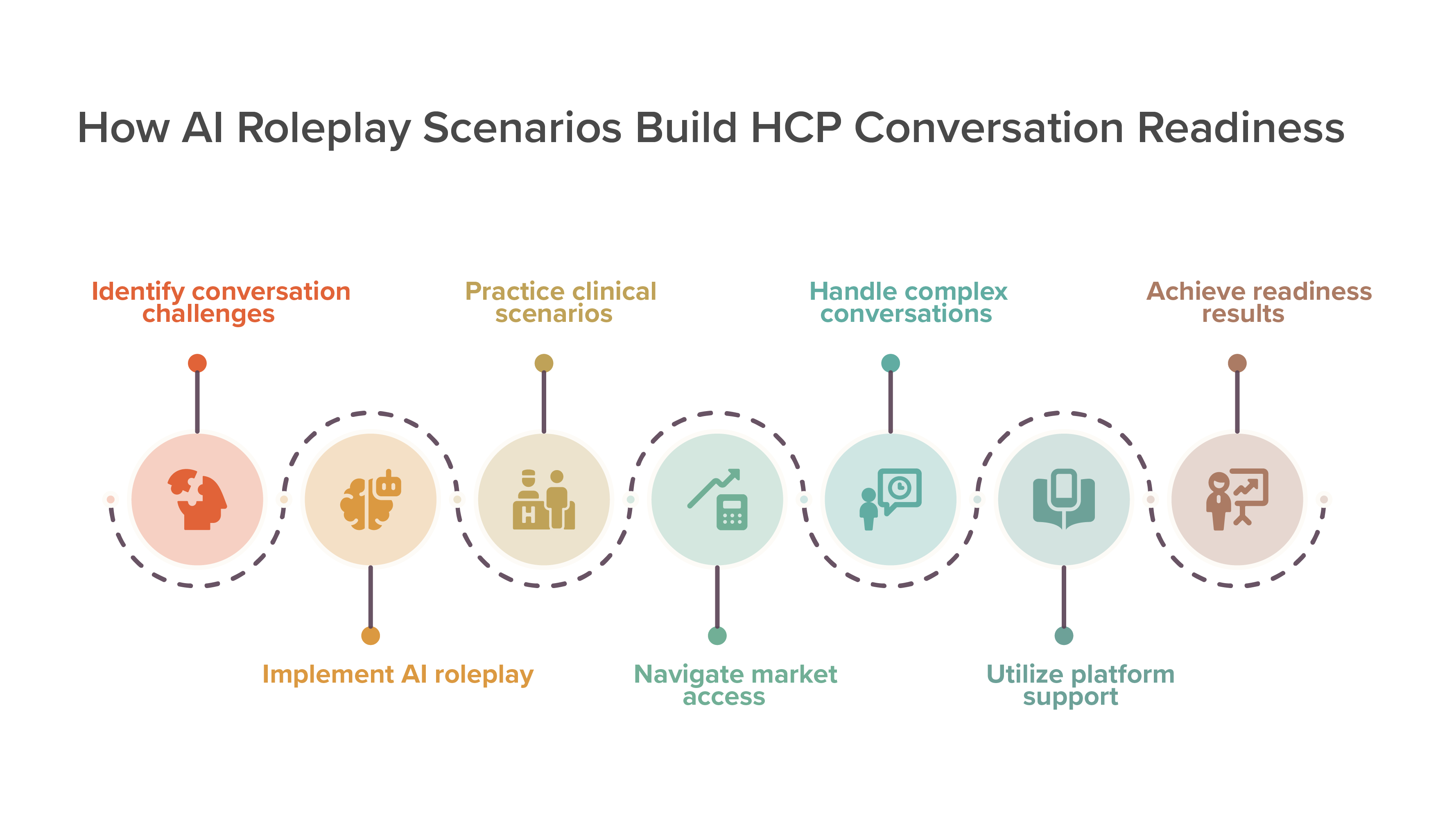
What this reveals: the clinical conversations your reps face rarely follow a script, so their ability to stay accurate and compliant under real questioning is what repeated practice is built to strengthen.
Market Access and Payer Scenarios
These scenarios build the market access fluency increasingly expected from your reps, requiring knowledge of payer dynamics, access support mechanisms, and the economic value narrative:
A managed care pharmacist asks about the PMPM budget impact of adding a specialty therapy to the formulary. Your rep practices the population health and economic value conversation grounded in appropriate evidence.
A specialty pharmacy director asks detailed questions about hub service capabilities, patient enrollment support, and specialty pharmacy coordination protocol for a REMS product. Your rep practices the access support pathway explanation with accuracy.
A hospital pharmacy director asks for a direct comparison of the approved therapy against the current formulary agent on total cost of care, including monitoring requirements. Your rep practices the clinical and economic value narrative.
What this reveals: access conversations sit at the intersection of clinical and financial language, and reps who can move fluidly between the two shorten the path to formulary decisions.
Challenging and Complex Conversation Scenarios
These scenarios build the judgment and adaptability that experienced reps develop through field exposure, accelerating that development through structured practice against the most demanding conversation types:
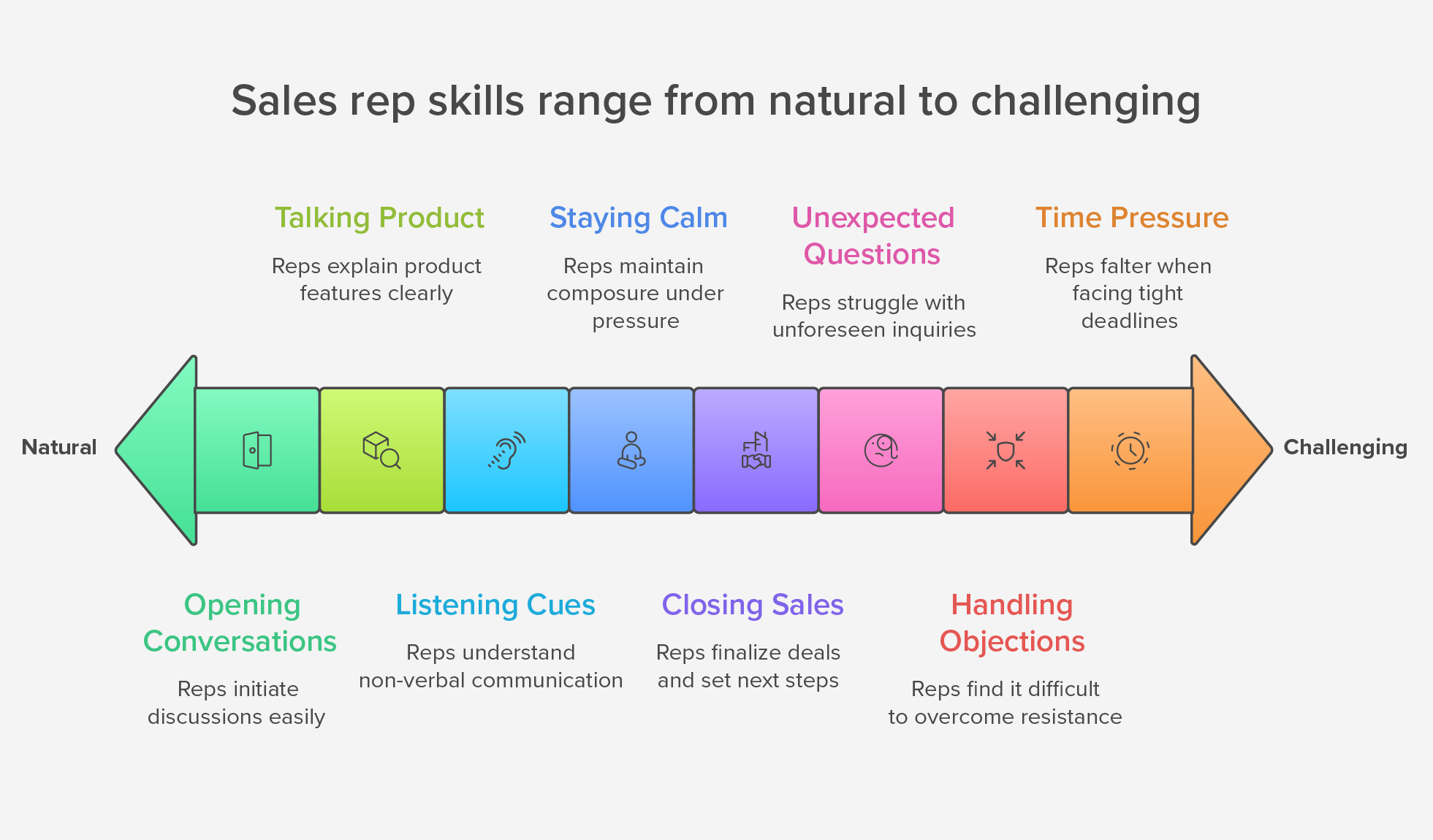
A physician who is generally skeptical of pharmaceutical sales interactions and has limited time. Your rep practices establishing clinical credibility and conversational value within a compressed interaction window.
A P&T committee member who raises a formulary inclusion concern based on a clinical interpretation that reflects an older or incomplete reading of the evidence. Your rep practices the evidence update conversation with appropriate clinical respect and accuracy.
A specialist who has had a negative experience with the company in the past and is not initially receptive. Your rep practices the relationship repair and professional credibility reestablishment conversation.
What this reveals: the hardest conversations in the field are rarely about product knowledge, they are about judgment under pressure, and that is precisely the skill repeated scenario practice is designed to build.
SmartWinnr platform data also shows a 33% improvement in roleplay scores within three practice attempts, reinforcing how quickly structured repetition builds the judgment these scenarios are designed to develop.
How Does an AI Roleplay Platform Support Pharma Teams?
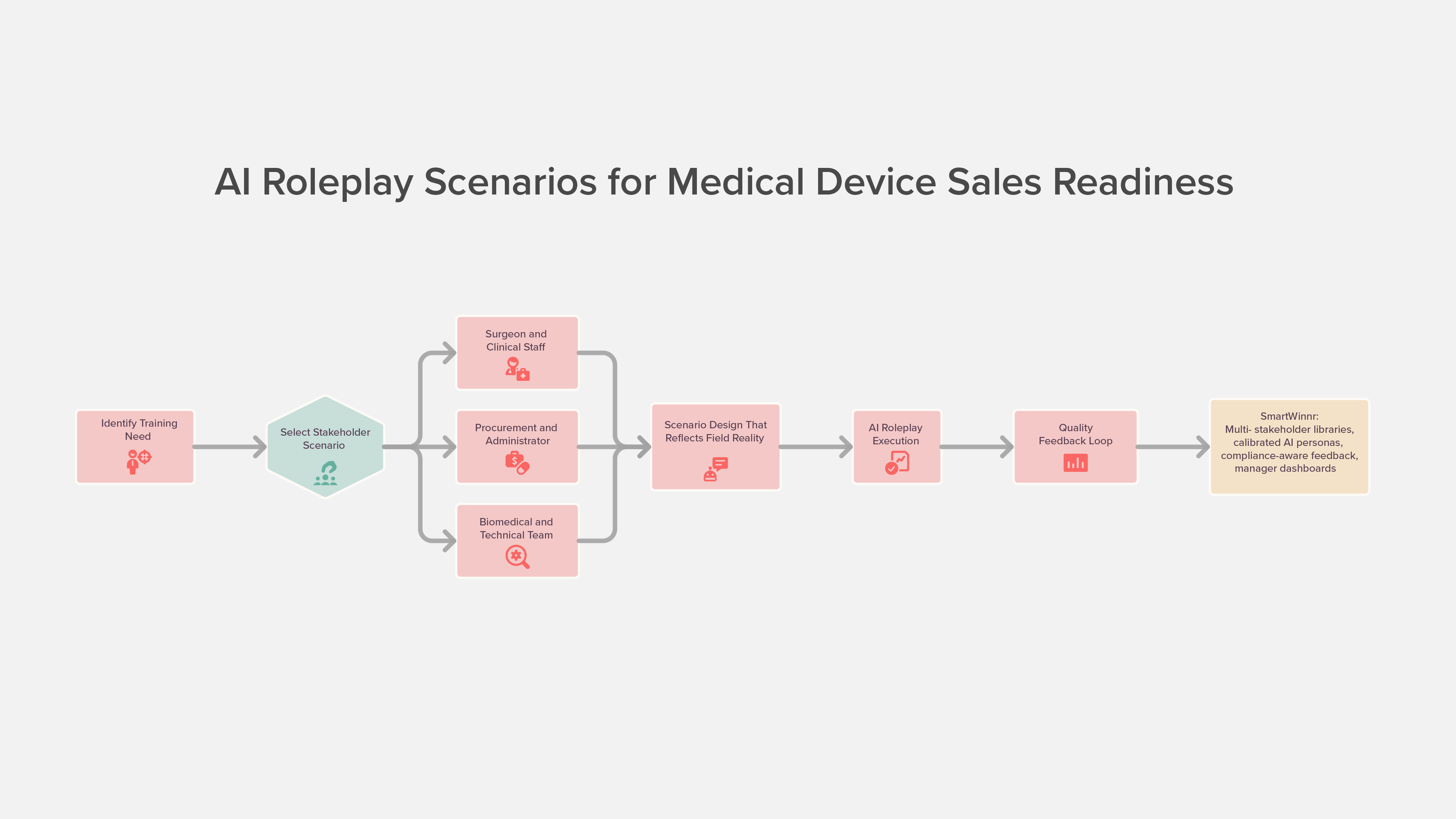
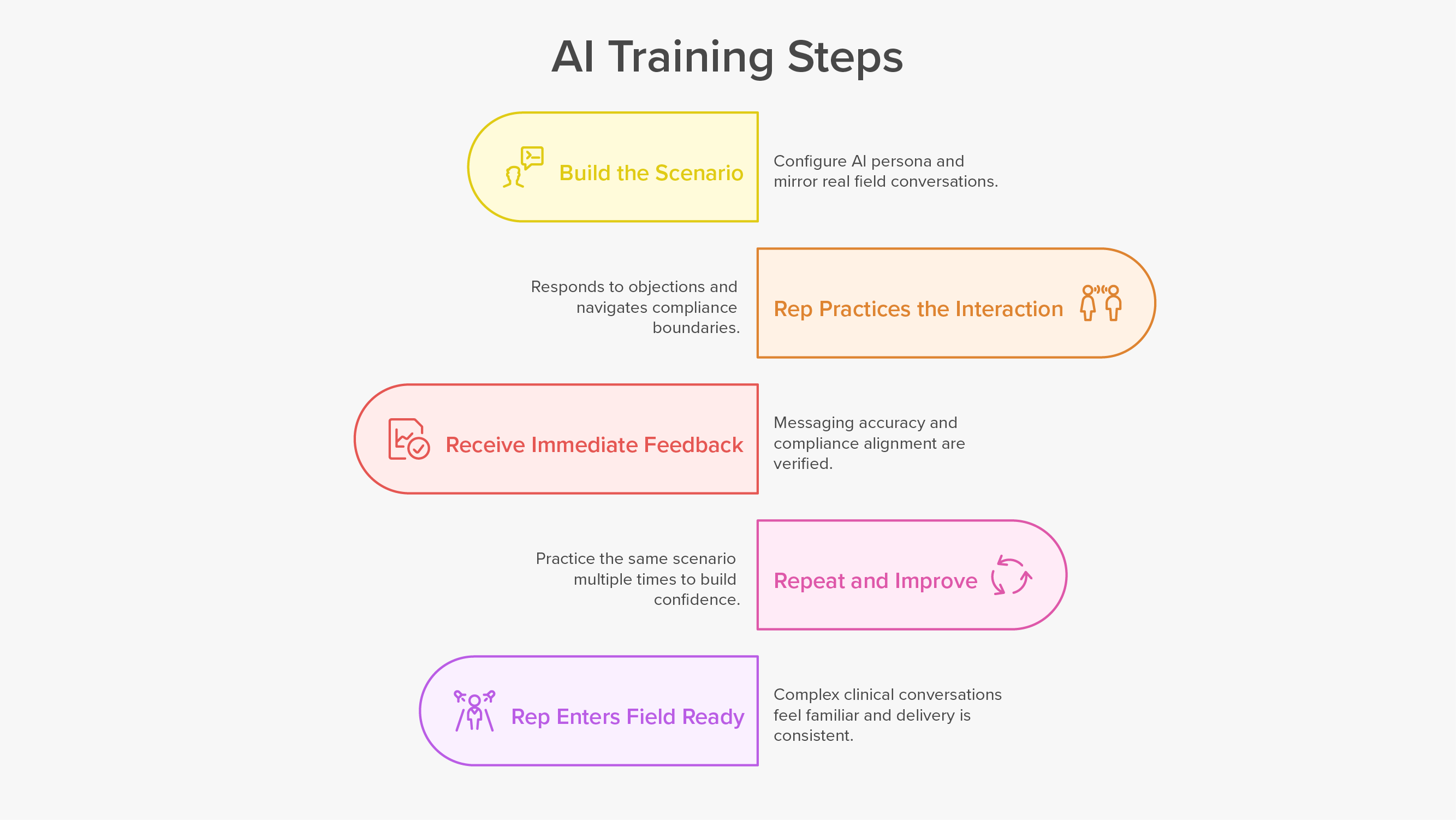
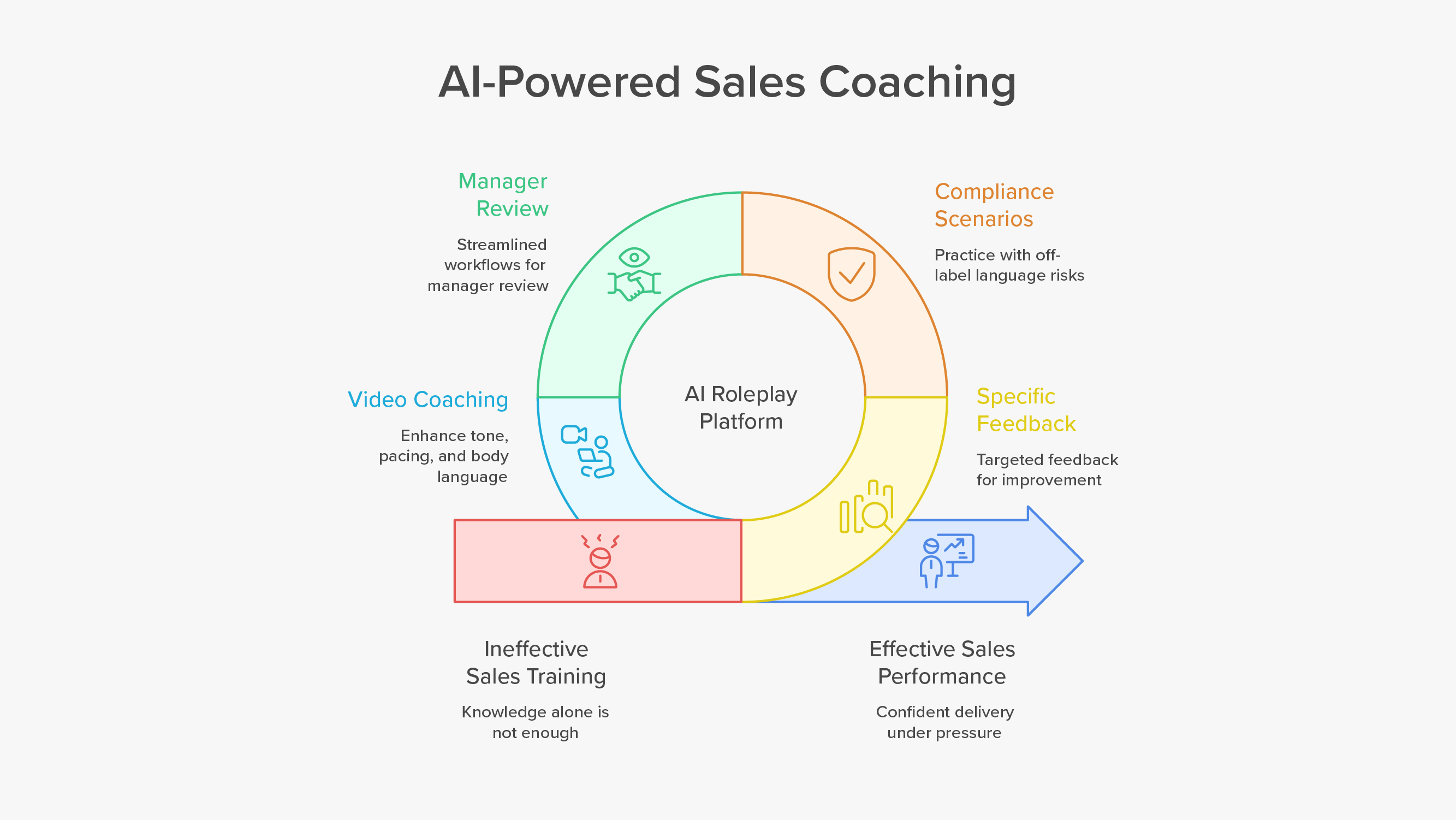
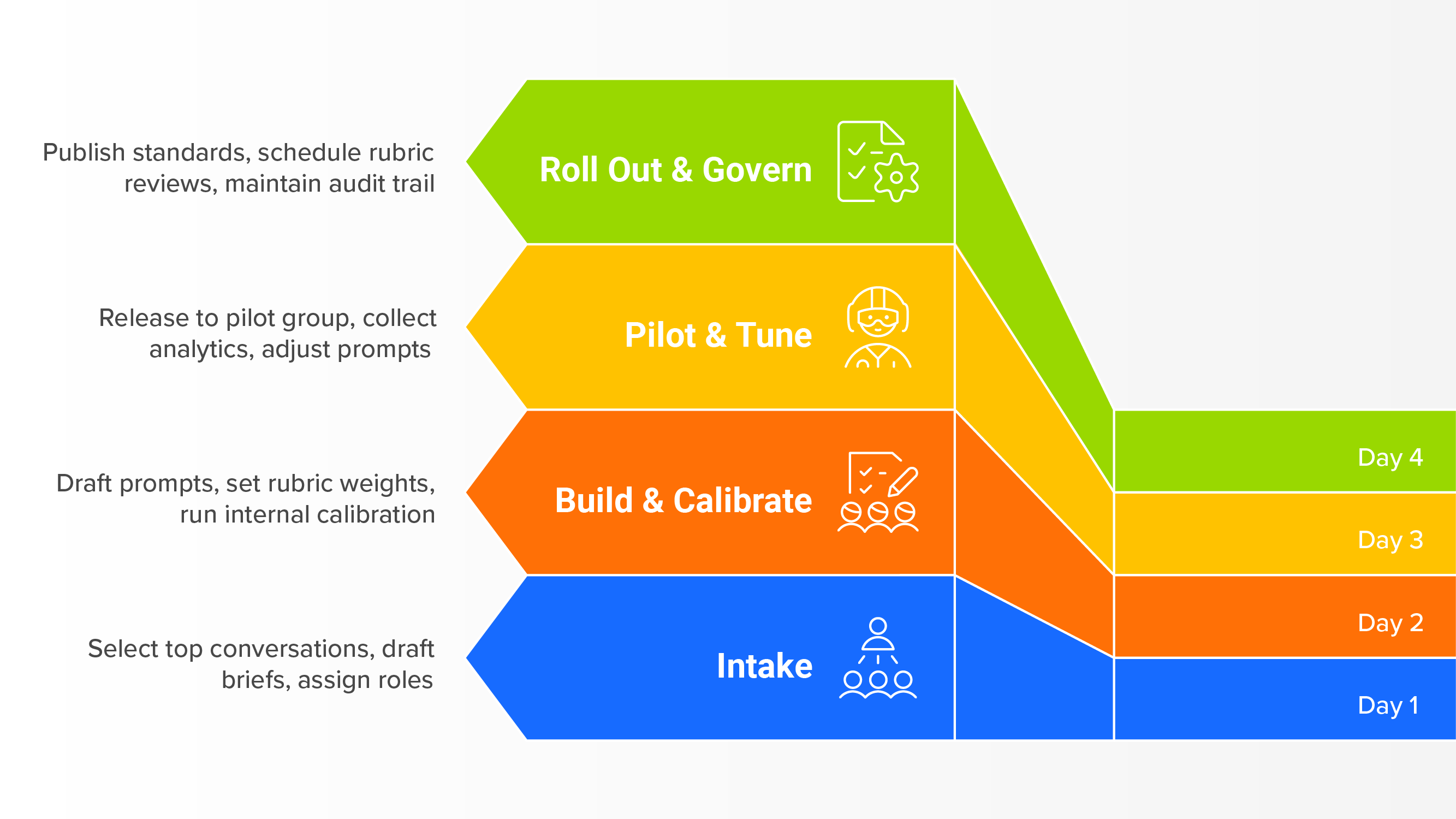
SmartWinnr's AI Roleplay platform gives your organization the ability to build, deploy, and continuously update scenario libraries that reflect the real clinical, competitive, and access conversations your field team encounters. Your reps practice with AI-powered HCP personas that simulate genuine clinical conversation complexity, receive immediate feedback on clinical accuracy and message adherence, and build the practiced fluency that transfers directly to live HCP interactions.
For your pharma commercial and L&D team, the platform provides:
Pharma-specific scenario libraries covering HCP clinical conversations, payer and market access interactions, and the most complex conversation archetypes your field teams encounter.
AI personas configurable by clinical specialty, practice setting, objection pattern, and competitive context, reflecting the genuine diversity of HCP interaction types across therapeutic areas and geographies.
Compliance-aware feedback that evaluates practice responses against approved messaging frameworks and standards such as the PhRMA Code on Interactions with Health Care Professionals, ensuring practice builds the right conversational habits without reinforcing non-compliant patterns.
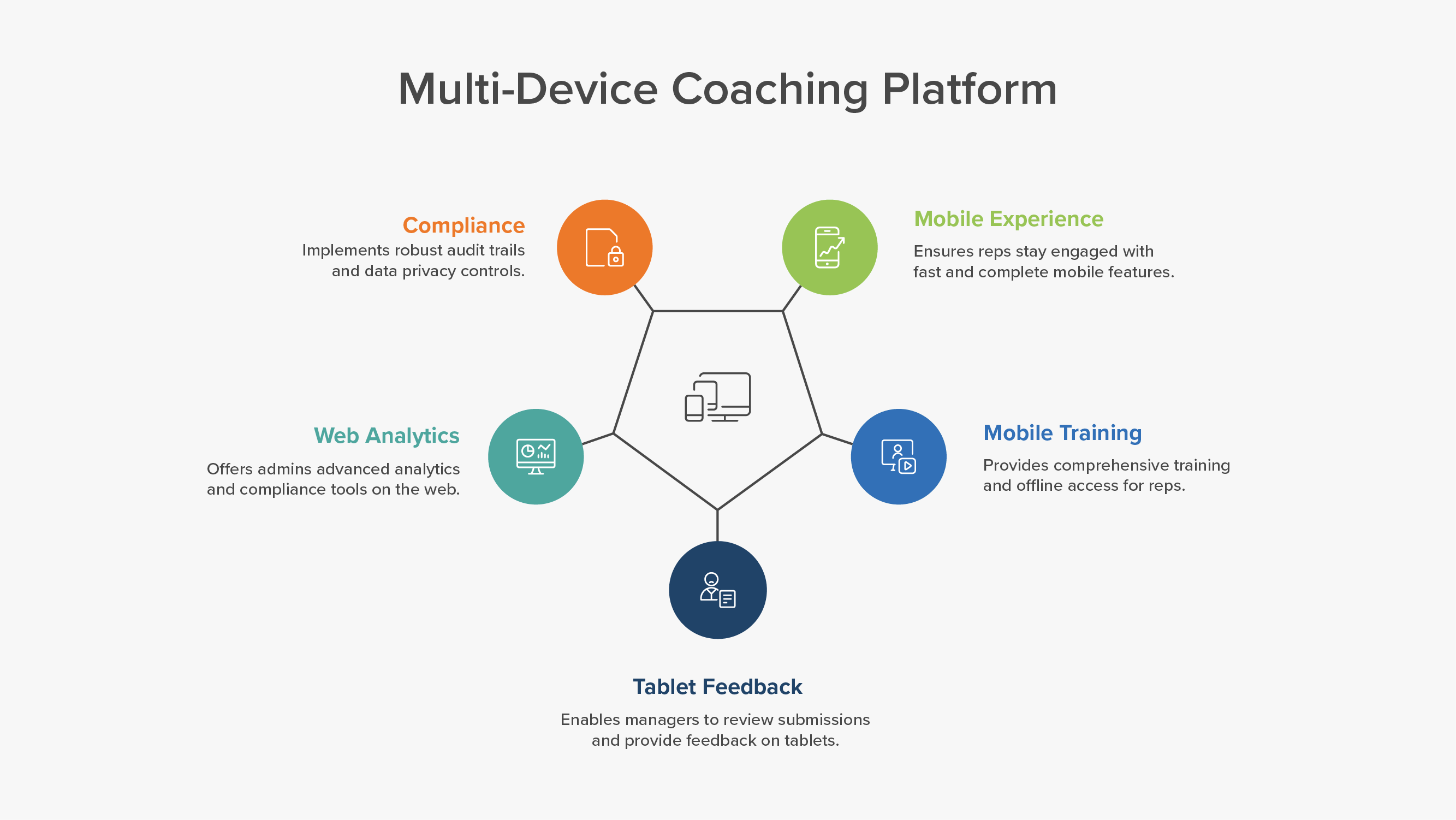
Manager dashboards, an extension of the field coaching workflow, that track which scenarios individual reps are practicing, how frequently, and how performance is improving, giving managers the visibility to target coaching where it is most needed.
Reps who build this level of practice alongside structured, targeted learning paths tend to carry that conversational fluency into the field faster, since the two reinforce each other rather than operating as separate tracks.
Explore how this approach supports pharma sales enablement.
Request a demo to explore how AI roleplay, structured coaching, and compliant skill reinforcement work together to keep your field teams confident and prepared.
Frequently Asked Questions
What are AI roleplay scenarios for pharma sales reps?
AI roleplay scenarios are structured practice conversations where your reps engage with an AI-simulated HCP, payer, or committee persona to rehearse clinical, access, or objection-handling conversations before they happen in the field. Each session is scored for message adherence, clinical accuracy, and conversation quality. This gives reps repeatable practice and gives managers objective visibility into readiness.
How is AI roleplay different from manager-led roleplay training?
Manager-led roleplay depends on manager time, geographic distribution, and the consistency of feedback across different managers and regions. AI roleplay removes those constraints by giving every rep access to the same quality of scenario practice regardless of location or manager availability. The two approaches are complementary, since manager coaching benefits from the readiness data AI roleplay practice generates.
What scenario types should pharma reps practice most?
Reps benefit from practicing across three categories: HCP clinical conversations that test scientific credibility, market access and payer conversations that require economic and clinical fluency together, and challenging or complex conversations that test judgment under pressure. Most field roles encounter all three categories within a single account, so practicing across all of them matters more than mastering one in isolation.
How quickly can new roleplay scenarios be deployed after a competitive or formulary change?
Scenario libraries can be updated within days of a competitive development, formulary decision, or new clinical evidence publication. This keeps practice content aligned with the current field environment rather than waiting for the next scheduled training event to address a market change.
How do managers track rep readiness from AI roleplay practice?
Manager dashboards show which scenarios individual reps are practicing, how frequently, and how their performance is trending over time. This turns manager coaching from an intuition-based process into one grounded in specific, observable practice data, letting managers target coaching conversations where they matter most.
Disclaimer: This content reflects industry practices and does not constitute medical, legal, or regulatory advice.
Last Updated: